US Section 232 2.0: What Steel-Refining Material Buyers Need to Know
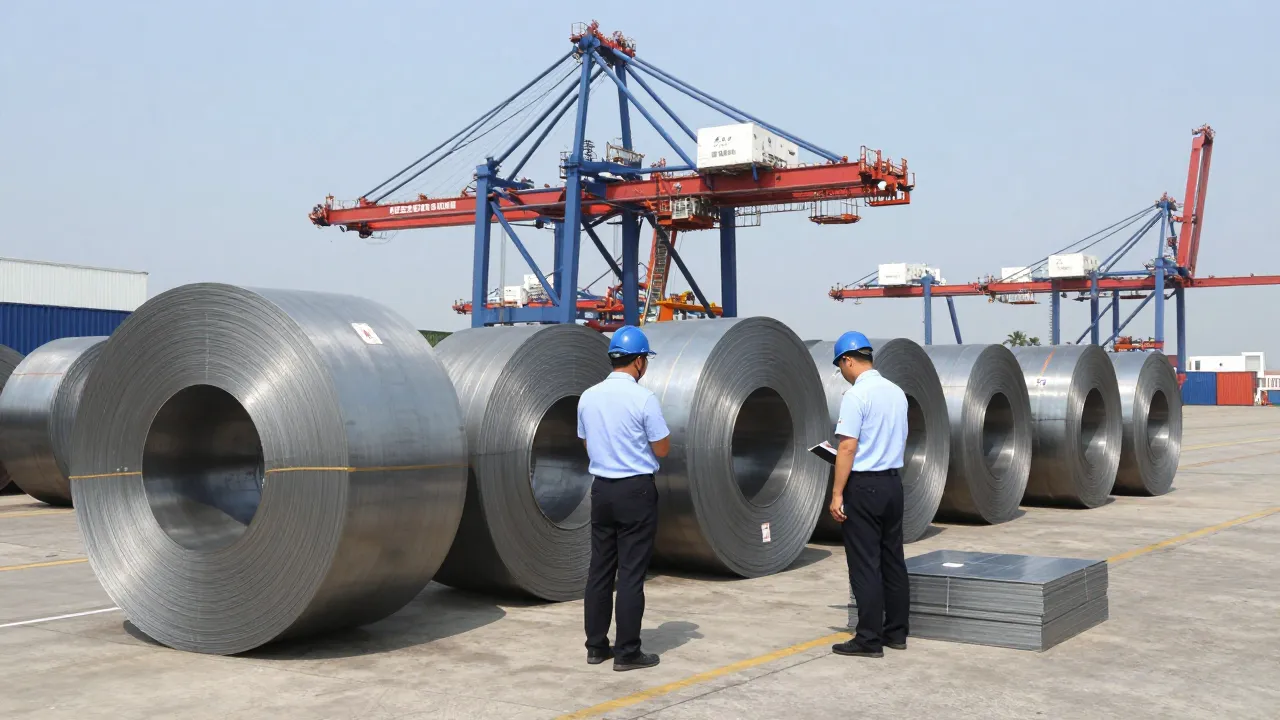
The April 2026 overhaul of the US Section 232 trade measures — widely referred to as Section 232 2.0 — changed the compliance picture for anyone importing steel-refining materials into the United States. The headline change is a duty of 50% of the full value of imported primary steel and aluminum products, a sharp escalation from the earlier quota-and-tariff regime that exempted certain volumes. For buyers whose imported steel is subject to the measure, the duty now lands on the full value of the goods rather than on a portion above a quota threshold, which rewrites the landed-cost math for every heat.
The mechanism that most directly affects steel-refining material buyers is melt-and-pour traceability. Under Section 232 2.0, origin is no longer determined by where a product was last substantially transformed; it is determined by where the steel was melted and poured. This closes the origin-washing loophole whereby a product could be melted in a high-duty country, processed in a third country, and shipped to the United States as if it originated in the processing location. The consequence for the supply chain is that every import must be backed by a documented melt-and-pour trail, and products made from steel whose melt-and-pour origin falls in a high-duty jurisdiction face the full 50% duty regardless of where they were finished.
The new regime is administered through HTS annexes that enumerate the covered products. Buyers should confirm in advance whether their specific steel-refining materials — and any steel-bearing components within them — fall within the annex coverage, because the annex structure is not uniform across all product families. Ferroalloys and flux materials such as ferrochrome, fluorspar, and silicon carbide are generally treated as inputs rather than as primary steel, but the classification of alloys that carry significant metallic content needs to be checked line by line against the current HTS annexes before shipment, not after arrival.
The import-share shift is the third structural change. With Canada, Mexico, and the United Kingdom now treated under different terms than other origins, the relative cost competitiveness of supply sources has moved. Buyers who previously relied on volume-based exemptions from these countries must reassess: the duty treatment of a given origin now depends on the melt-and-pour origin of the underlying material, not on the country of last processing. This has already begun to rewire procurement flows, with US buyers re-evaluating supply chains that once routed steel-refining inputs through intermediate countries.
For buyers of steel-refining materials, the practical compliance checklist has four elements. First, verify the current HTS classification and annex coverage for each imported item. Second, require melt-and-pour origin documentation from suppliers and keep it aligned with the commercial invoice. Third, model landed cost using the full-value 50% duty rate wherever the annex applies, and stress-test it against origin shifts. Fourth, review supplier countries of origin at least quarterly, because import-share treatment can change as US trade policy adjusts. These steps protect against both surprise duty assessments and the customs penalties that follow misdeclared origin.
None of this is unique to steelmaking inputs, but the complexity is higher for them because the products sit between raw minerals and finished steel. Working with a counterparty that documents origin and chemistry consistently reduces the risk of a customs bill arriving months after the material was consumed. Platforms such as steelrefiningmaterials.com, operated by KHAKI TRADING CO., LIMITED, offer 32 product categories in 17 languages to buyers in more than 80 countries, which can make it easier to compare suppliers who maintain the traceability paperwork this regime now demands.