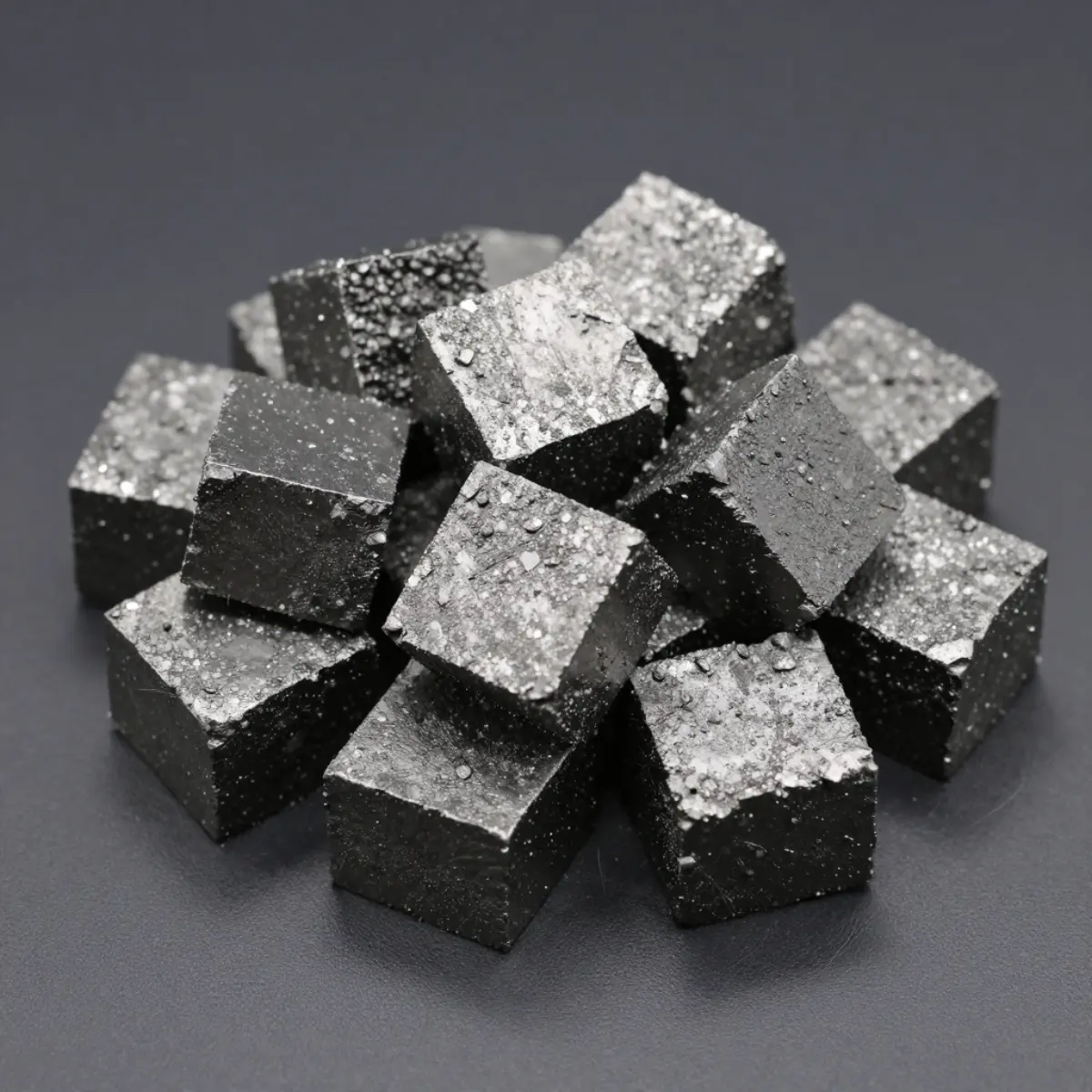
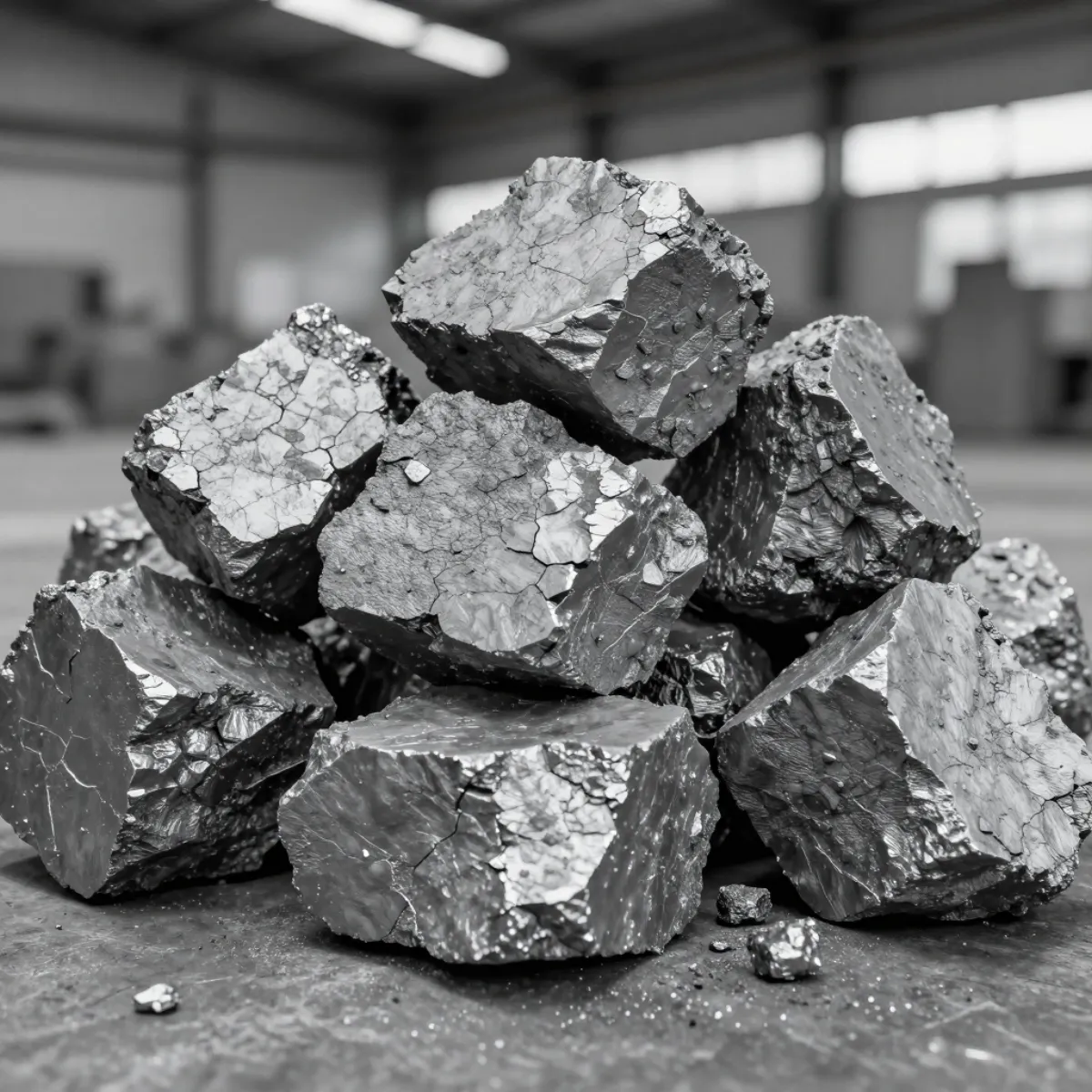
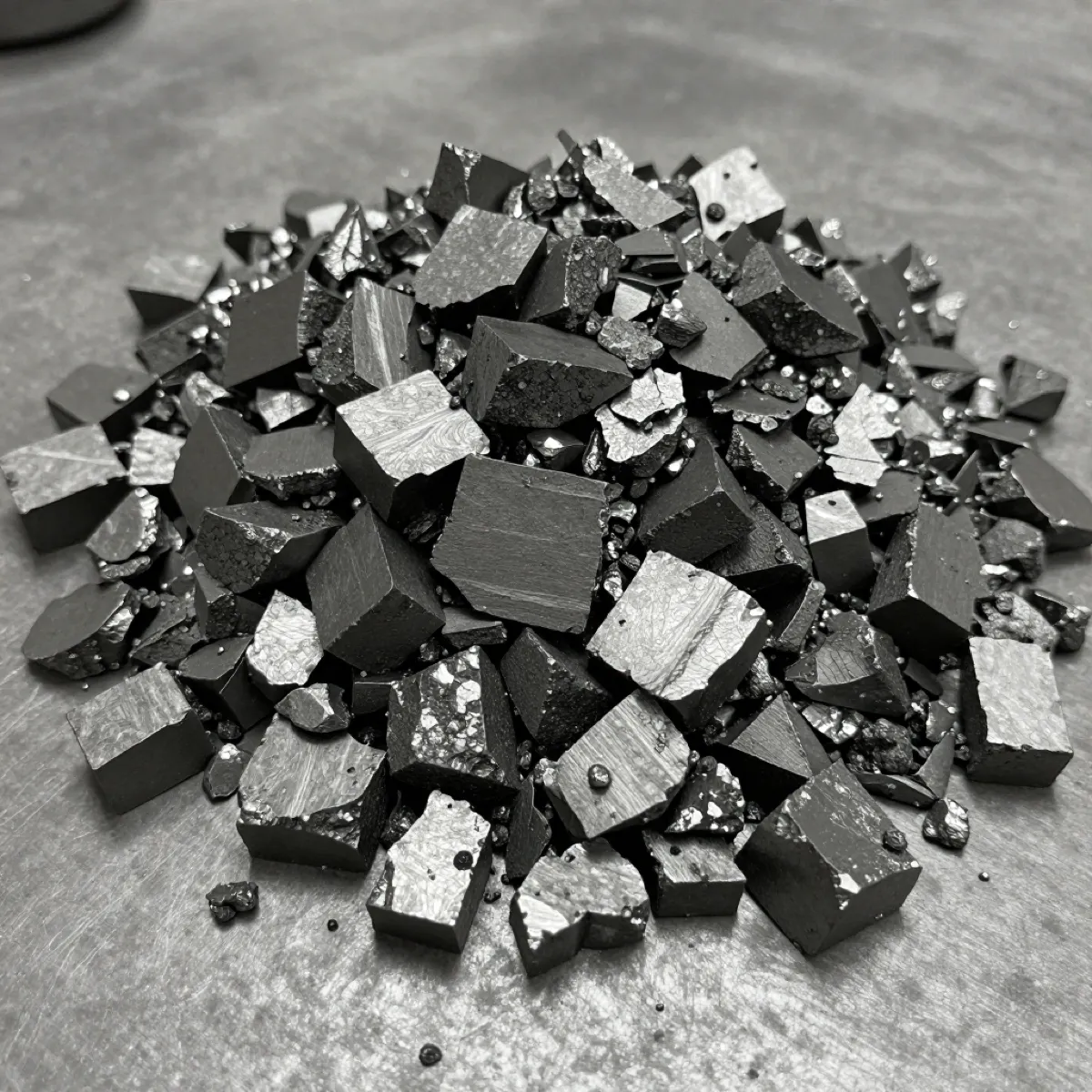
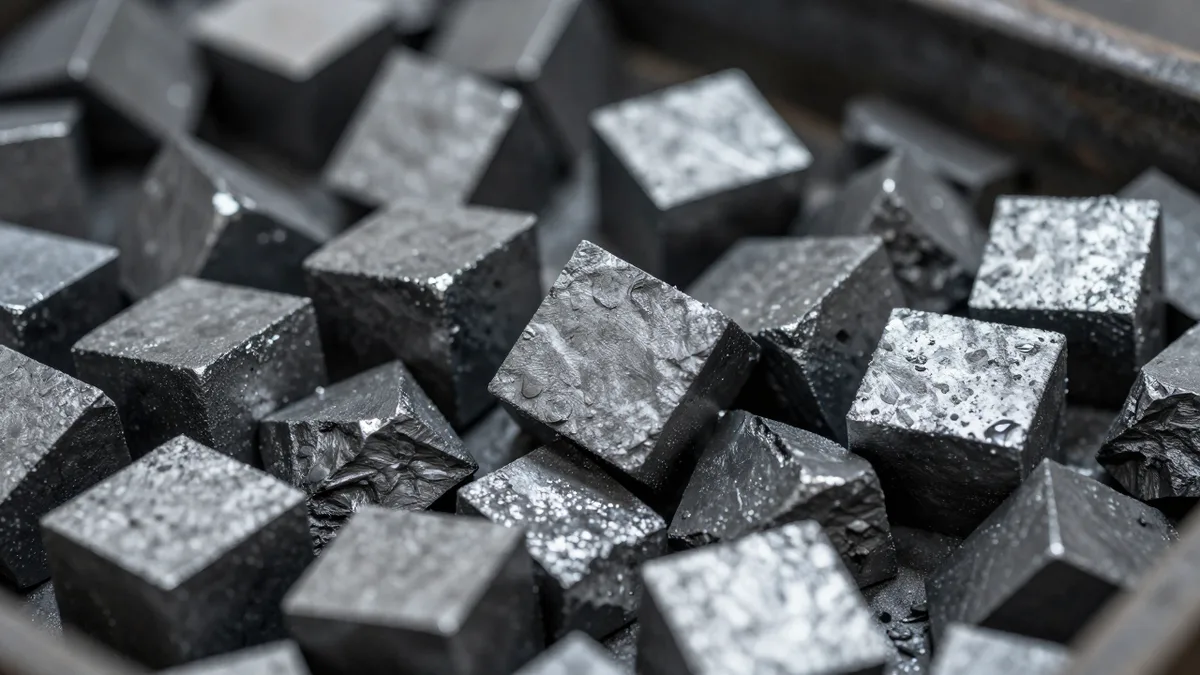
Vanadium Nitrogen Alloy for Tool Steel: Precipitation Strengthening Explained
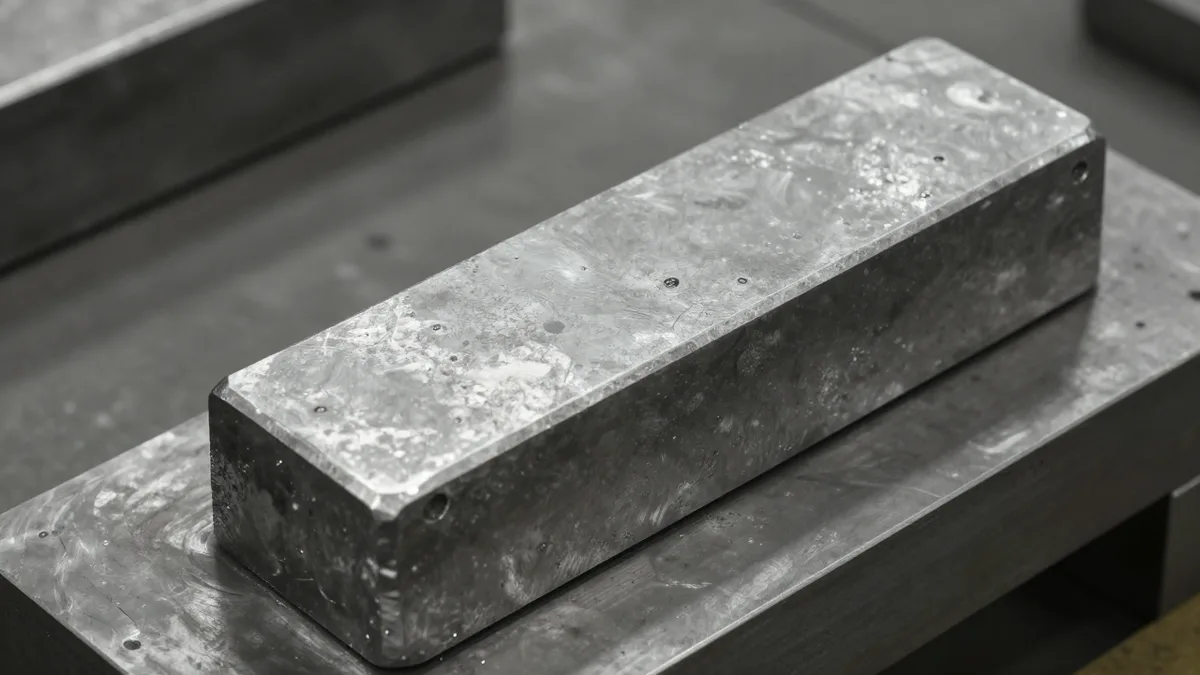
Vanadium is a classic grain-refiner and strength-builder in steel, and much of its value comes from a specific mechanism: the formation of fine vanadium nitride (VN) precipitates. Those tiny, hard particles pin grain boundaries during heat treatment and resist coarsening at high temperature, which is exactly why vanadium-bearing grades are used in tool steels, high-strength low-alloy lines, and other products that must stay strong under load and heat.
The subtlety is that precipitation strengthening depends on getting vanadium and nitrogen into the melt in the right relationship. If there is vanadium but not enough nitrogen, not all of it precipitates as VN; if the nitrogen is off, the precipitates form unevenly. Vanadium nitrogen alloy addresses this by delivering both elements in a single, pre-balanced charge, so the melt shop adds the pair together and the VN that forms is more consistent from heat to heat.
That consistency is the practical payoff. On a tool-steel or HSLA line, predictable precipitation translates into predictable hardness, toughness, and grain size — the properties that determine whether a batch of product passes. Charging vanadium nitrogen alloy against a documented nitrogen target, rather than bolting nitrogen onto a plain ferrovanadium charge, gives the melt shop a cleaner lever on the final microstructure.
It is worth distinguishing the two vanadium forms. Ferrovanadium is a higher-manganese, higher-value-free-vanadium charge that many lines use for its solid-solution strengthening and grain refinement. Vanadium nitrogen alloy is chosen when the precipitation route is the one doing the work — when the grade’s strength comes from VN more than from free vanadium in solution. Many products benefit from a blend of the two, and the blend ratio is itself a charge decision.
For buyers, the guidance is to specify the vanadium form by the strengthening mechanism the grade relies on. Where vanadium nitride precipitation carries the properties, charge vanadium nitrogen alloy against a measured nitrogen target and hold the chemistry documented on each lot. That is what turns vanadium from an element on a certificate into a microstructure in the finished product.