Applications
Microalloying of HSLA steels where vanadium contributes grain refinement and precipitation strengthening to reach yield strengths of 350–690 MPaStrengthening of structural and rebar steels, raising strength with minimal effect on weldability and formabilityAlloying of tool and spring steels where vanadium carbides control austenite grain growth and improve wear resistanceFerroalloy and master-alloy production for specialized steel and casting applications requiring controlled vanadium additions
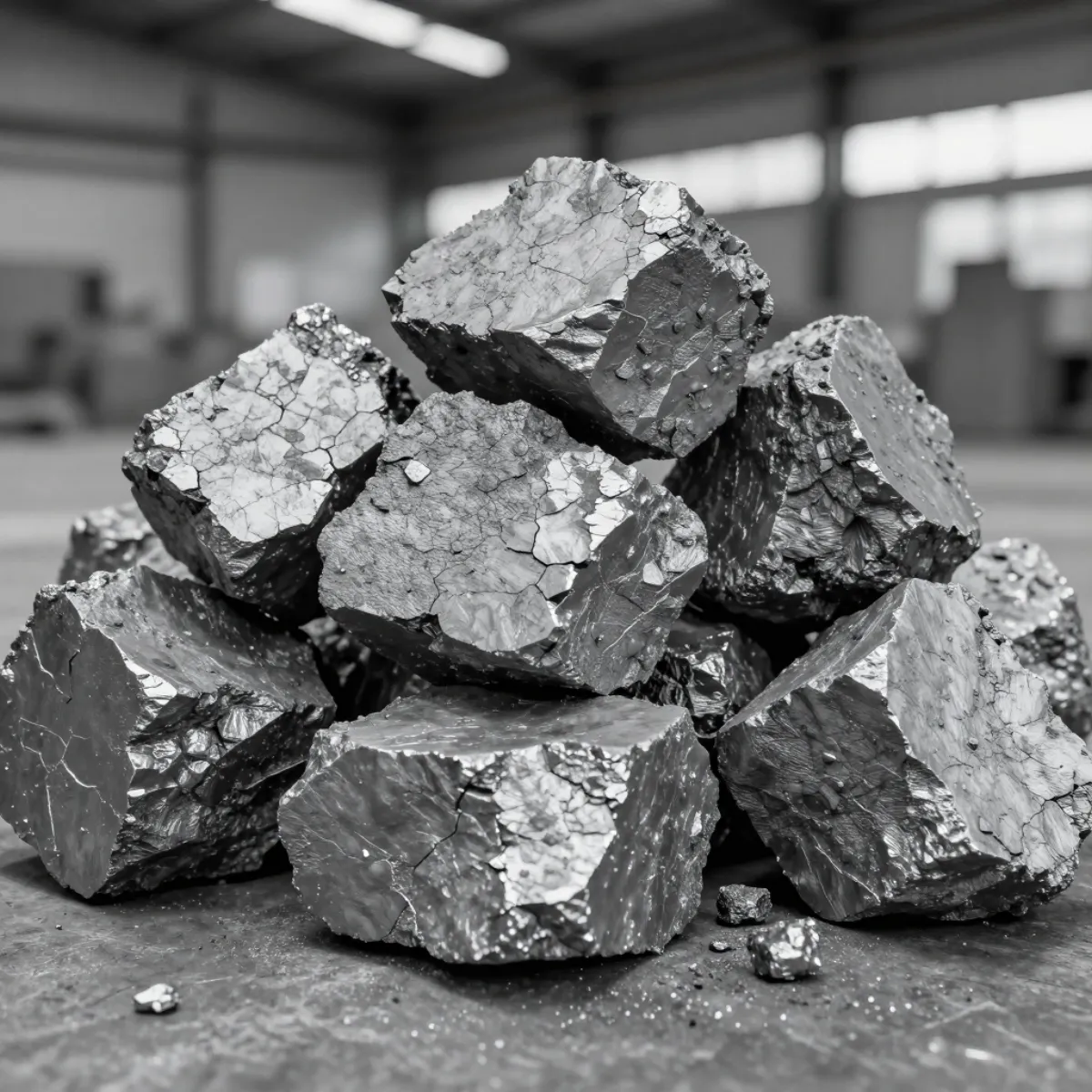
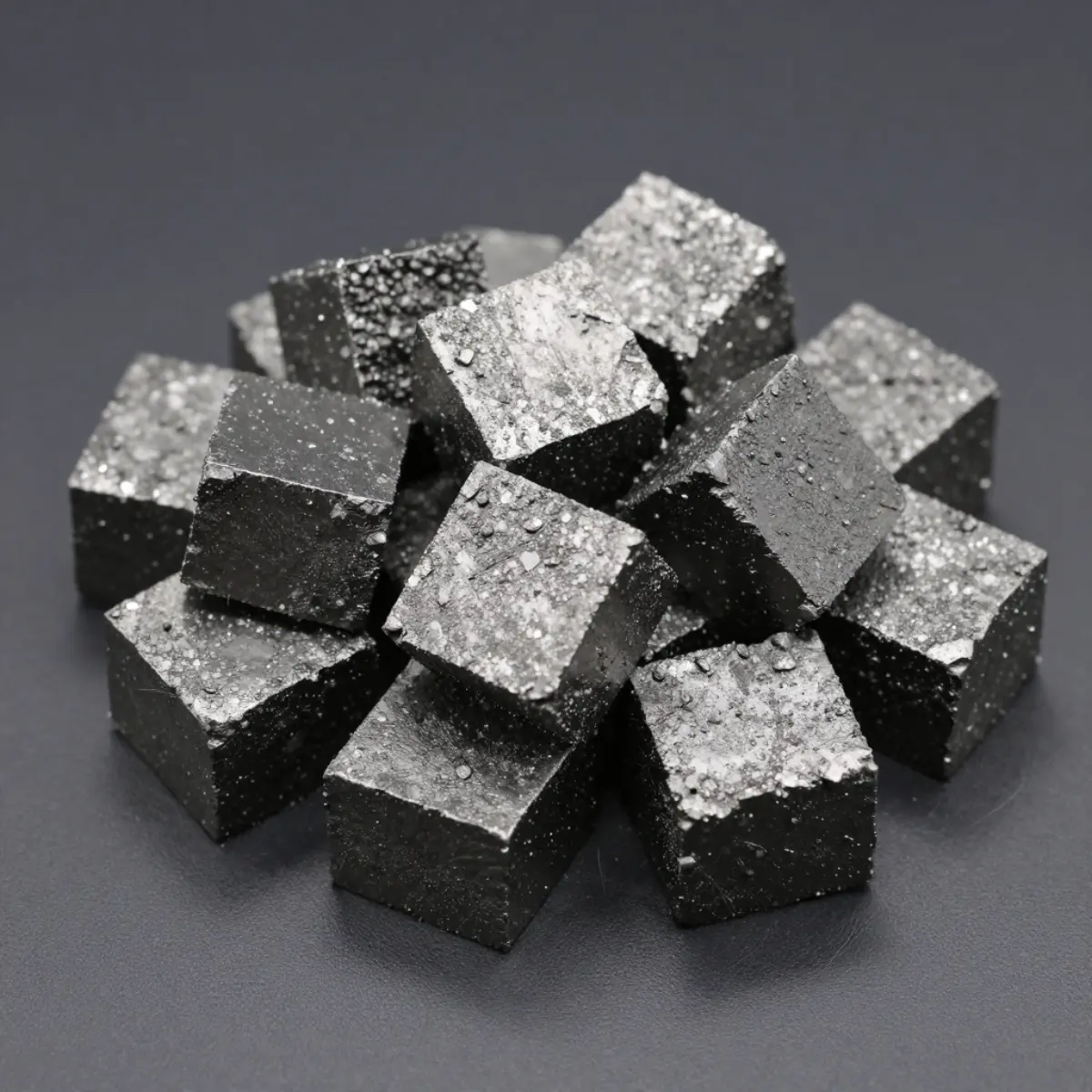
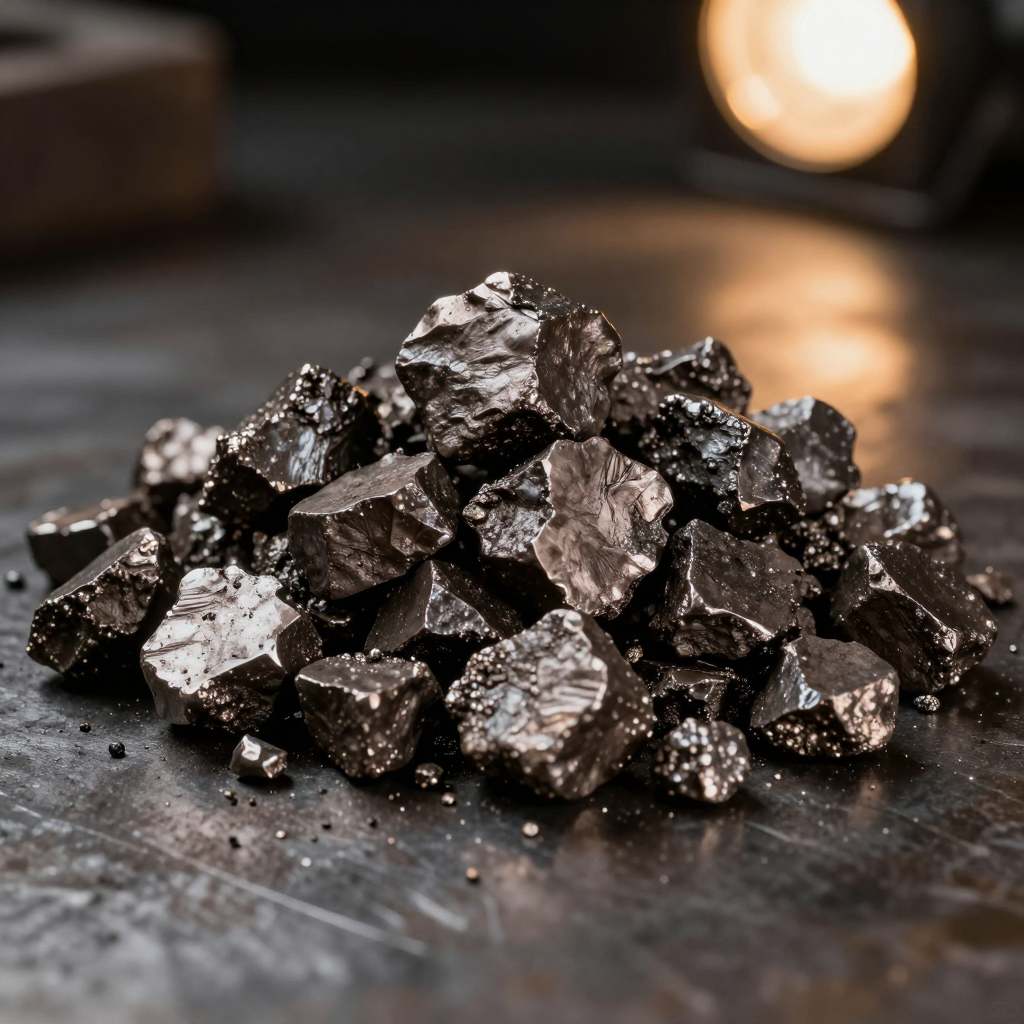
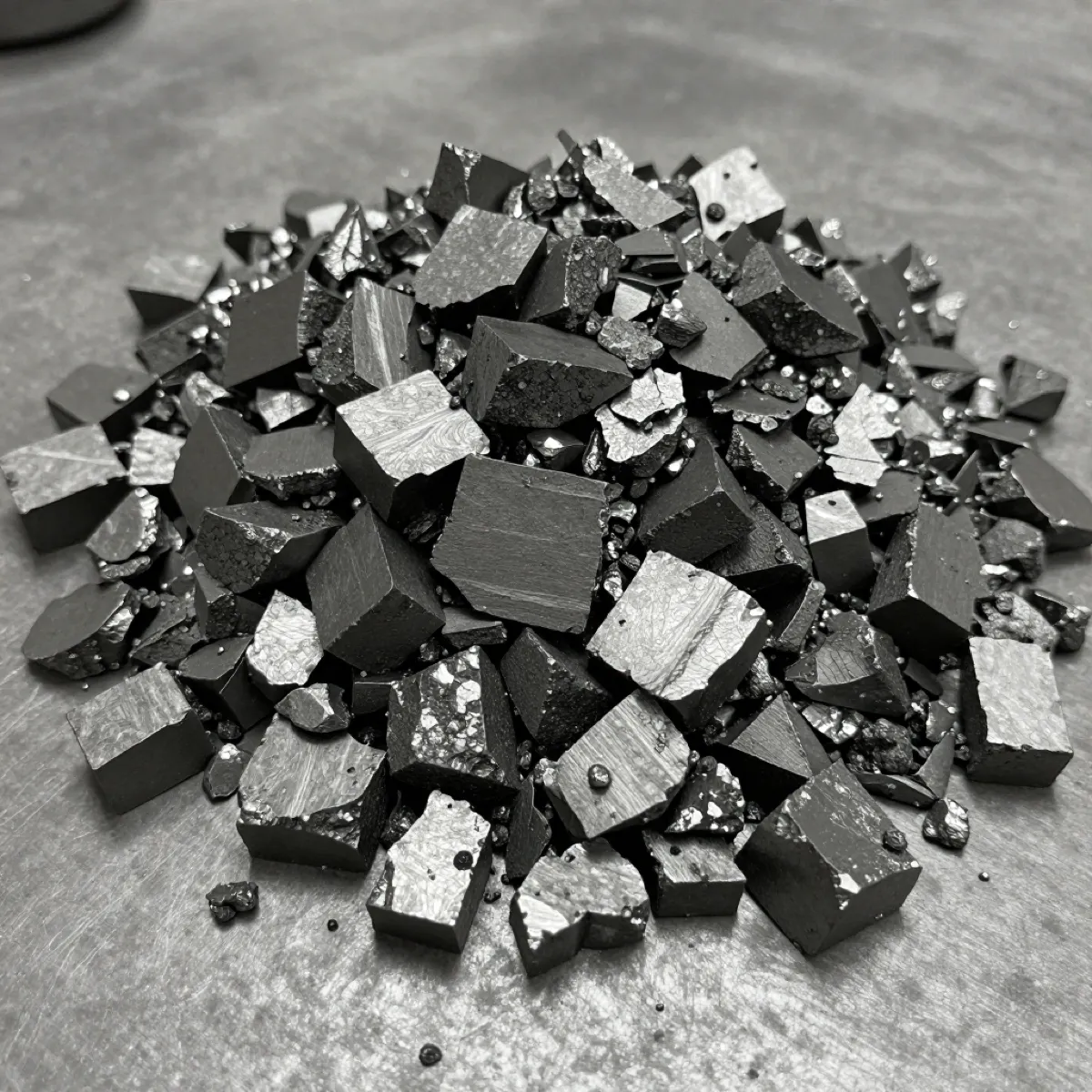
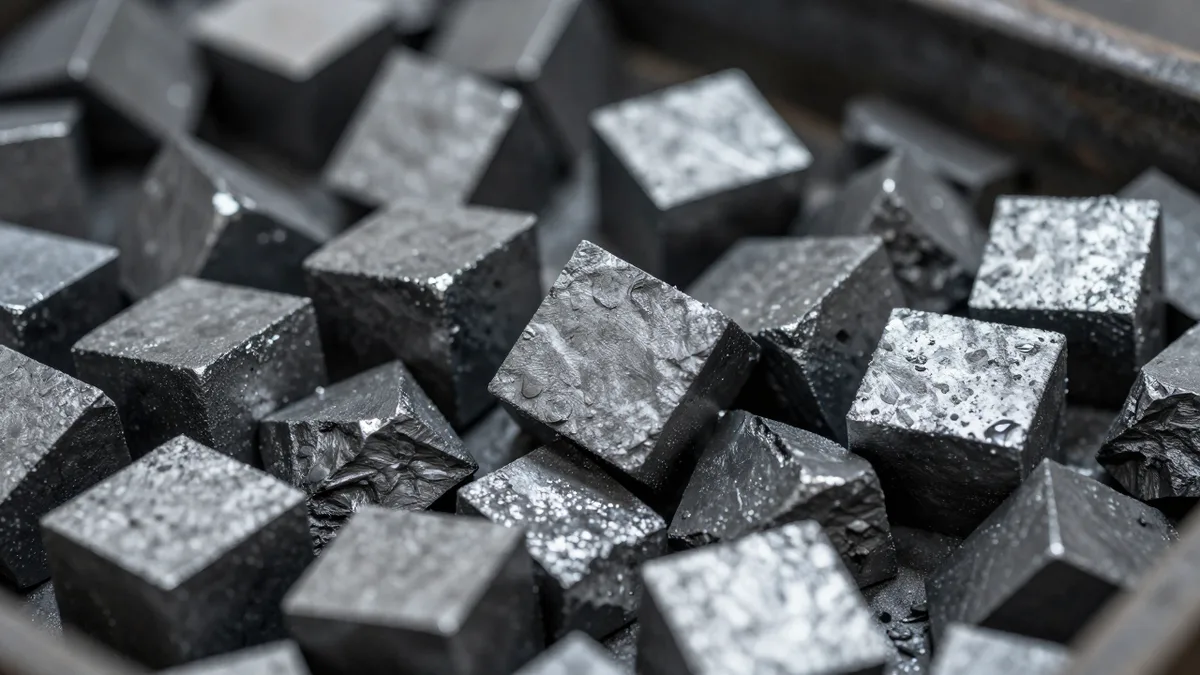
Ferrovanadium (FeV) is the standard carrier for vanadium microalloying in steel production. Vanadium is one of the most versatile microalloying elements because it strengthens steel by two complementary mechanisms: grain refinement and precipitation strengthening. During solidification and thermomechanical processing, fine vanadium carbonitride particles — V(C,N) — precipitate in the ferrite matrix and pin austenite grain boundaries, refining the final microstructure while providing substantial dispersion strengthening. This combination is why vanadium is added at levels of only 0.02–0.15% in HSLA steels to raise yield strength to the 350–690 MPa range with little penalty to weldability or toughness. FeV 80, containing 75–80% vanadium, is the most widely traded grade and delivers the highest alloying value per kilogram, with typical vanadium recovery of 90–98% in ladle and furnace additions depending on slag conditions and addition timing.
Ferrovanadium is produced by aluminothermic reduction of vanadium pentoxide and is used primarily as a ladle addition after deoxidation. Because vanadium is a strong carbide and nitride former, it must be added to a well-deoxidized bath to avoid losses through oxidation and to ensure the carbonitrides form in the desired fine dispersion rather than as coarse precipitates. In HSLA and rebar production, FeV is typically added to the ladle during tapping or through the alloy hopper of the ladle furnace, with addition rates of 0.5–3 kg per ton of steel depending on the target vanadium content. For tool and spring steels, higher vanadium additions develop hard vanadium carbides that resist wear and control grain growth during austenitizing. The 2026 vanadium price outlook is slightly firmer than recent years, reflecting tighter supply from primary vanadium producers and steady demand from rebar and high-strength applications, which reinforces the value of reliable sourcing and consistent alloy quality.
Quality parameters matter because vanadium is an expensive alloying element and impurity contamination is disproportionately costly. High vanadium content (75–80%) minimizes the amount of ferroalloy required per heat, while low phosphorus and sulfur (≤0.05%) keep tramp elements out of clean steel and welding-critical grades. Carbon and silicon must also be controlled: silicon content is kept below 1.5% so the ferroalloy does not materially disturb the deoxidation balance, and carbon is kept low so that HSLA and low-carbon grades are not pushed off their carbon targets. Aluminum is limited to avoid forming excess alumina-based inclusions that degrade steel cleanliness. Material is supplied in lump form for furnace additions and in crushed, sized fractions for ladle and injection use, with each shipment verified by chemical assay to confirm vanadium, carbon, silicon, aluminum, phosphorus, and sulfur against the certificate of analysis.
As a microalloying workhorse, ferrovanadium pairs naturally with other additions in the alloying program. In HSLA practice, vanadium is frequently combined with nitrogen — often delivered as vanadium-nitrogen alloy — to maximize the strengthening effect of V(C,N) precipitation, and with niobium or titanium where multi-microalloy designs are specified. Manganese and molybdenum, supplied as ferromanganese and ferromolybdenum, work alongside vanadium to control hardenability and final strength. KHAKI TRADING CO., LIMITED supplies ferrovanadium within a portfolio of 32 product categories serving steelmakers in over 80 countries, with certificates of analysis and technical support available in 17 languages to support precise alloying programs.
Need pricing or technical confirmation?
Send your application, grade, size, and quantity requirements by email for a faster response.
Request a Quote