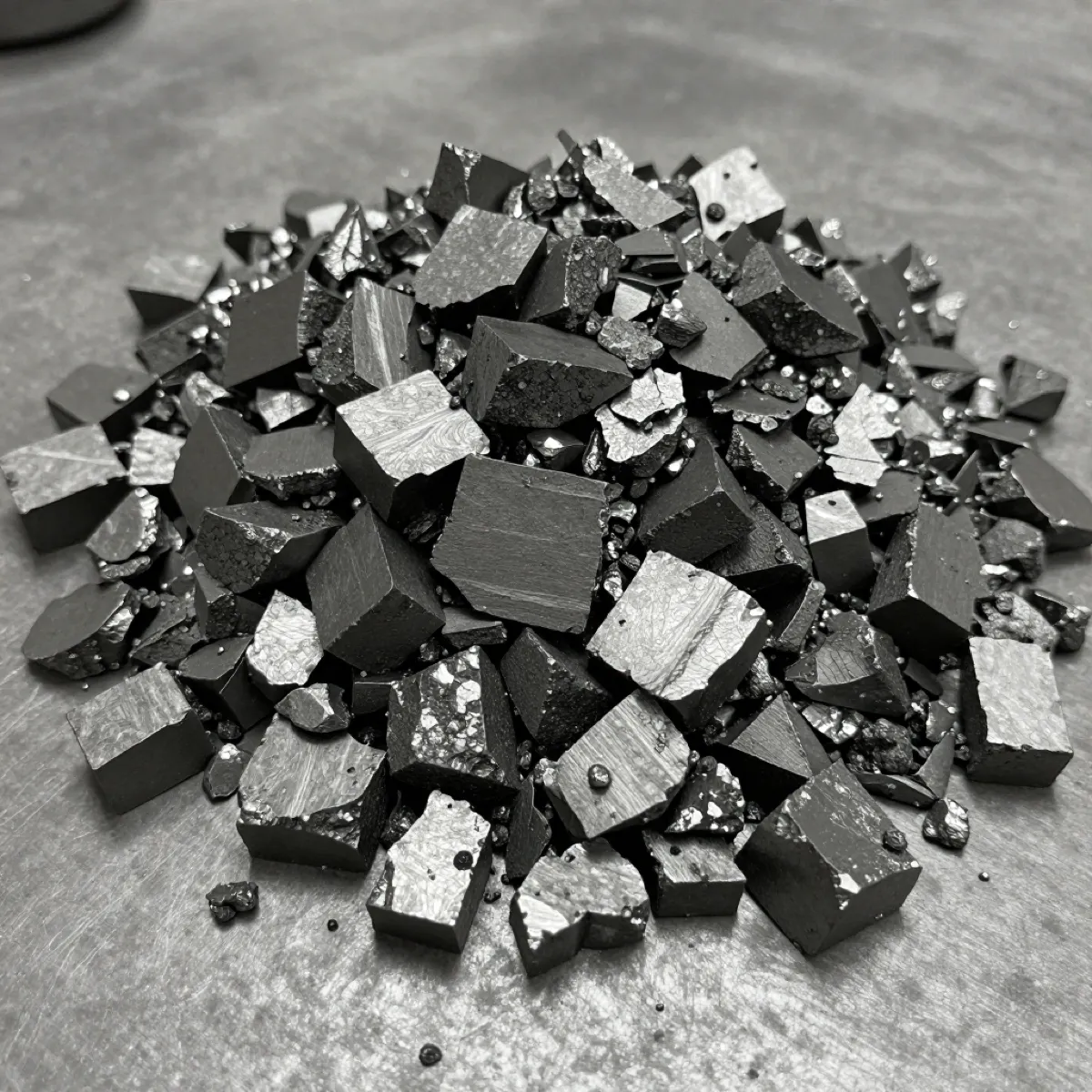
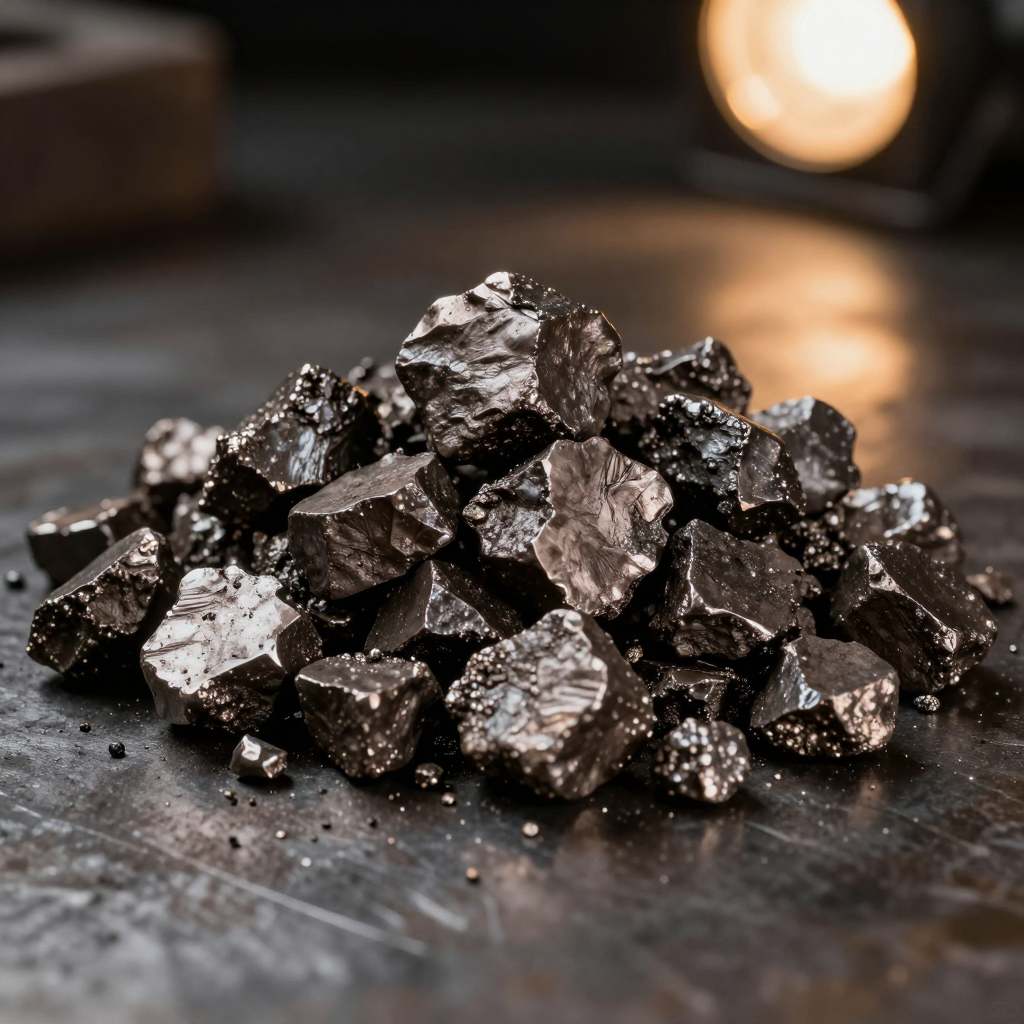
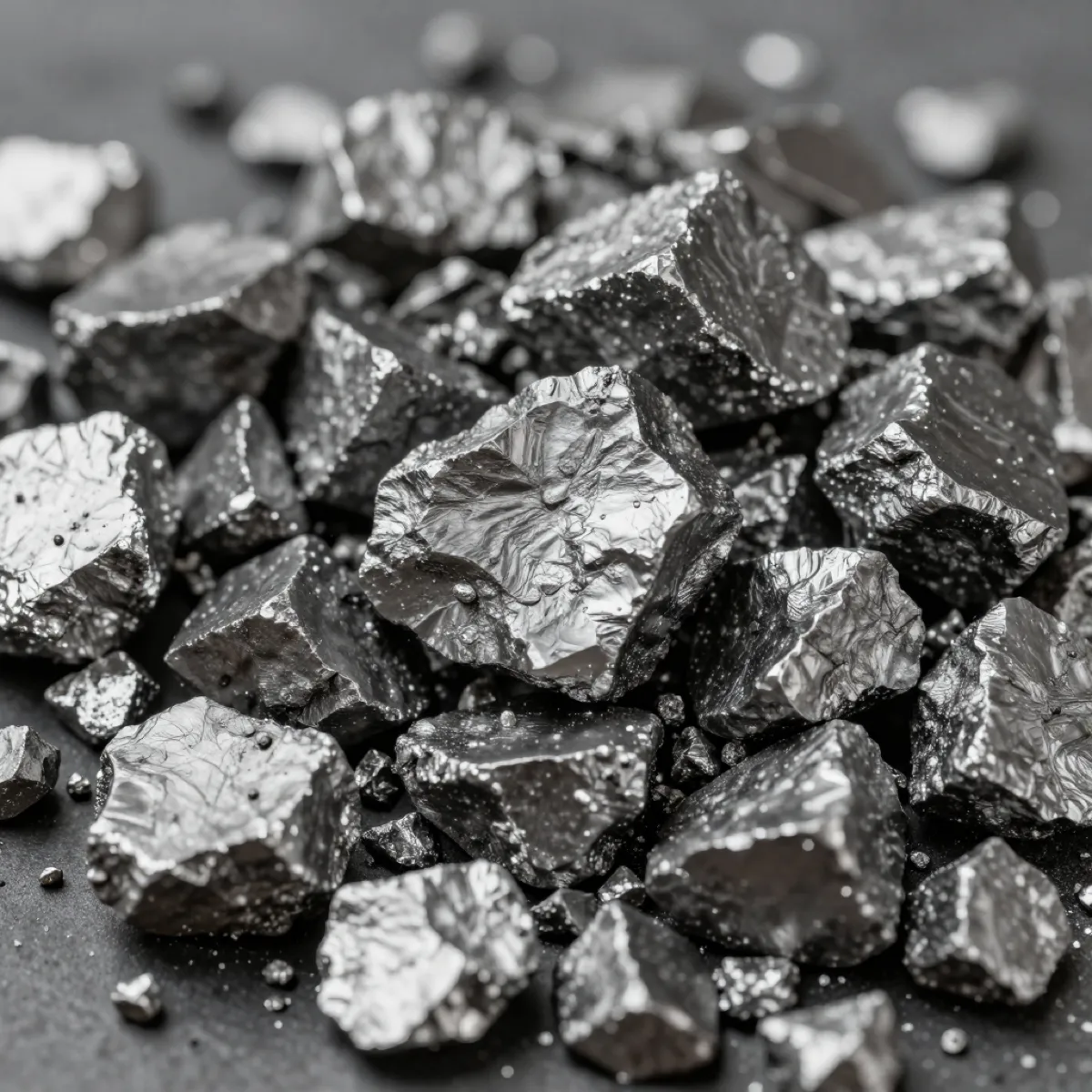
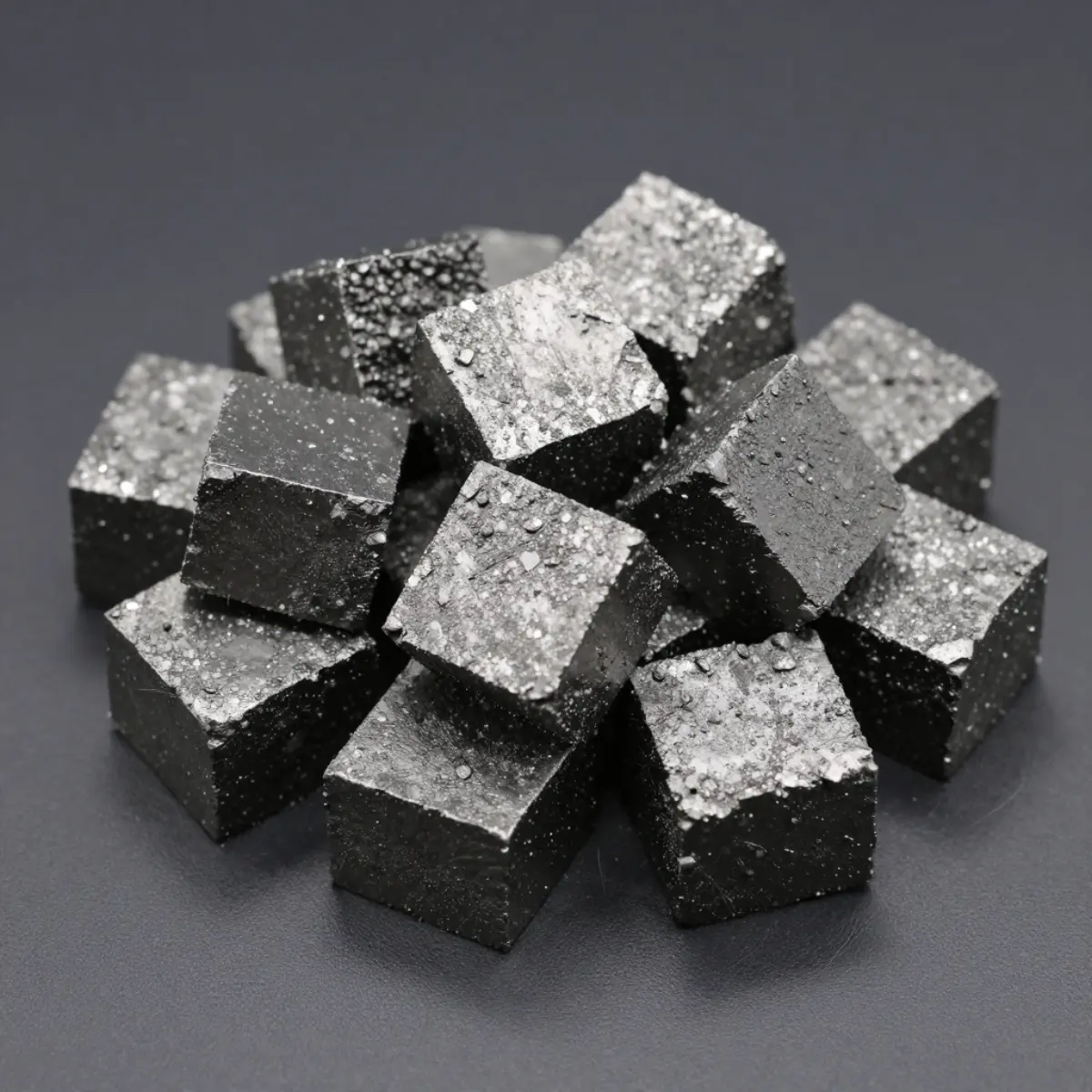
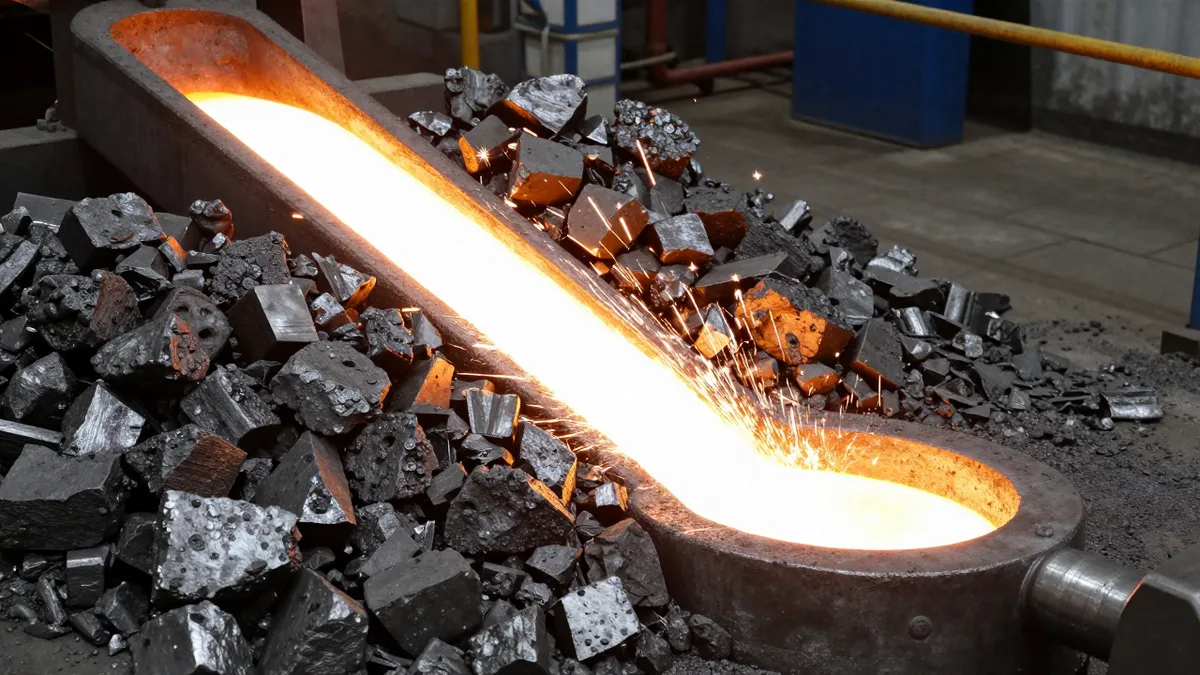
Ferromolybdenum (FeMo) is the principal molybdenum carrier used to add molybdenum to steel, supplying the element that more than any other defines the high-end performance of HSLA structural steels, line-pipe steels, molybdenum-bearing stainless steels, and tool steels. Produced by aluminothermic or silicothermic reduction of molybdenum trioxide (derived from molybdenite concentrate or technical-grade MoO₃) in the presence of iron, ferromolybdenum is supplied at 55–65% molybdenum with low carbon and silicon, allowing the melt shop to make precise molybdenum additions without disturbing the rest of the chemistry. Although molybdenum is added in modest percentages — typically 0.15–0.50% in HSLA and pipeline steels, 2–4% in 316-type stainless — its metallurgical effect is decisive for the strength, hardenability, and corrosion resistance of the finished product.
In HSLA and line-pipe steels, molybdenum’s defining contribution is hardenability — the ability of the steel to develop a strong, fine microstructure through controlled cooling after thermomechanical processing. Molybdenum strongly retards the transformation of austenite to soft ferrite and pearlite during cooling, favoring instead the formation of fine acicular ferrite and bainite that combine high yield strength with good toughness and weldability. This is why API 5L line-pipe grades from X60 through X80, and high-strength structural steels for buildings, bridges, and heavy equipment, routinely carry 0.15–0.50% molybdenum, often in combination with ferromanganese and vanadium-nitrogen alloy microalloying. Molybdenum also enables the steel to be tempered at higher temperatures after quenching without losing strength — the secondary-hardening effect — which is essential in quenched-and-tempered grades that must hold both toughness and yield strength.
In stainless steel, molybdenum is the element that separates the premium corrosion-resistant grades from the basic ones. The addition of 2–3% molybdenum distinguishes 316 from 304 stainless and raises the pitting-resistance equivalent number (PREN) to the level required for reliable service in chloride environments — seawater, brackish cooling water, chemical process streams, and the sour-service conditions found in oil and gas production. Duplex stainless steels, which combine austenite and ferrite for higher strength and chloride stress-corrosion-cracking resistance, rely on 3–4% molybdenum. For these grades, the molybdenum content is not optional — it is the defining chemistry that qualifies the material for the service environment, and the FeMo addition must be controlled tightly enough to land within the specification band heat after heat.
Tool and high-temperature steels represent a third use family. Molybdenum’s secondary-hardening response and resistance to temper-softening make it a backbone alloying element in hot-work tool steels (H13), high-speed steels, and steels for forging dies and extrusion tooling that must hold hardness at elevated temperature. In every application family, molybdenum is added not for a single property but for a combination — strength plus toughness, strength plus corrosion resistance, hardness plus thermal stability — that no other single element delivers at the same cost.
Because molybdenum is one of the higher-cost ferroalloy additions, the recovery of FeMo in the ladle has a direct and visible effect on alloy cost per heat. Ferromolybdenum dissolves cleanly in liquid steel with recovery typically above 98% — among the highest of the ferroalloys — provided the addition timing, slag condition, and bath temperature are managed correctly. Our FeMo is supplied at 55–65% Mo with low carbon (≤0.10%, to protect decarburized stainless chemistry during alloying) and low silicon, in controlled lump and briquette form, so that the melt shop can dose to a tight target rather than over-add against an uncertain yield. Certified molybdenum content on every shipment closes the loop between the addition and the final chemistry.
For procurement teams, the FeMo decision is shaped by two realities that distinguish it from other ferroalloys. First, molybdenum is a high-unit-cost addition, so recovery predictability and tight dosing translate directly into alloy-budget savings — a 1% recovery swing across a year of 316 production is material. Second, molybdenum supply is concentrated, with long lead times and exposure to price volatility that can disrupt alloy-budget planning. Establishing a long-term supply relationship with consistent chemistry, reliable lead times, and transparent pricing is therefore one of the most effective levers a steelmill or foundry has for stabilizing both the metallurgy and the economics of its molybdenum-bearing grades.
Need pricing or technical confirmation?
Send your application, grade, size, and quantity requirements by email for a faster response.
Request a Quote