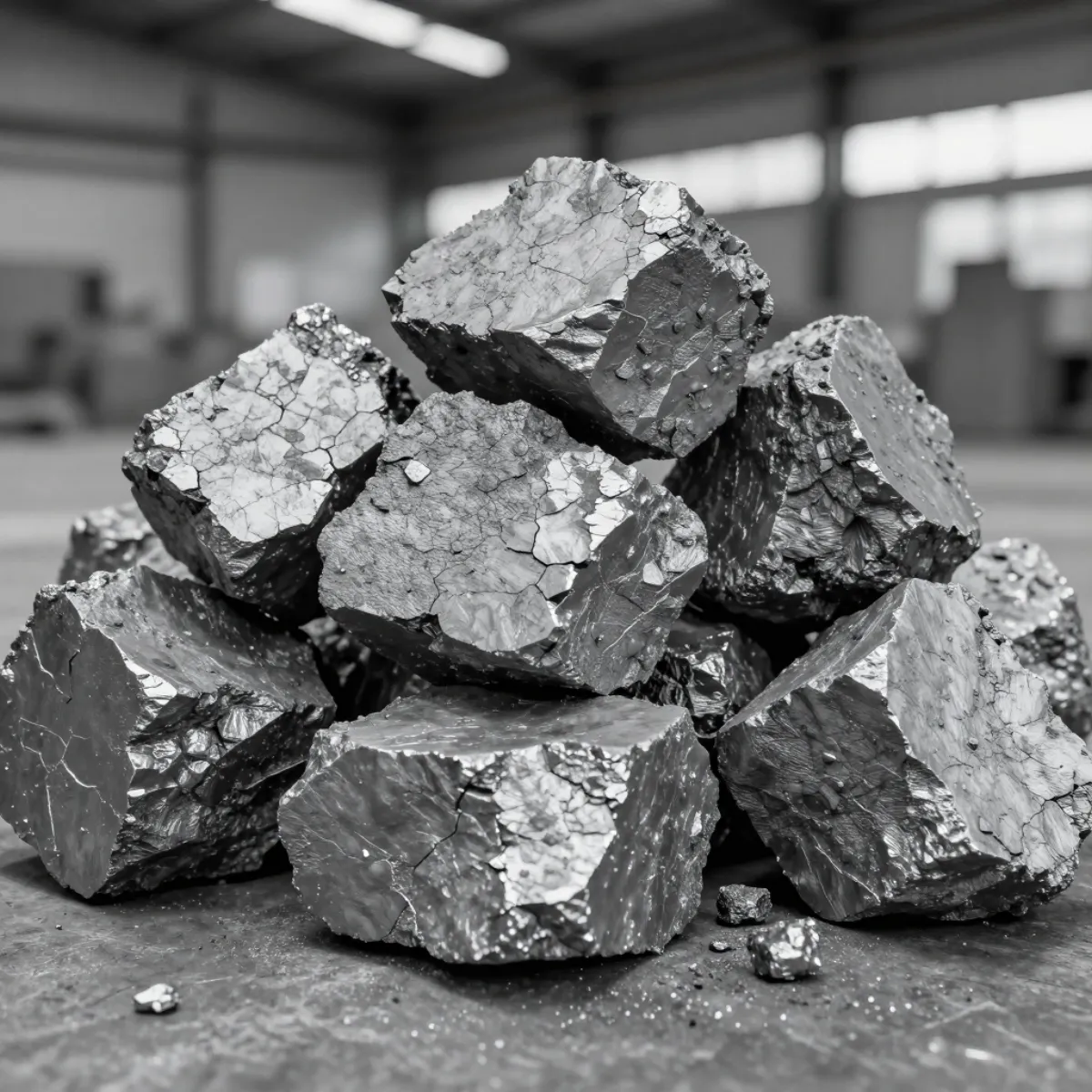
hslaalloying

Ferrovanadium and Vanadium Nitrogen Alloying for an Automotive Steel Producer

Automotive steel producer

Ferrovanadium and Vanadium Nitrogen Alloying for an Automotive Steel Producer

Challenge:

The producer needed stable vanadium yield and fine, uniform grain refinement across a high-strength low-alloy (HSLA) line, but inconsistent vanadium alloy chemistry was causing scatter in tensile properties and occasional rejects.

Solution:

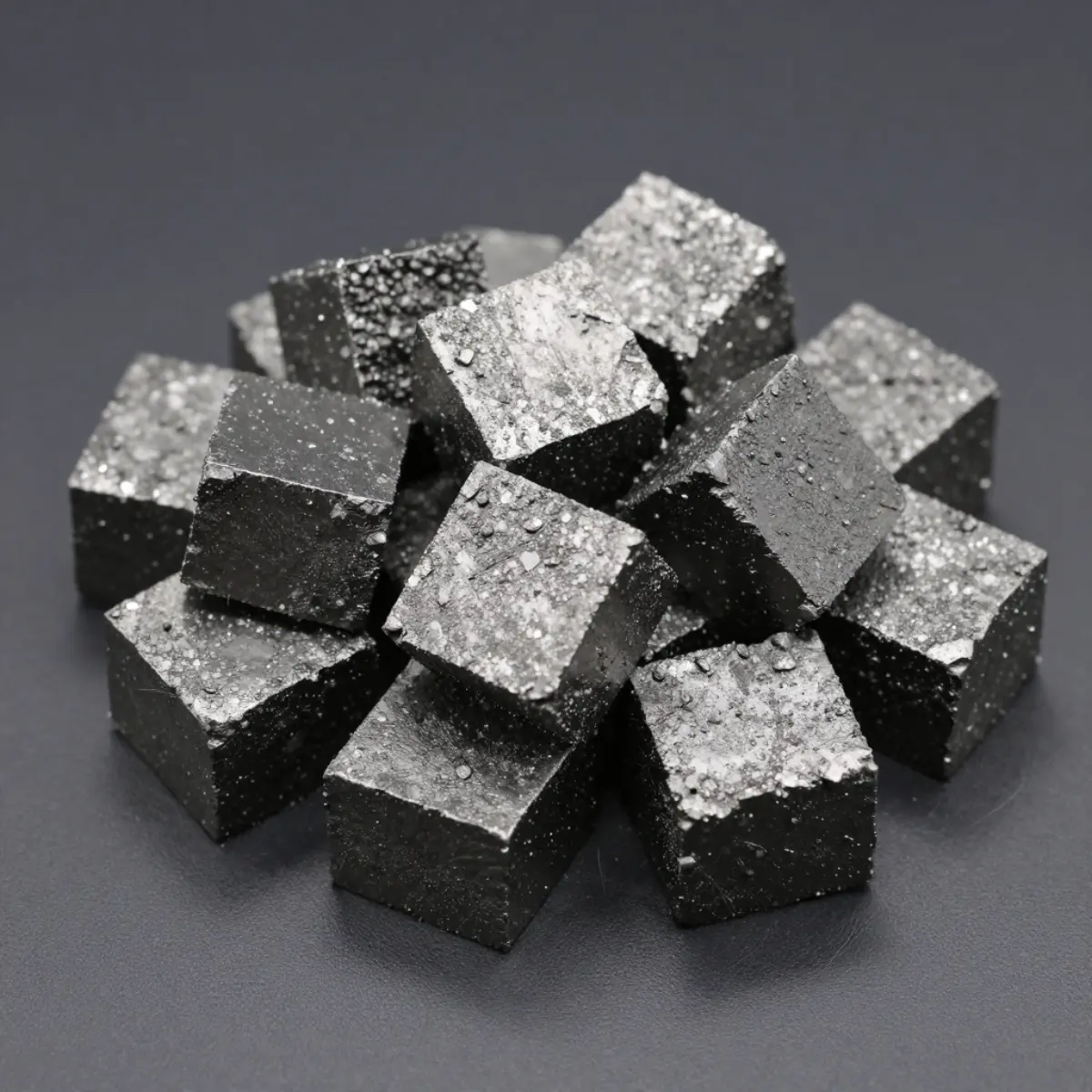
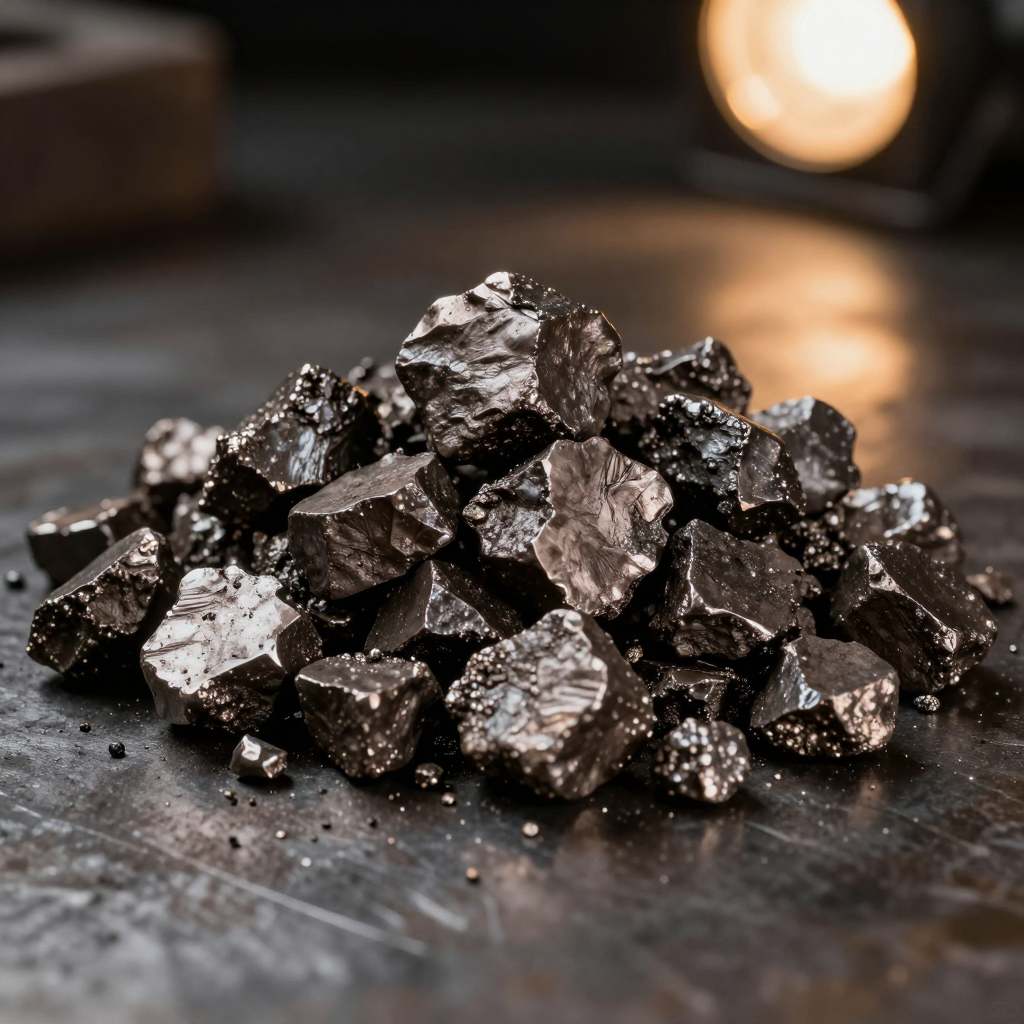
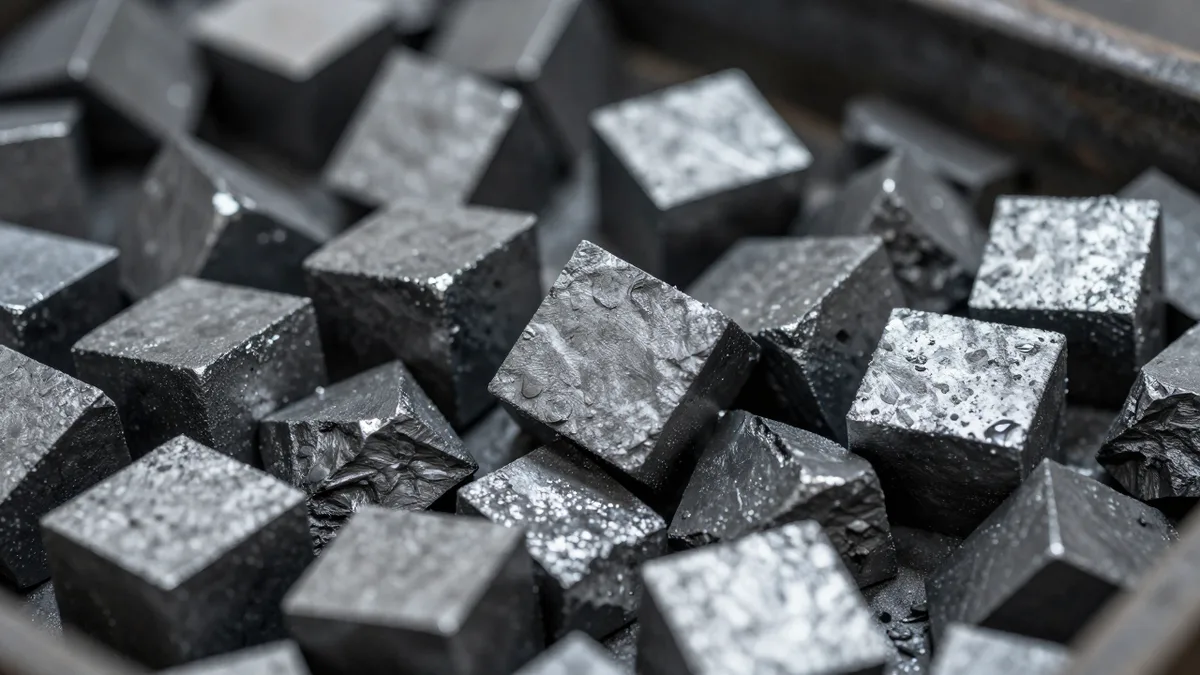
We supplied certified ferrovanadium and vanadium nitrogen alloy with tight chemistry documentation, and supported a combined charging practice that balanced free vanadium for strengthening with vanadium nitrogen for precipitation.

Result:

Tensile-property scatter narrowed and off-spec heat rejections fell, giving the line more predictable strength and better yield across the HSLA grade portfolio.

An automotive steel producer running a high-strength low-alloy line found that vanadium alloy chemistry from their previous supplier drifted between batches. That inconsistency translated into scatter in the finished product’s tensile and yield properties — some heats over-performed, others fell short — and a recurring stream of off-spec rejections that cost the line both material and time.

We supplied certified ferrovanadium for its free-vanadium grain-refining and solid-solution strengthening, alongside vanadium nitrogen alloy for precipitation strengthening, with tight, documented chemistry on each lot. Working with the producer’s melt shop, we supported a combined charging practice that balanced the two forms of vanadium against the grade’s target nitrogen, so that vanadium nitride precipitation — the mechanism that gives HSLA grades their strength — behaved predictably. Consistent alloy purity also reduced the phosphorus and sulfur tramp that variable material had been introducing.

The result was a measurable narrowing of tensile-property scatter across the HSLA portfolio. Off-spec heat rejections fell, and the line gained the predictability it needed to hold tighter strength windows on automotive grades. Reliable, documented vanadium chemistry turned out to be as important to the finished product as the vanadium content itself.

Similar Cases