Challenge:
The producer was making clean-bar and wire products where alumina inclusions were degrading surface quality, and their cored-wire supply was inconsistent in calcium yield and feed behavior.
Solution:
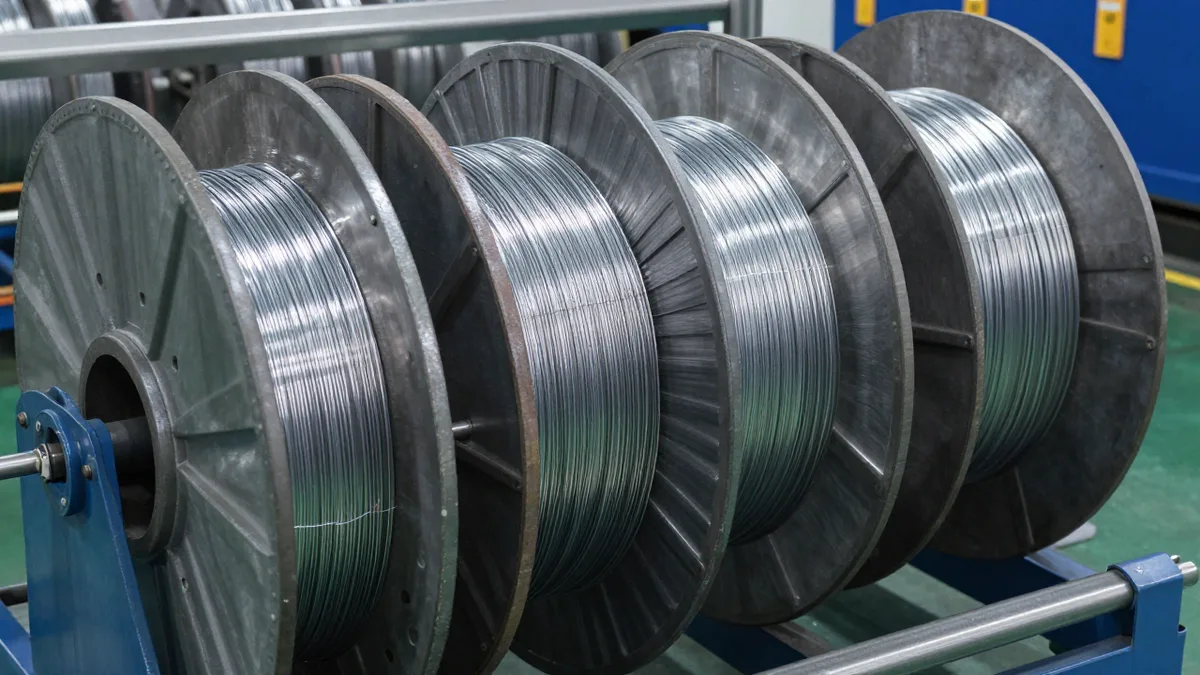
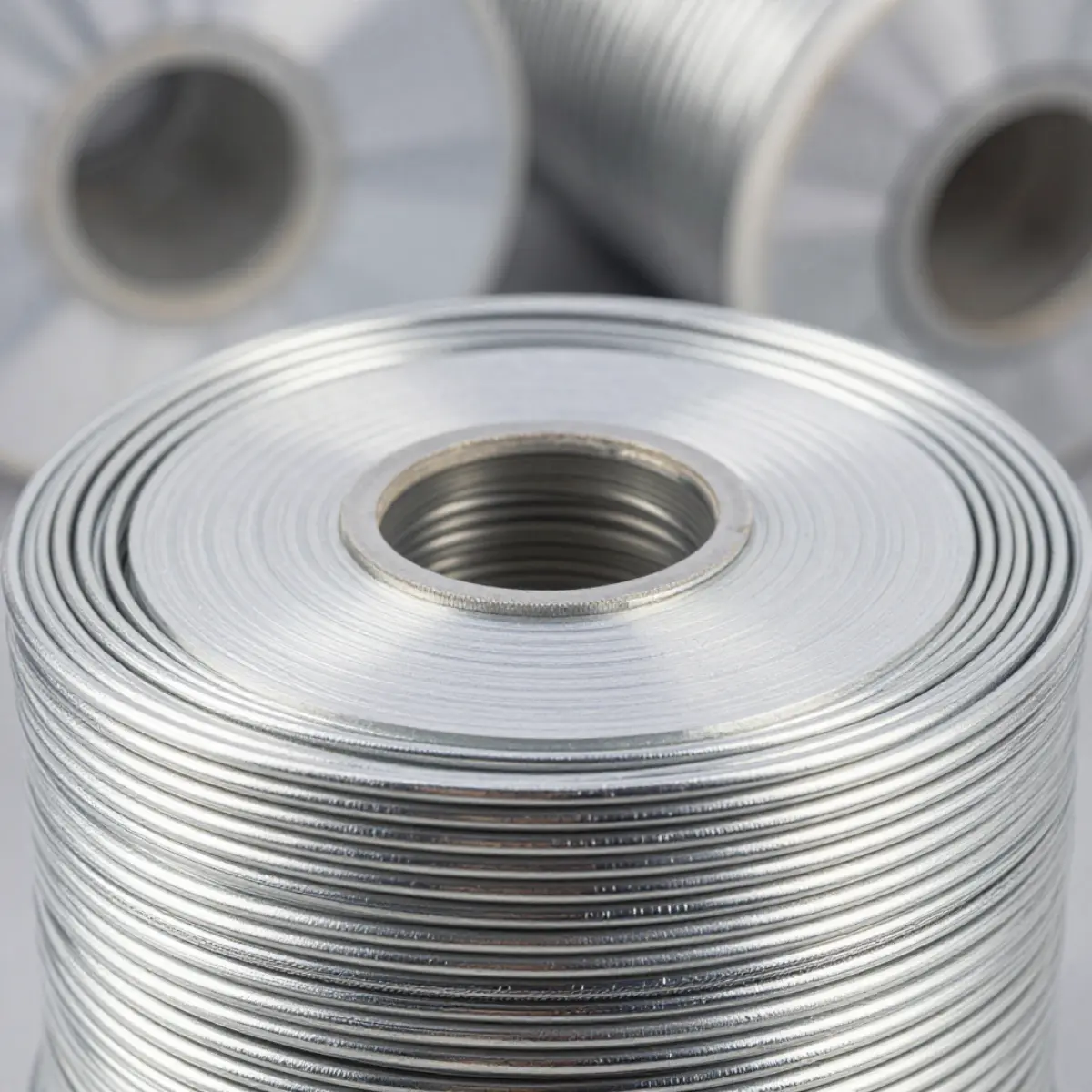
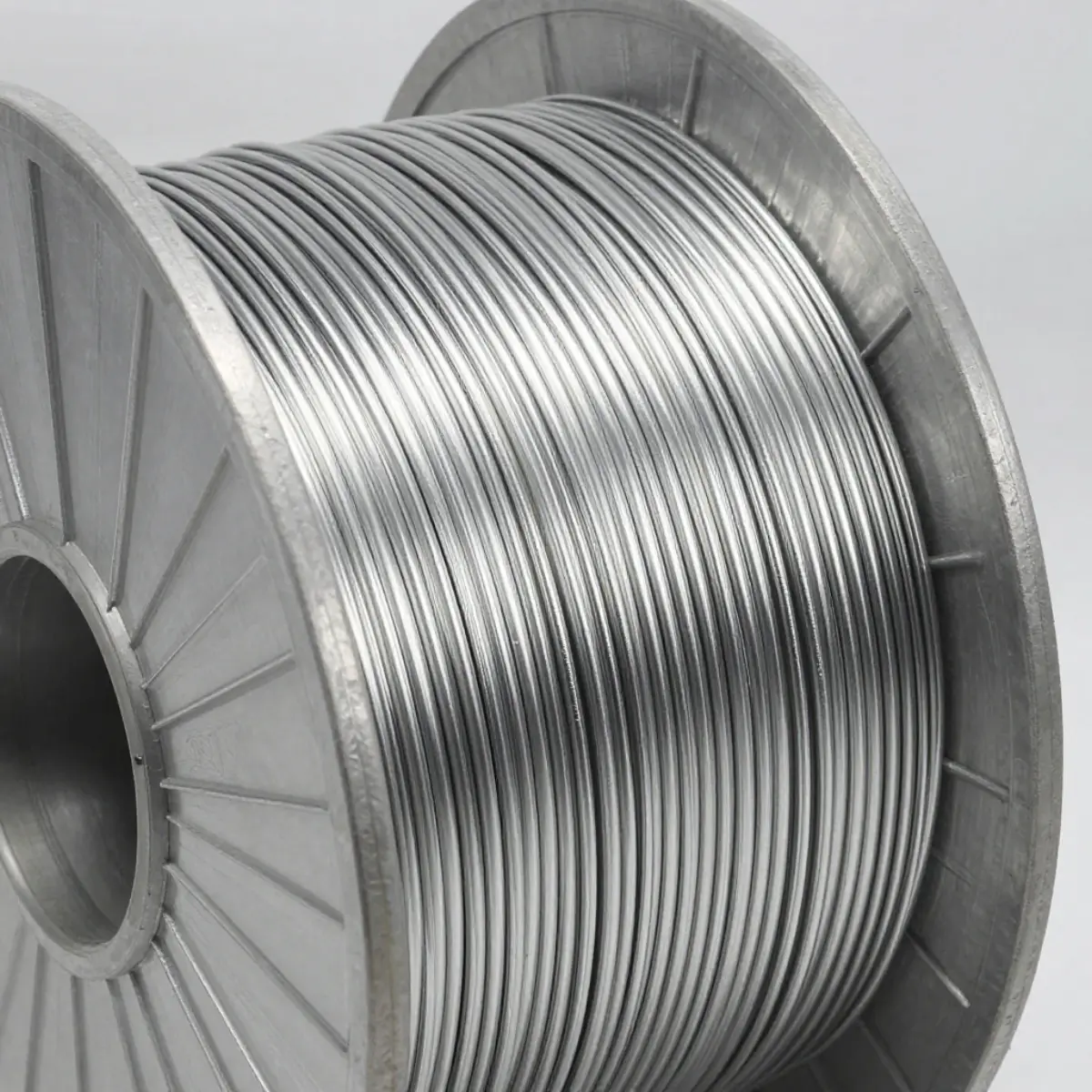
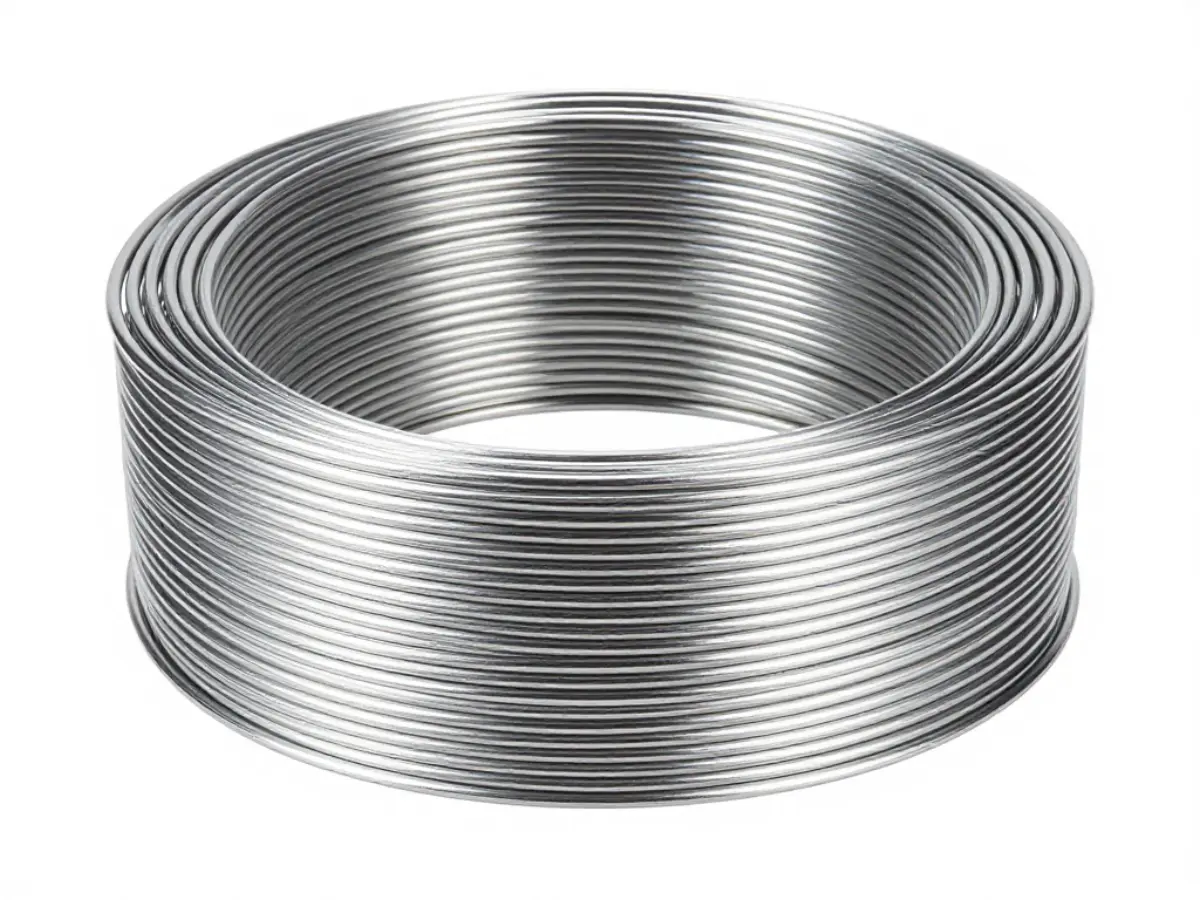
We supplied calcium cored wire with documented chemistry and a controlled core, and supported injection parameters for speed and calcium yield suited to the producer's strand practice.
Result:
Inclusion morphology improved, surface-quality rejects on clean-bar products fell, and downstream cold-work yield rose.
A wire-rod producer making clean-bar and wire products found that alumina inclusions were degrading surface quality on the finished product. Their cored-wire supply for calcium treatment was inconsistent — calcium yield varied and the wire did not feed reliably through the strand — so the inclusion-modification step that should have softened the alumina inclusions was itself a source of variability.
We supplied calcium cored wire with documented chemistry and a controlled core, and worked with the producer’s continuous-casting team on injection parameters — feed speed and calcium yield — matched to their strand practice. Consistent wire quality let the producer hold those parameters steady rather than re-tuning them for every new batch.
Inclusion morphology improved as the alumina was reliably modified, surface-quality rejects on the clean-bar products fell, and the producer saw downstream cold-work yield rise. For clean-steel products, the cored-wire feed step is a small but decisive link between the melt and the finished surface.