Exigences de pureté pour le sable de quartz métallurgique
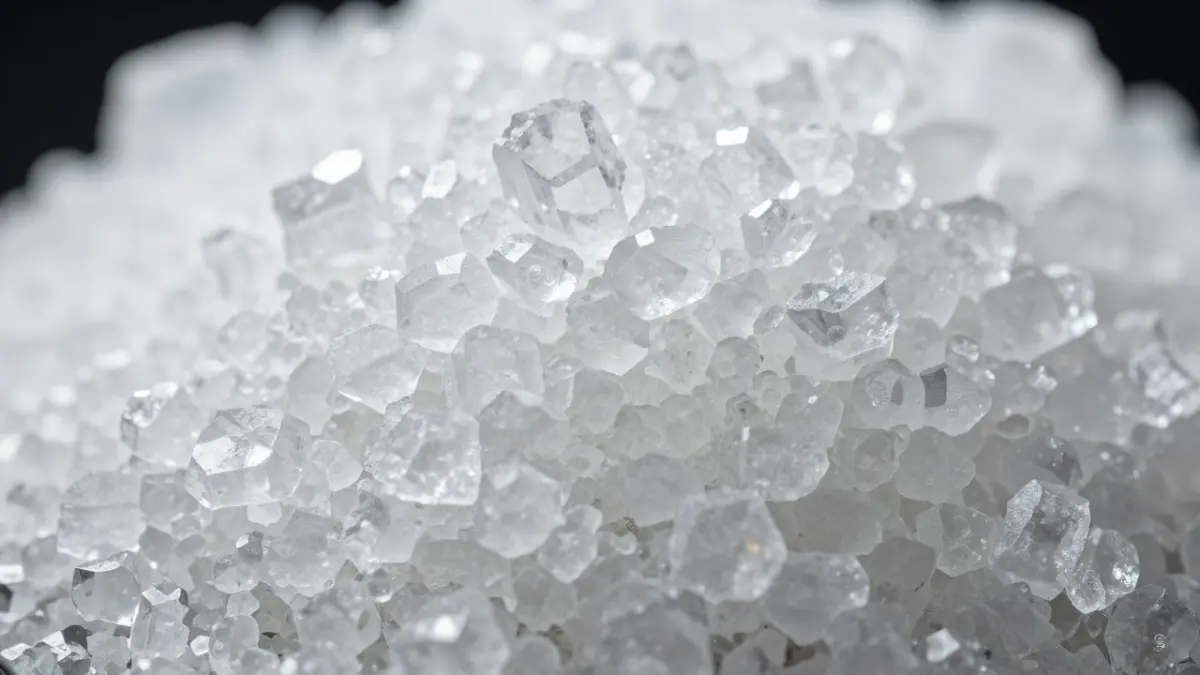
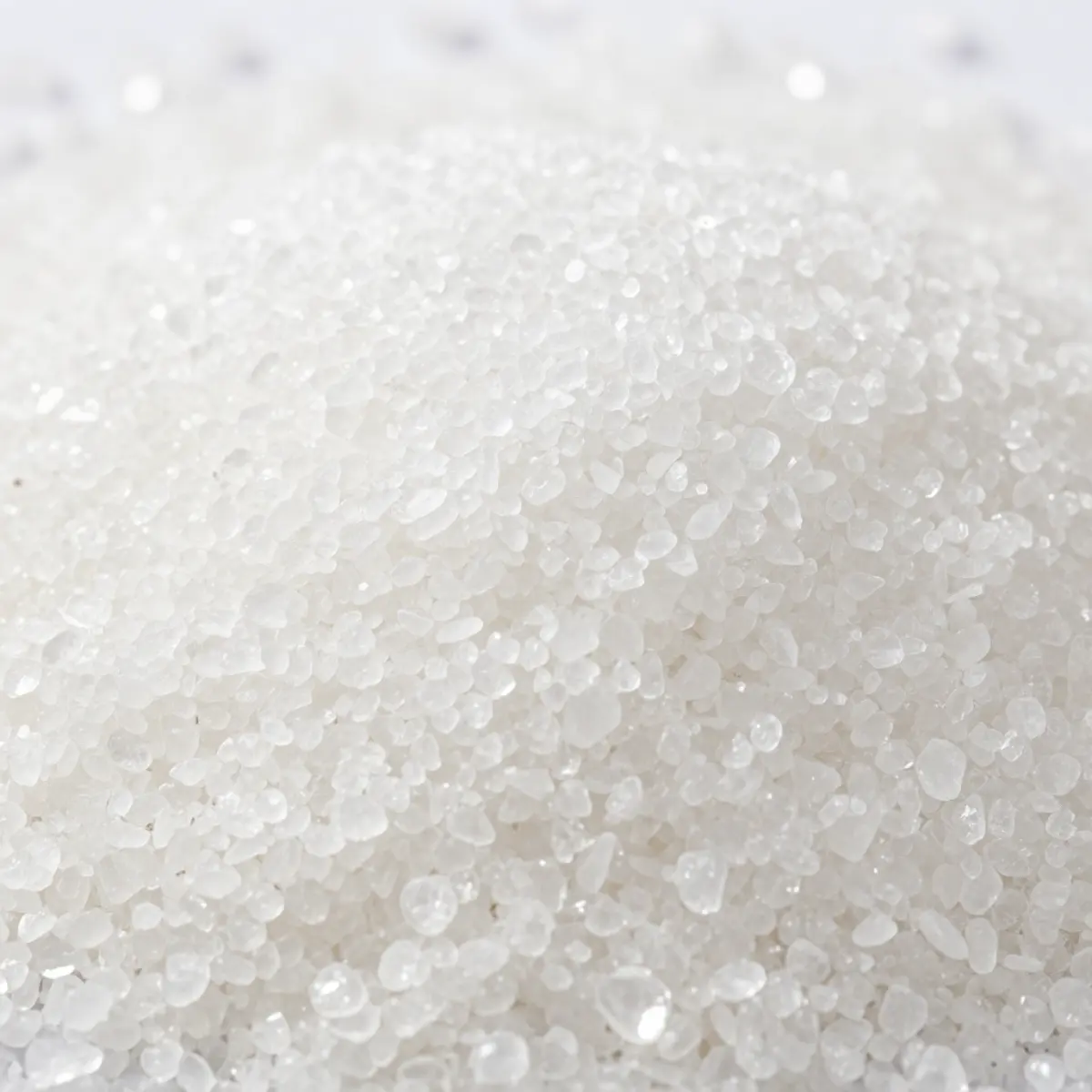
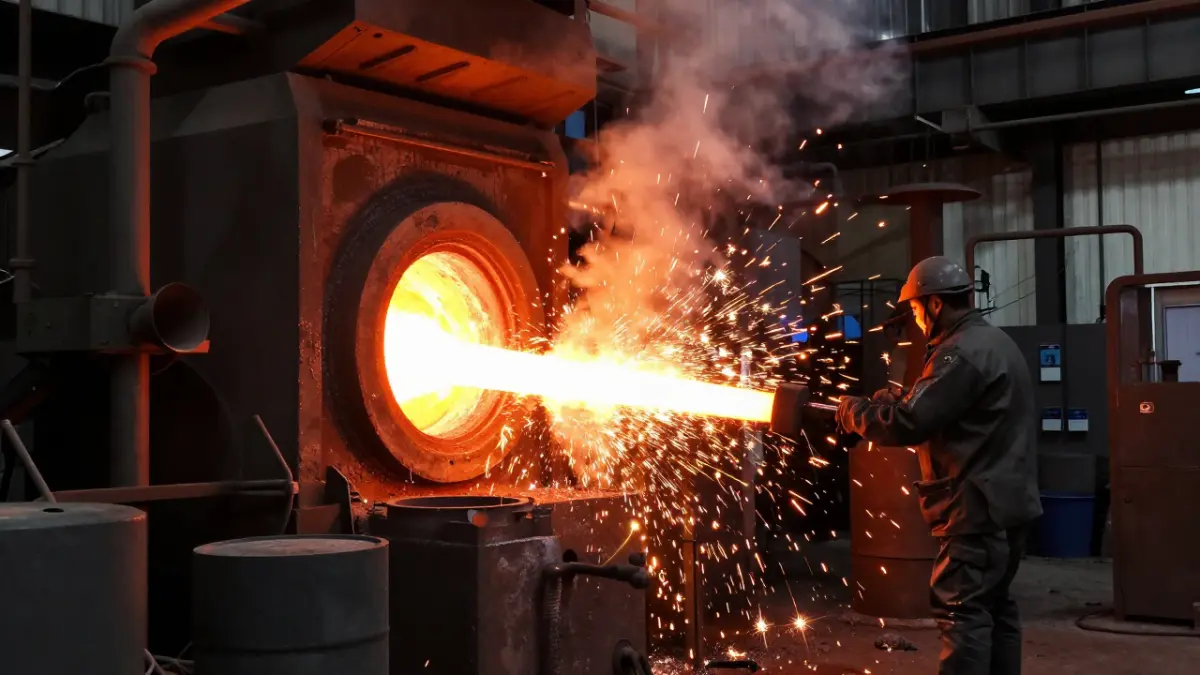
Quartz sand is a raw material that appears simple but plays critical roles across multiple metallurgical processes. In steel refining, it serves as a silica source for slag formulation; in foundry operations, it is the primary molding aggregate; and in refractory applications, high-purity silica sand is essential for furnace linings and tundish furniture. The purity requirements vary significantly depending on the application, and understanding these differences is essential for procurement teams sourcing quartz sand for metallurgical use.
The primary purity metric for quartz sand is SiO2 content. For general slag-making and covering agent applications, SiO2 content of 95-97% is typically sufficient. These grades allow moderate levels of Al2O3, Fe2O3, and alkali oxides that do not significantly affect slag performance in most steelmaking contexts. However, for applications where the sand contributes to the chemistry of a precision slag system (such as synthetic refining slags for ultra-low sulfur steels), higher SiO2 content of 98% or above is specified to minimize the introduction of uncontrolled impurities that could affect slag basicity and desulfurization capacity.
Iron oxide (Fe2O3) is the impurity most carefully controlled in metallurgical quartz sand. In steelmaking applications, iron oxide in the sand is not necessarily detrimental since it enters the slag and can be reduced, but in foundry molding applications, high iron content can cause surface defects on castings and affect the performance of chemical binders. For refractory-grade silica sand used in induction furnace linings, the iron oxide limit is particularly strict because iron acts as a flux that reduces the refractoriness of the silica lining at high temperatures. Typical specifications for refractory-grade sand limit Fe2O3 to below 0.05%, while foundry-grade sand may tolerate up to 0.5%.
Particle size distribution is the second critical specification alongside chemical purity. For slag-making, a coarser sand (0.5-2 mm) is acceptable and even preferred because it generates less dust during handling. For foundry molding, the particle size distribution must be tightly controlled to achieve the required permeability and surface finish on the casting. The AFS grain fineness number (GFN) is the standard metric, with typical ranges of 40-60 GFN for steel casting applications. Buyers should specify both chemical purity and particle size requirements to ensure the sand performs as expected in their specific process, and should request lot-specific analysis certificates for high-purity applications.