Manganese Metal vs Ferromanganese: When Purity Wins in Specialty Steel
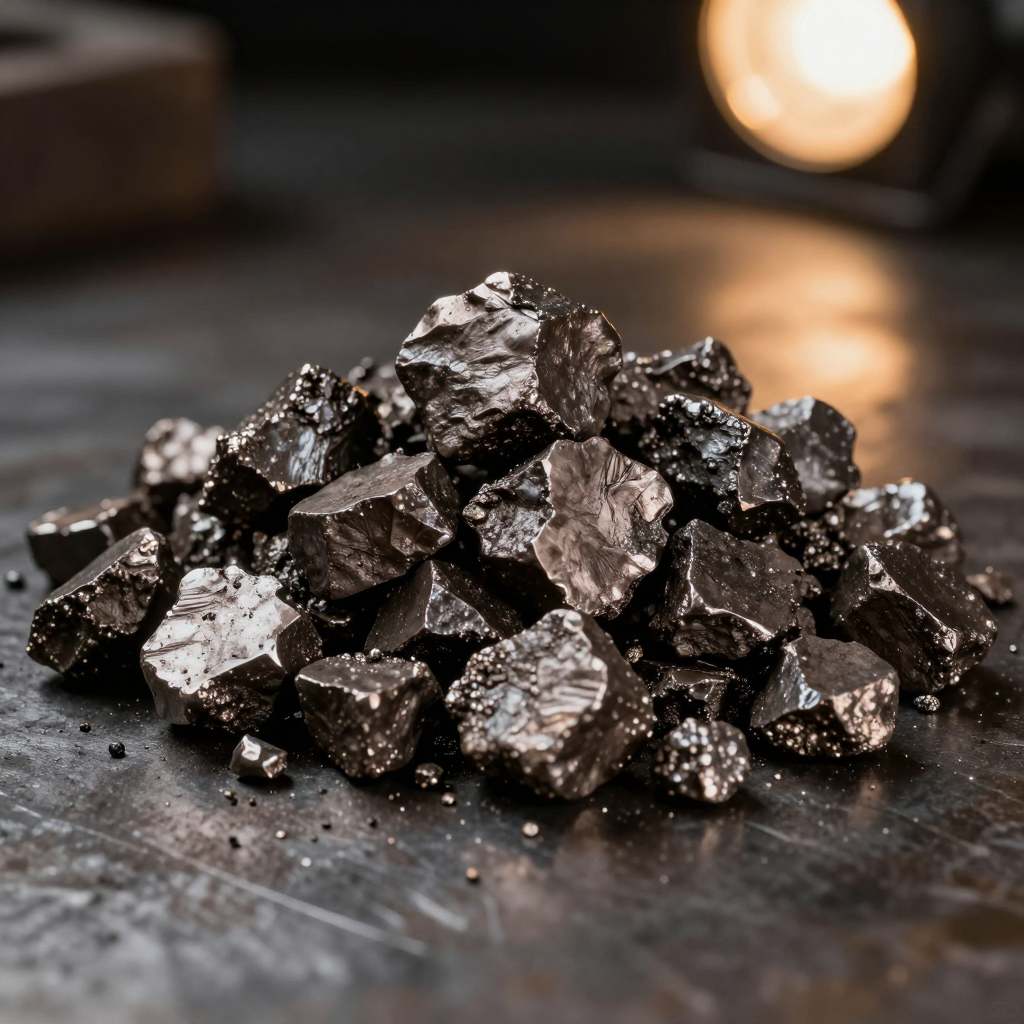
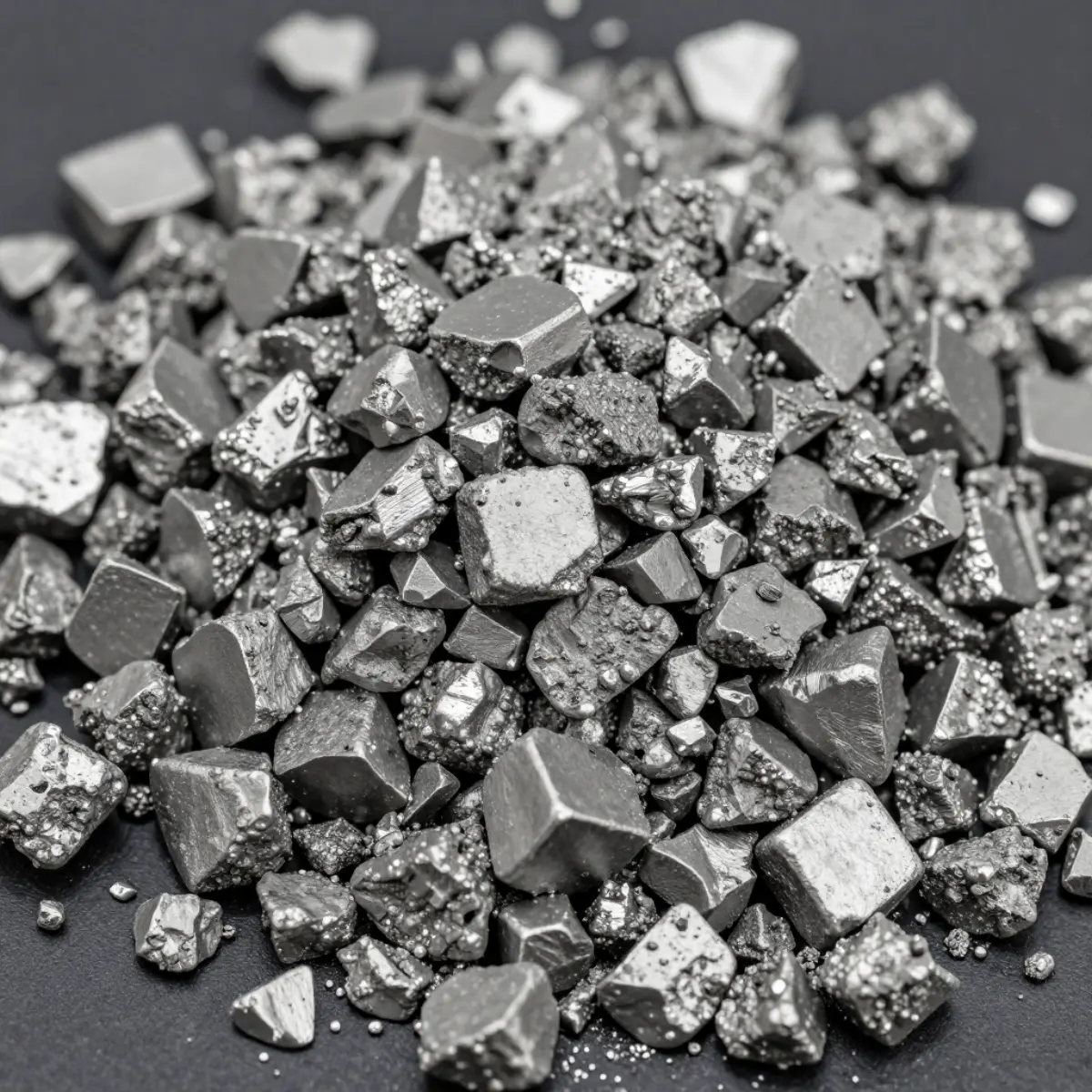
Manganese is one of the most widely charged elements in steelmaking, and most of it arrives as ferromanganese — a cheap, high-volume alloy typically in the 75–82% manganese range. For the large share of carbon, low-alloy, and many stainless grades, that is exactly what the melt shop wants: a lot of manganese per tonne of charge. But ferromanganese also carries silicon, phosphorus, and sulfur with it, and on certain grades that carry-over is the problem.
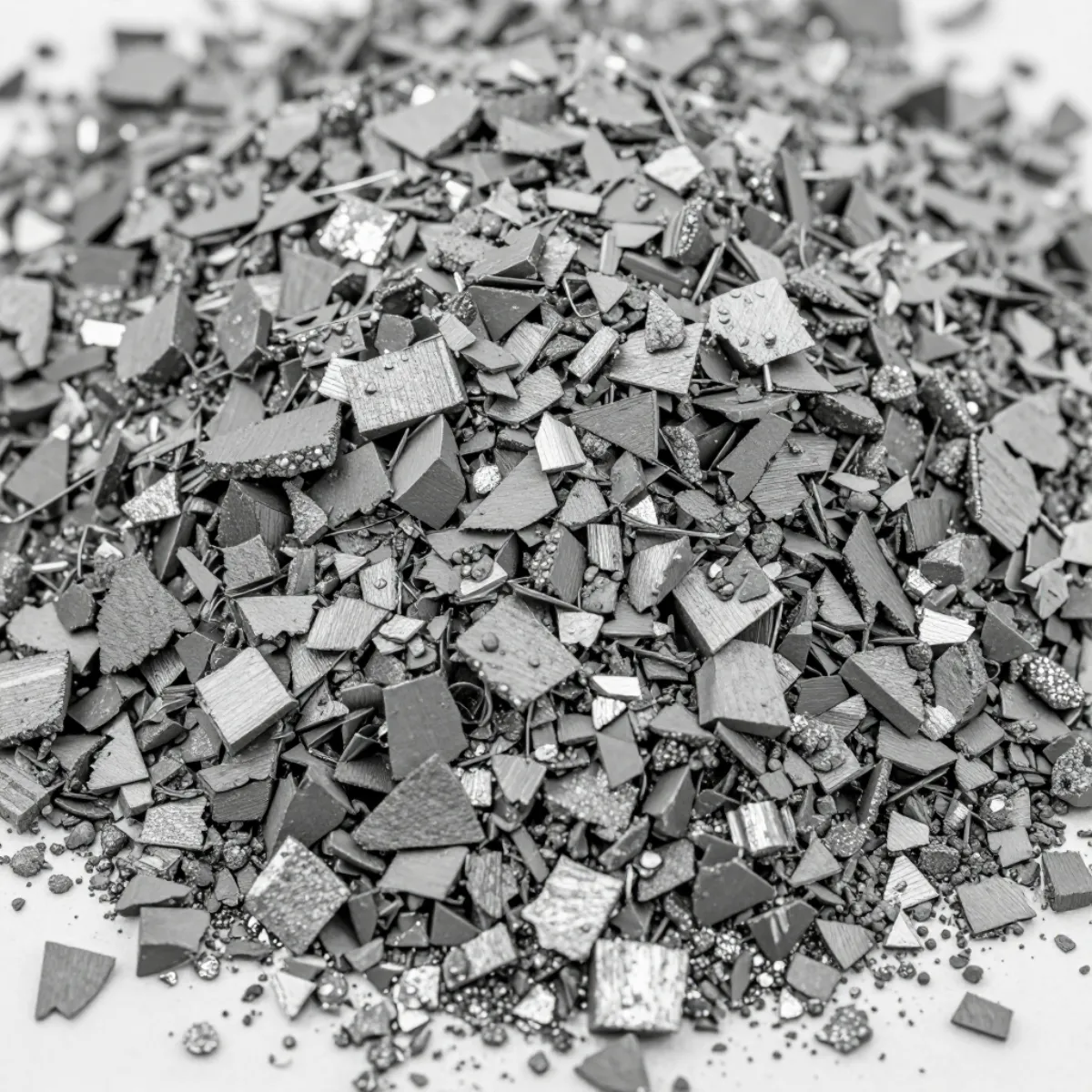
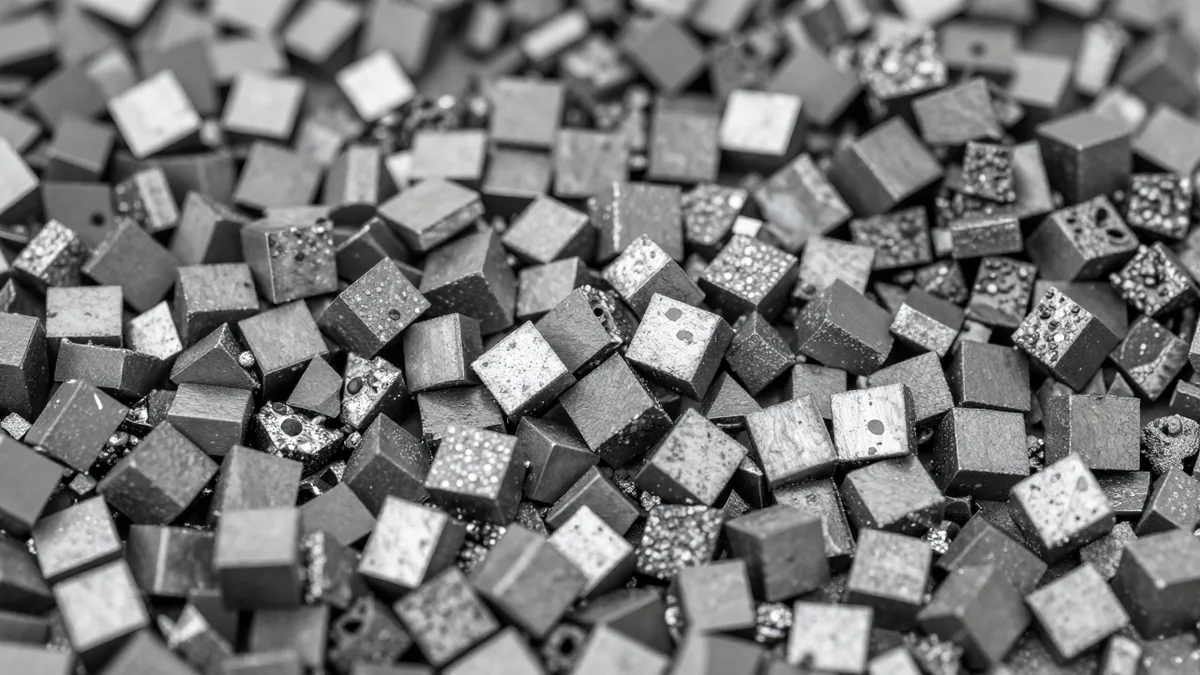
That is where manganese metal earns its place. Electrolytic manganese metal is close to 99.8% manganese, so charging it delivers the element with a fraction of the impurities that the same mass of ferromanganese would bring. On special-steel, bearing, tool, and other tight-composition grades, the phosphorus and sulfur that a tonne of ferromanganese adds can push the heat outside its window or force extra downstream cleanup. Manganese metal lets the melt hit the manganese target while keeping those impurities down.
The decision is a trade-off between cost and impurity control. Manganese metal is more expensive per unit of manganese than ferromanganese, so a plant should not reach for it reflexively. The sensible pattern is to use ferromanganese for the bulk of the manganese requirement and reserve manganese metal for the grades and the final composition adjustments where impurity carry-over is the binding constraint. Sometimes that means metal only on the most demanding products; sometimes it means a small finishing addition on a wider range.
The charging practice matters as much as the choice. Because manganese metal and ferrosilicon are often used together to balance deoxidation and alloying, the melt shop should plan the two as a pair and use measured chemistry on each lot to charge to the grade window rather than to a safety margin. Consistent documentation on both materials is what makes the finer impurity control reliable from one heat to the next.
For procurement teams, the rule of thumb is simple: default to ferromanganese, and specify high-purity manganese metal wherever the grade’s impurity limits — not its manganese content — are what actually constrain the outcome. Getting that split right is usually the difference between a manganese charge that meets the grade and one that only appears to.