Applications
Manganese alloying in low-carbon, ultra-low-carbon, and nitrogen-bearing special steel grades where ferromanganese would raise carbon too highAddition to 200-series stainless steels where manganese partially substitutes for nickel while maintaining austenite stabilityAlloying of aluminum alloys and copper alloys where high-purity manganese improves strength, corrosion resistance, and grain structureChemical and master-alloy applications requiring precisely controlled manganese with minimal metallic impurities
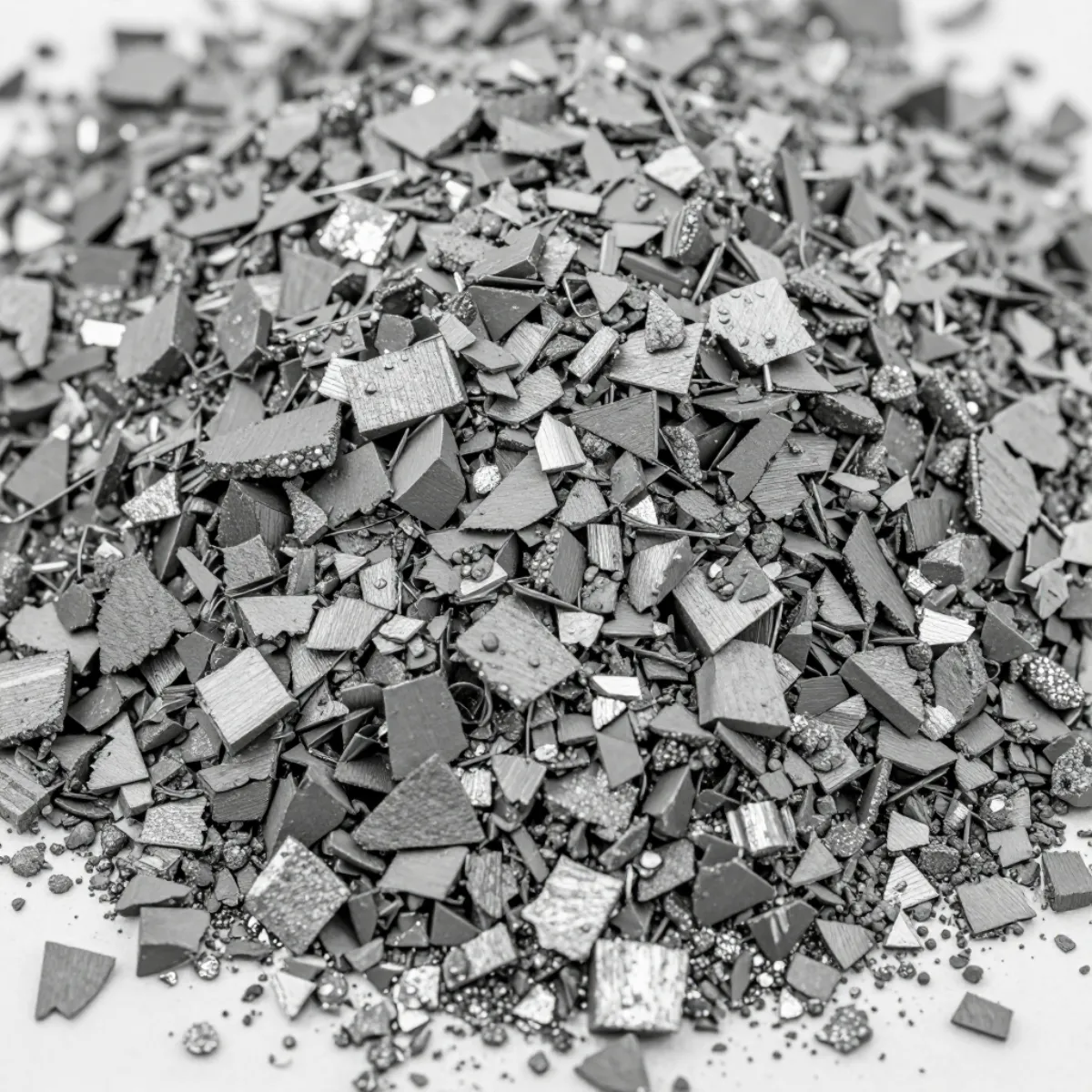
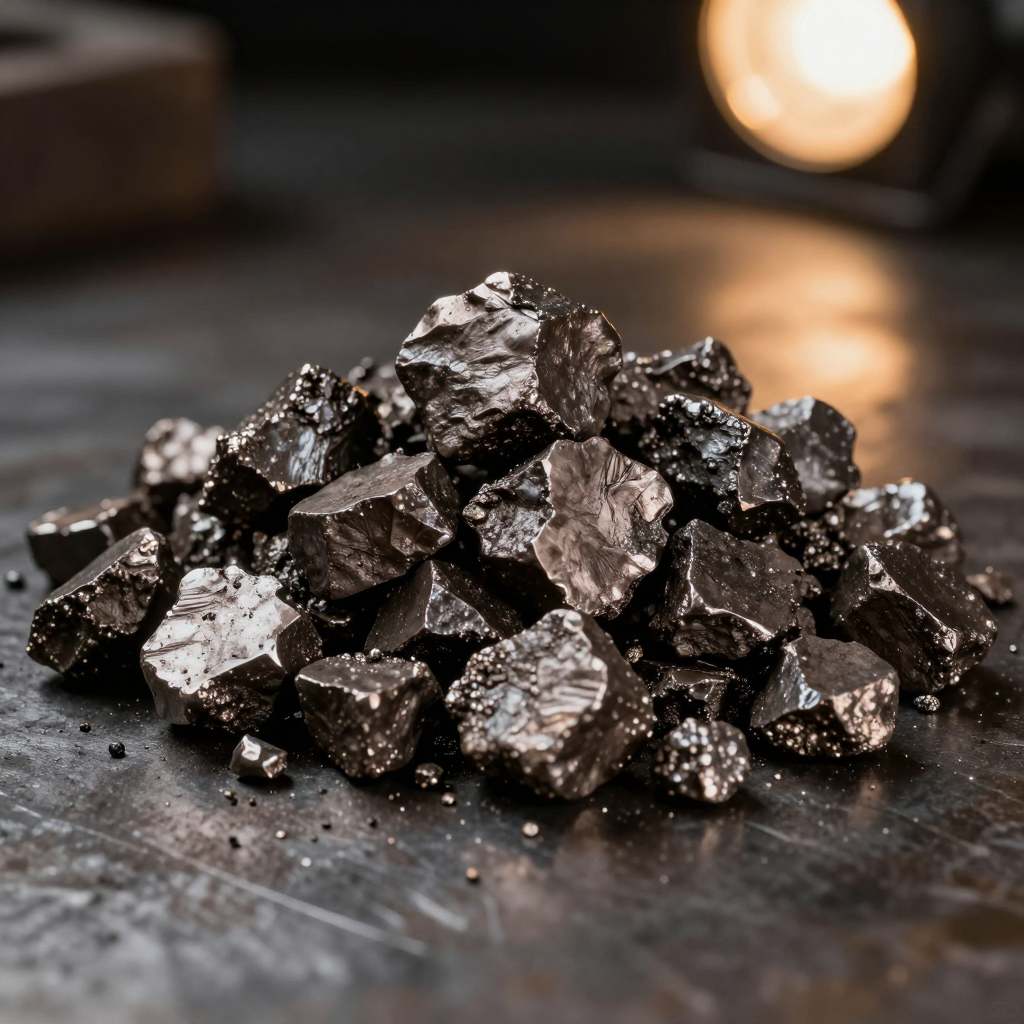
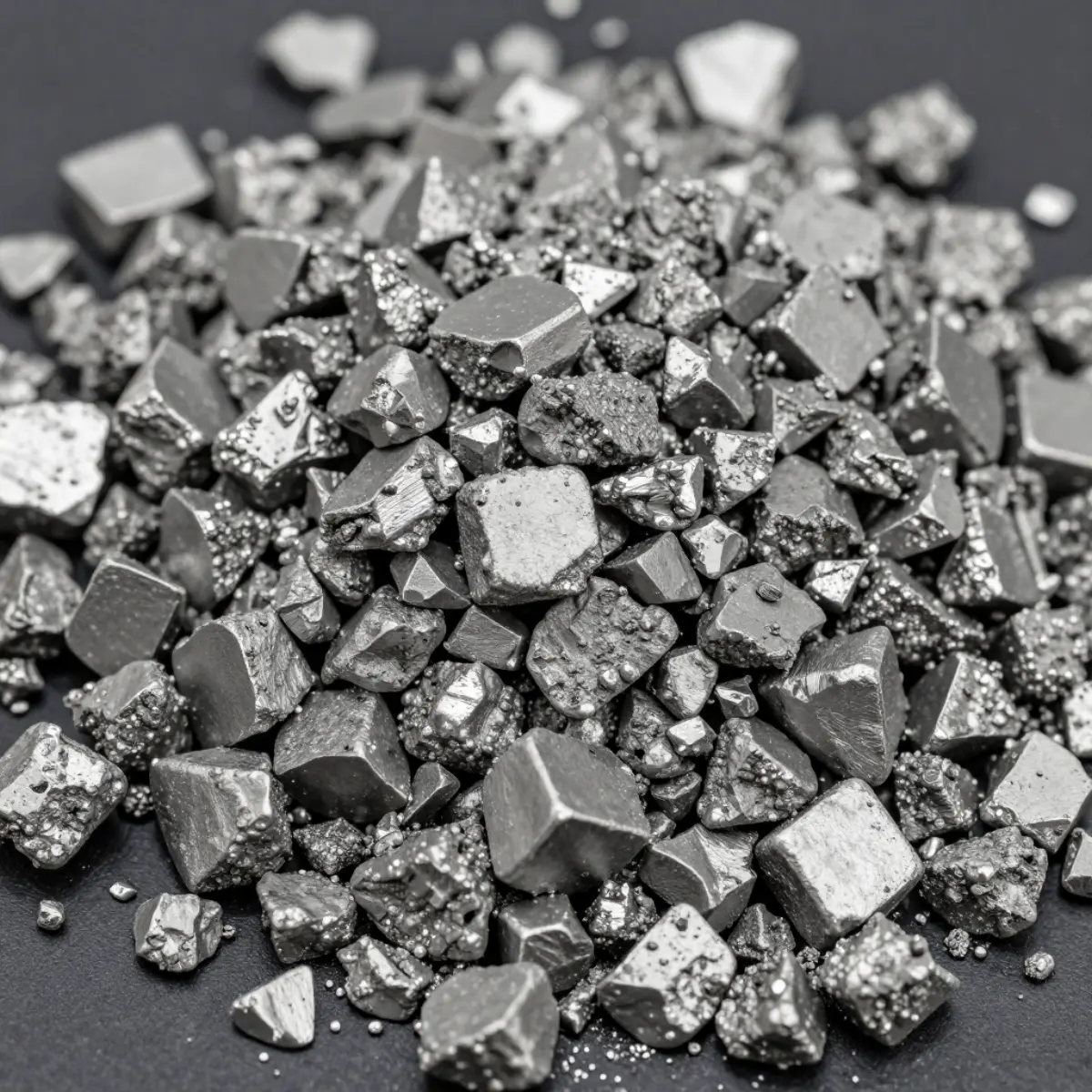
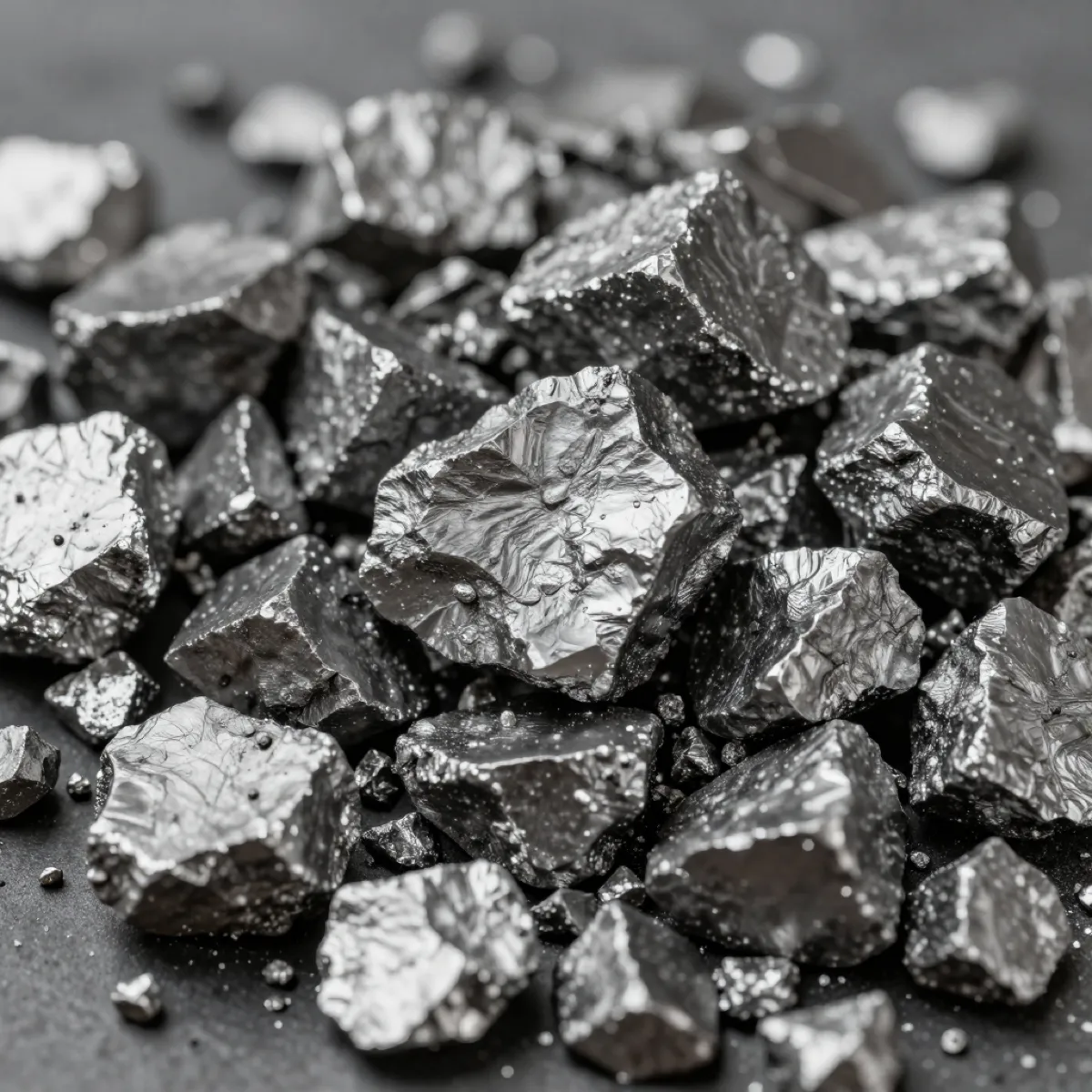
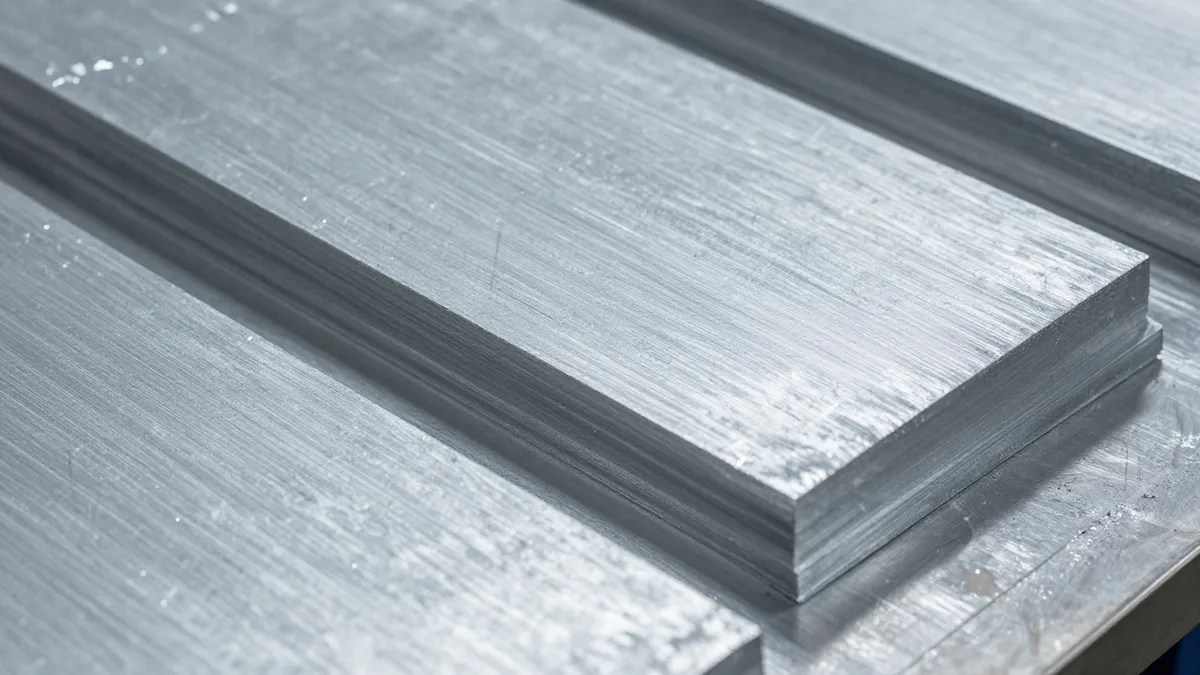
Electrolytic manganese metal is the highest-purity manganese product available for steelmaking and alloying, distinguished from ferromanganese by its near-absence of carbon and iron. It is produced by electrolysis of a purified manganese sulfate solution, which deposits manganese in high-purity flakes that are subsequently cleaned, crushed, and sized for shipment. The defining feature of manganese metal is its purity profile: manganese content of 99.7% or higher, with carbon below 0.04%, phosphorus below 0.005%, and iron below 0.05%. Ferromanganese, by contrast, carries 6–7% carbon and 10–20% iron, which is entirely acceptable for ordinary carbon steel but unacceptable for special steel grades that require manganese additions without disturbing carbon, phosphorus, or the manganese-to-iron balance. For these applications, manganese metal is the only practical high-purity manganese source.
The applications of manganese metal concentrate where purity is paramount. In special steel production, low-carbon and ultra-low-carbon grades — including interstitial-free, electrical, and deep-drawing steels — need manganese for strength and sulfur control, but carbon pickup from ferromanganese would violate their carbon specifications; manganese metal delivers the manganese without the carbon. In nitrogen-bearing austenitic and 200-series stainless steels, manganese partially substitutes for more expensive nickel while helping to maintain austenite stability, and the low carbon of manganese metal keeps the alloy carbon budget intact. Beyond steel, manganese metal is a standard alloying addition to aluminum alloys, where it improves strength and corrosion resistance, and to copper and zinc alloys, where it refines grain structure. Each of these applications values the same thing: a manganese source that behaves as pure manganese rather than as an iron-carbon-manganese carrier.
Because manganese metal is considerably more expensive per unit of manganese than ferromanganese, it is used selectively rather than universally. Mills deploy manganese metal where carbon limits, phosphorus limits, or the manganese-to-iron balance require it, and use ferromanganese for bulk manganese additions where its carbon and iron are acceptable. In special steel practice, this often means a two-stage addition: bulk manganese is supplied by ferromanganese in the furnace or at tapping, and the final manganese correction in the ladle furnace uses manganese metal to avoid overshooting carbon or iron. Flake material dissolves readily in liquid steel and is suited to ladle additions, while lumps are used for furnace charges and graded powder for master-alloy and chemical applications. Recovery of manganese from electrolytic metal is consistently high, typically 90–98% in ladle practice, because the product contains no slag or refractory contamination.
Quality control for manganese metal centers on verifying the purity envelope on every shipment. Carbon, phosphorus, sulfur, and iron must each be confirmed by combustion and spectroscopic analysis against the certificate of analysis, and flake and lump sizing should be checked for consistency with the agreed specification. Because manganese metal commands a premium and is applied in sensitive grades, the buyer should require full assay documentation and traceability from the producer. KHAKI TRADING CO., LIMITED supplies electrolytic manganese metal within a portfolio of 32 product categories serving over 80 countries, supported by certificates of analysis and technical guidance in 17 languages to meet the demanding requirements of special steel and non-ferrous alloy programs.
Need pricing or technical confirmation?
Send your application, grade, size, and quantity requirements by email for a faster response.
Request a Quote