specialty-steelalloying

High-Purity Manganese Metal for a Specialty Steel Mill

Specialty steel mill

High-Purity Manganese Metal for a Specialty Steel Mill

Challenge:

The mill was producing special-steel grades where impurity carry-over from standard ferromanganese was pushing sulfur and phosphorus up, forcing more downstream cleanup and occasionally missing tight compositional windows.

Solution:

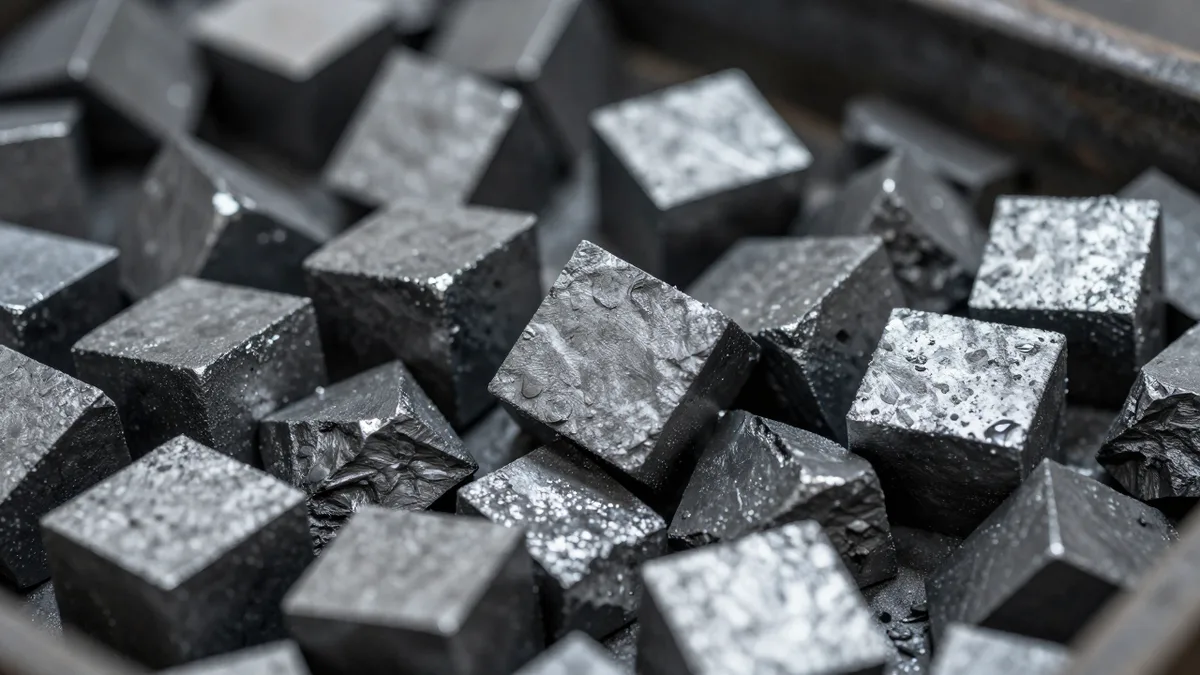
We supplied high-purity electrolytic manganese metal with documented impurity limits and supported a charging strategy that combined it with ferrosilicon to meet manganese targets without dragging in excess impurities.

Result:

Special-steel heats met their tight compositional windows more consistently, reducing cleanup reagent use and improving yield on the most demanding grades.

A specialty steel mill making demanding grades found that standard ferromanganese was carrying in more sulfur and phosphorus than the chemistry could absorb. To hit manganese targets the melt shop had to over-charge, and the extra impurities then required additional downstream cleanup — sometimes still leaving the finished steel short of its tight compositional window.

We supplied high-purity electrolytic manganese metal with documented impurity limits, so the mill could reach its manganese targets with far less phosphorus and sulfur brought in alongside. Working with the mill, we supported a charging strategy that paired the manganese metal with ferrosilicon to balance the overall deoxidation and alloying, meeting manganese levels precisely without dragging in the excess impurities that standard ferromanganese had introduced.

Across the specialty grades the mill reported more consistent hits on their compositional windows, less cleanup reagent consumed, and improved yield on the most demanding products. For special steels, where a few hundredths of a percent of an impurity can matter, the purity of the alloying manganese — not just its manganese content — proved to be the decisive factor.

Similar Cases