Ferroalloy Charge Calculation: Addition Yields and Dosing in the Electric Arc Furnace
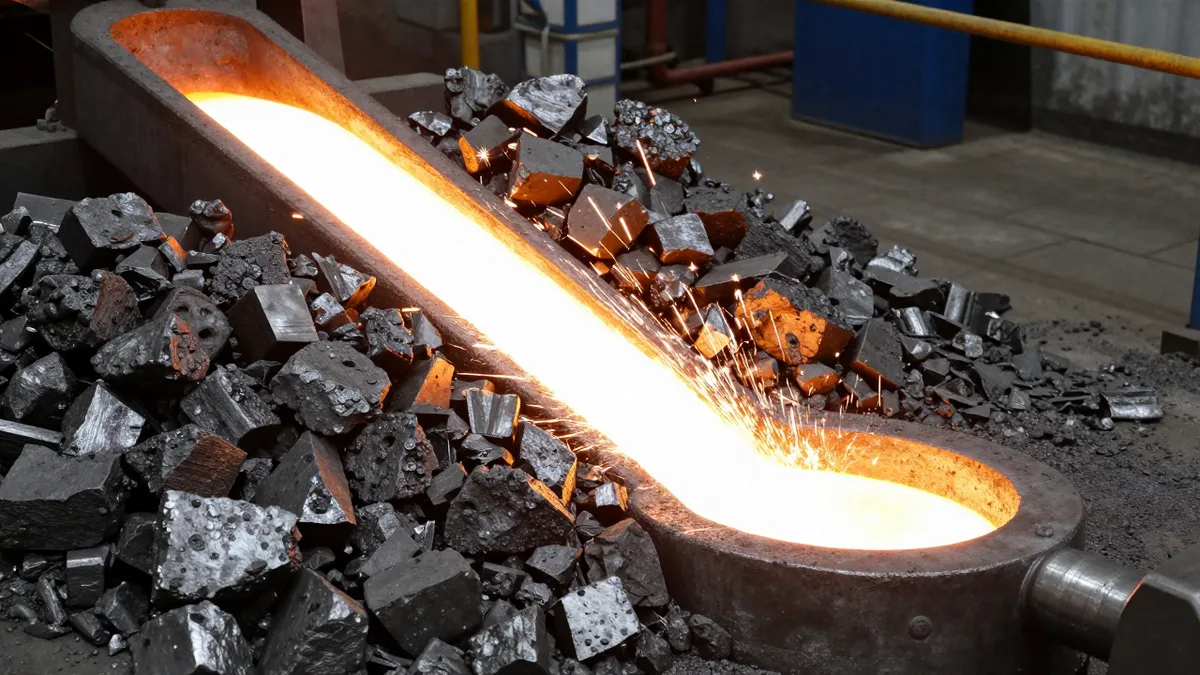
Every charge of ferroalloy starts from the same arithmetic, and it is short enough to keep on the melt shop floor: the alloy charge in kilograms equals the target increase in the element, in weight percent, times the heat weight in kilograms, divided by the product of the element’s content in the alloy and the addition yield. Nothing in that formula is mysterious, and most of the real-world error sits in the last term. Yield is not a property of the alloy; it is a property of the moment — the furnace condition, the slag, the temperature, and where in the sequence the metal goes in. A charge calculation that treats yield as a handbook constant will be wrong in exactly the direction that costs money: a little under on the first heat, a corrected little-over on the next.
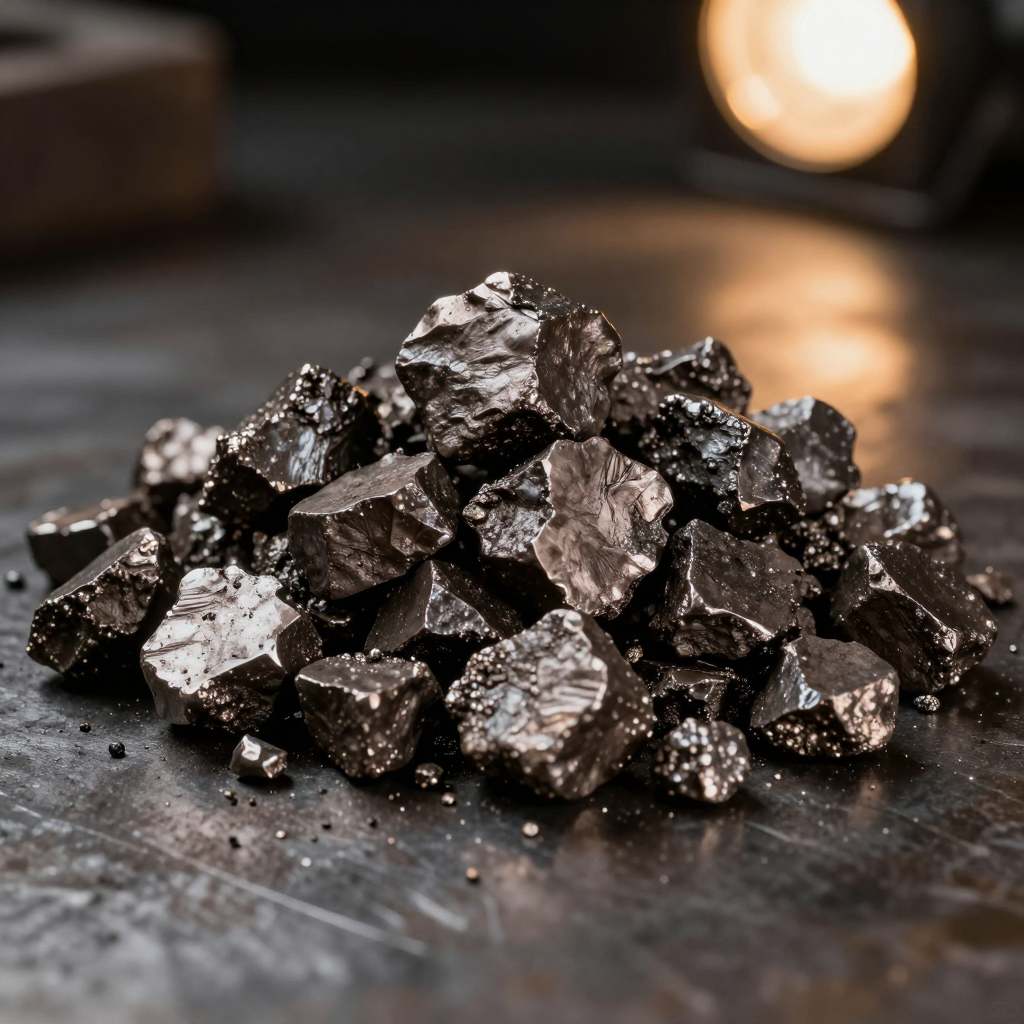
Take the manganese case, because it is the one where yield misbehaves most. A 30 tonne EAF heat needs to move from 0.25 percent to 0.70 percent manganese — a 0.45 point increase — using ferromanganese at 65 percent Mn. With a planning yield of 90 percent, the charge works out as (0.45 × 30,000) ÷ (0.65 × 0.90), which is 13,500 kilograms of manganese needed from 0.585 kilograms of manganese per kilogram of alloy, about 23.1 tonnes of alloy. The reason the planning value sits at 90 percent rather than higher is that manganese is oxidizable: any oxygen potential left in the bath or the slag takes some of it with it. Add after the deoxidizers have done their work, keep the addition dry, and the realized pickup will come in near the plan; add into an oxidizing bath and the same formula silently over-delivers alloy and under-delivers metal.
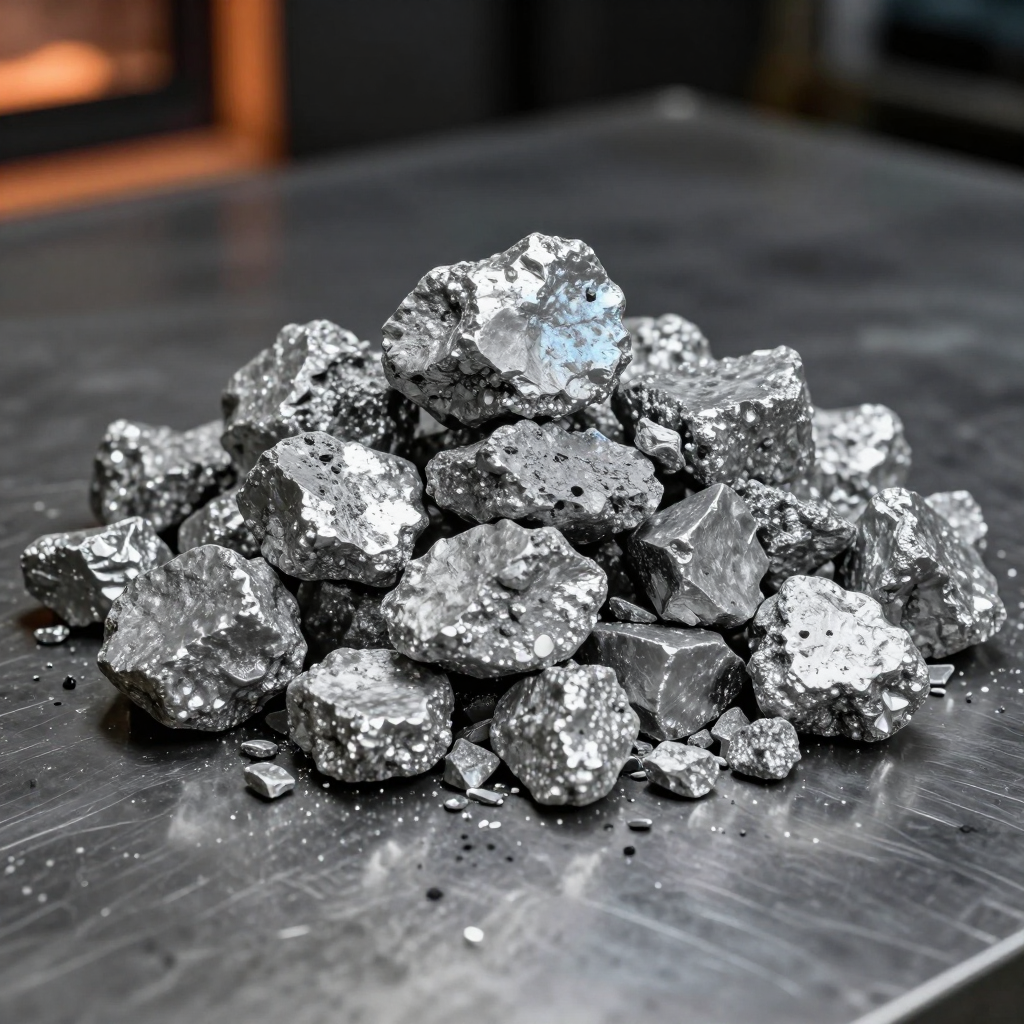
Silicon behaves better, which is why the numbers are tighter. To move a 40 tonne heat from 0.10 to 0.40 percent silicon with ferrosilicon at 75 percent — a 0.30 point increase — at a planning yield of 95 percent, the charge is (0.30 × 40,000) ÷ (0.75 × 0.95), that is 12,000 ÷ 0.7125, roughly 16.8 tonnes. Vanadium, used at far smaller levels, scales the same way: a 25 tonne heat targeting 0.05 percent vanadium with ferrovanadium at 60 percent and a 95 percent planning yield takes (0.05 × 25,000) ÷ (0.60 × 0.95), which is 1,250 ÷ 0.57, about 2.2 tonnes of alloy. The lesson across all three is that the formula is identical and the discipline is in the input data: the heat weight from the tap, the chemistry from the actual analysis rather than the assumed charge, and the alloy grade from the certificate, not the label on the bale.
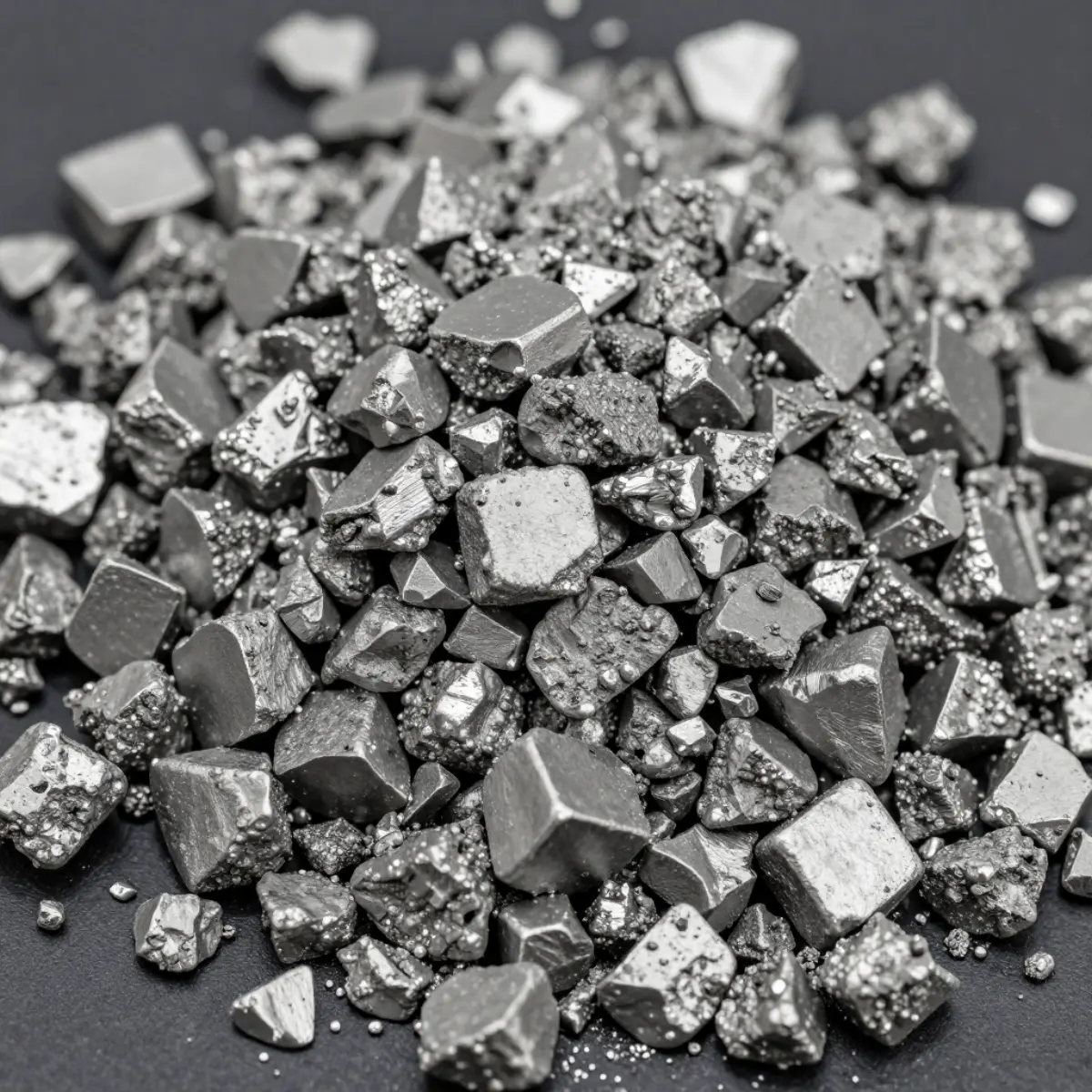
What degrades yield is a shorter list than most charge sheets imagine. Oxidizing conditions are the big one — hot metal, high slag oxygen potential, and additions made before the bath is deoxidized all burn part of the dose into the slag. Temperature and mixing matter: a cold, poorly mixed bath does not take up alloy the way a clean one does. The point of addition is the structural lever — bulk additions in the furnace and ladle carry the yield penalties above, while core or wire addition goes in after the oxidizers are done, which is why wire-based practice recovers the most of what it pays for. And the material itself counts: moisture in a hygroscopic alloy, lumpy versus fragment sizing that changes how fast it dissolves, and lot-to-lot chemistry drift all show up as pickup variation that no formula can see until the heat is analyzed.
So the working practice is a loop, not a number. Start with the planning yields above, run the heats, and record the realized pickup — target versus actual, heat by heat — the same way a receiving lab records CoA-versus-assay. Within a season the plant’s own record replaces the handbook figure, and the charge sheet is corrected against what the furnace actually does, not what the literature says it should. The mills that dosed consistently in our experience are rarely the ones with the best alloys; they are the ones with the best records — and a charge calculation is only as good as the yield data feeding it.