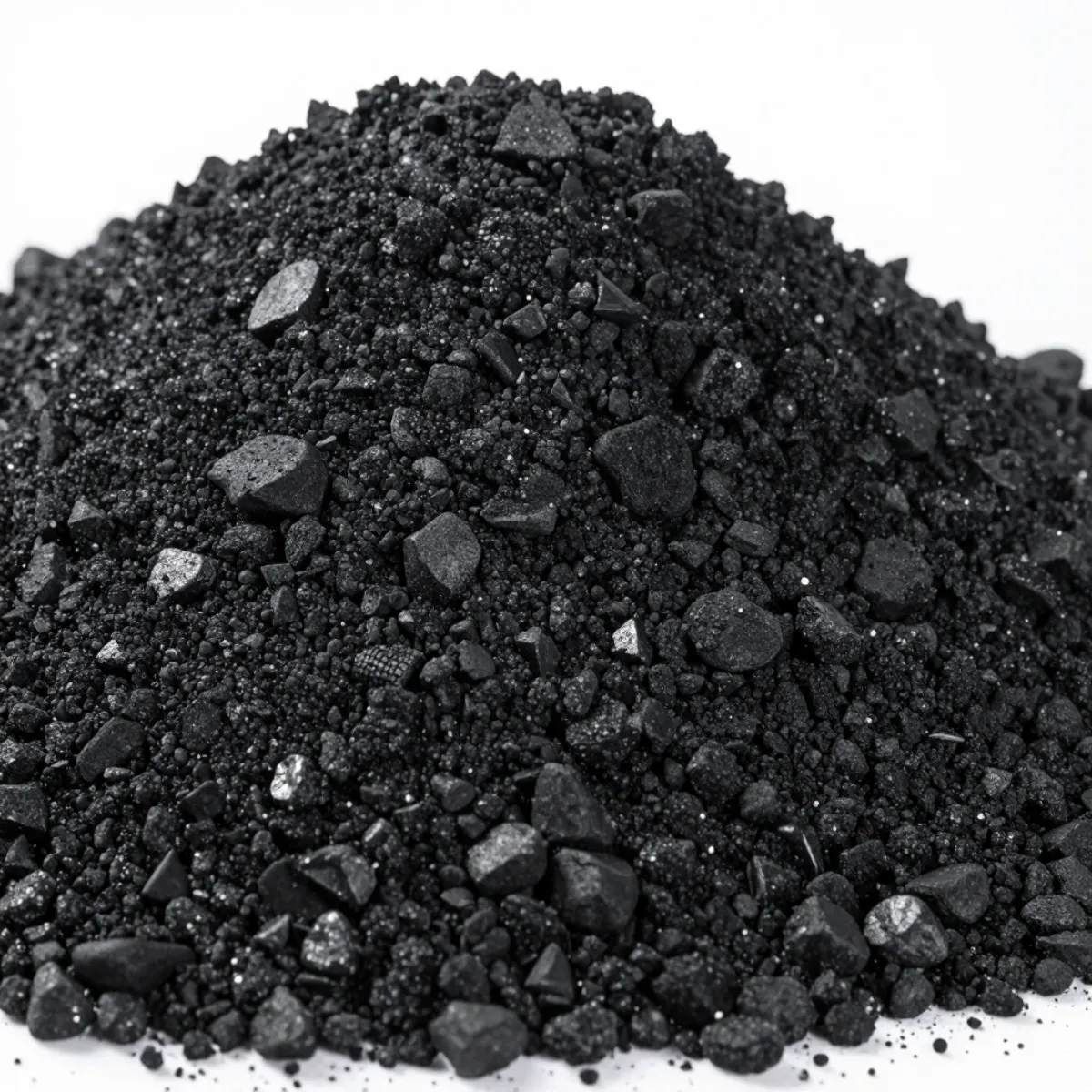
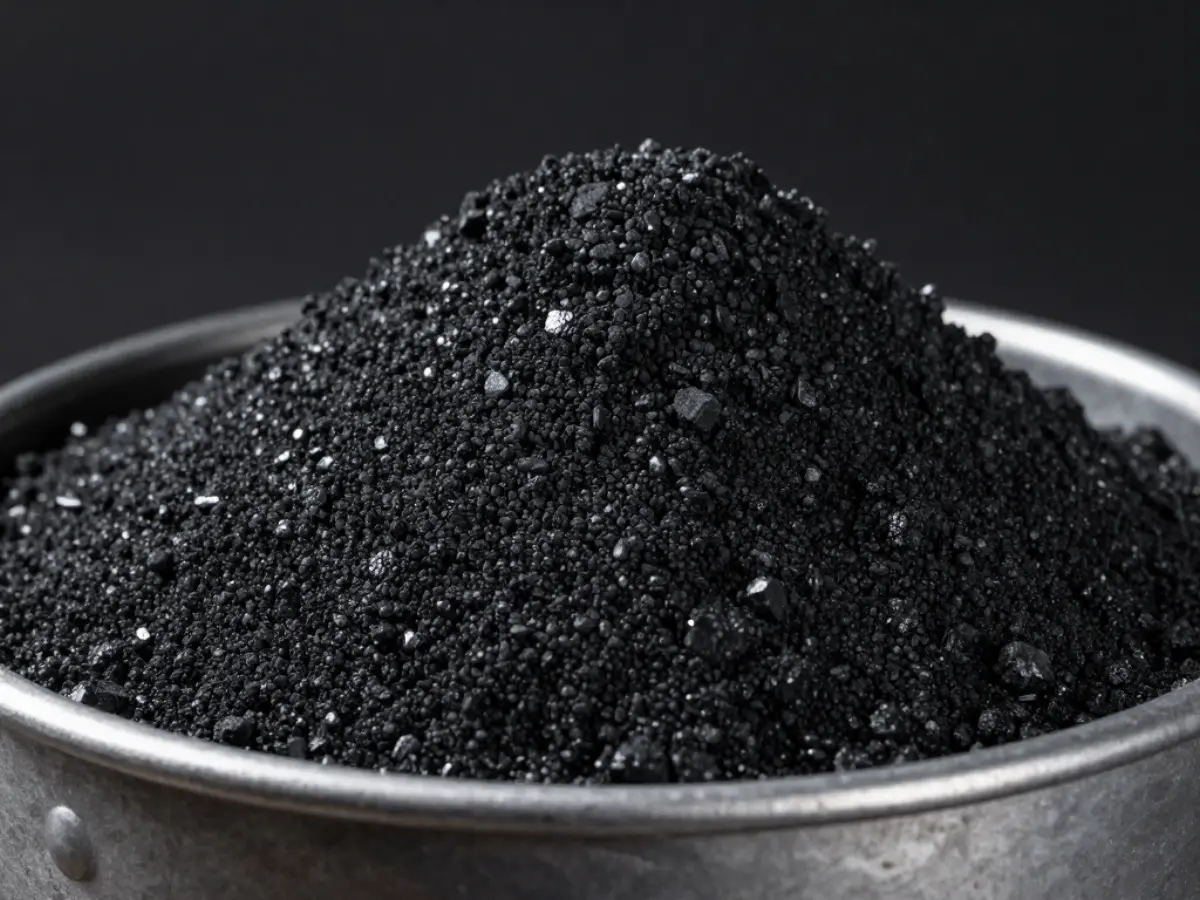
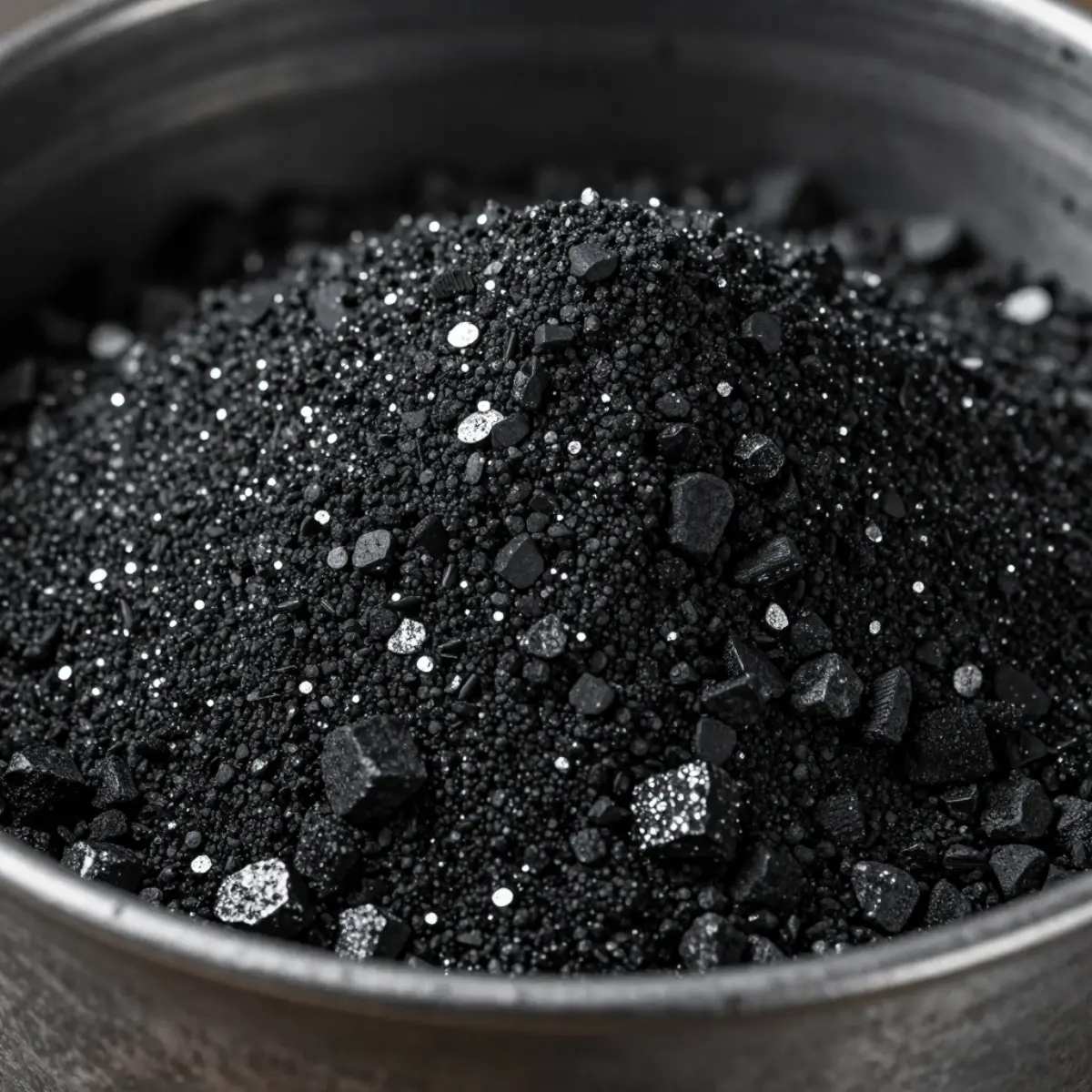
EAF's Rising Share of Steelmaking Tightens the Market for High-Grade Carbon Additives
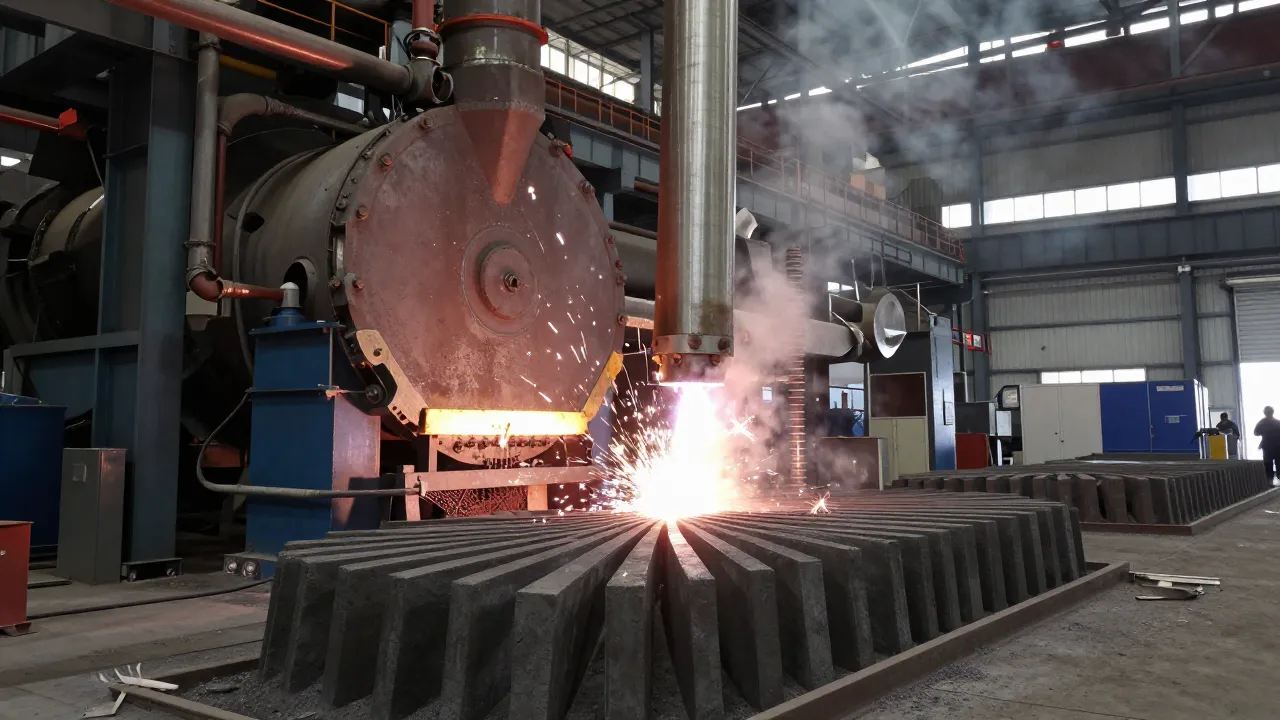
The electric arc furnace has crossed from being a specialist production route to a structural pillar of the global steel industry. With EAFs now accounting for roughly 34 percent of global steelmaking capacity — and with new melt-shop additions concentrated in North America, the Middle East, India, and parts of Europe still ramping — the demand profile for the refining materials that EAF steelmaking consumes is being redrawn. No input illustrates this shift more sharply than carbon additives: the recarburizers and graphite petroleum coke that set the carbon content of a heat, stabilize slag foaming, and give EAF operators the metallurgical headroom that scrap-based melting requires.
That demand is now colliding with a supply side that is not growing at the same pace, and the resulting tightness is filtering directly into procurement strategy. For steelmakers, the carbon-additive purchase is evolving from a routine auxiliary buy into a category that deserves the same specification discipline applied to ferroalloys — a shift that specification-first platforms such as steelrefiningmaterials.com, operated by KHAKI TRADING CO., LIMITED, are positioned to serve. The platform catalogs 32 product categories spanning ferroalloys, deoxidizers, carbonizers, refractories, aluminum products, silicon carbide, core wire, covering agents, and auxiliary materials, in 17 languages, for steelmakers in more than 80 countries.
The chemistry premium is tightening supply
The tightness is most acute at the high end of the specification range. Demand for low-sulfur, low-nitrogen metallurgical graphite petroleum coke (GPC) rose an estimated 12.7 percent year over year in the first half of 2026, according to trade data compiled for this report, and the growth is concentrated precisely where EAF production is expanding. The reason is chemical: high-quality recarburizers minimize the sulfur and nitrogen pickup that would otherwise force downstream corrections, so as steelmakers chase cleaner, more consistent heats, the specification bar for carbon additives rises with it.
Global supply of high-grade GPC, however, remains structurally tight. Calcination capacity for premium petroleum coke grades is concentrated and slow to expand, feedstock availability is subject to the same refinery economics that drive the broader carbon market, and logistics constraints add lead time to what is already a globally sourced material. The result is a market in which the lowest-priced carbon additive is rarely the available one — and in which buyers who insist on tight sulfur, nitrogen, and particle-size tolerances face the most constrained sourcing environment.
Steelmakers are securing carbon-additive supply
The response from the buy side is visible in procurement behavior. Rather than relying on spot purchases for a category whose off-spec risk shows up as downgraded steel, a growing number of steelmakers are moving carbon additives onto qualified-supplier programs, with fixed chemistry windows, documented sizing, and a coherent shipment record. The commercial logic mirrors what the industry has already done for ferrochrome, ferrosilicon, and other alloy inputs: consistency is a cost lever, because every heat that must be corrected for an off-spec input carries both a yield penalty and a scheduling penalty.
On specification-first platforms, that discipline is built into the listing rather than negotiated after the fact. The GPC recarburizer and carbonizer categories, alongside silicon carbide as a complementary carbon-and-silicon input, are published with standardized chemistry, sulfur and nitrogen limits, and sizing data that a steelmaker’s quality team can evaluate before an inquiry is placed — converting a tight market from a sourcing risk into a specification exercise.
Outlook
The structural direction is clear. EAF capacity continues to grow, scrap-based steelmaking is gaining share in every major region, and the carbon-additive specification bar keeps rising as downstream buyers demand cleaner, more consistent steel. Those conditions point to sustained demand for high-grade GPC and sustained pressure on the suppliers who can actually deliver it. For steelmakers, the practical question is no longer whether to secure carbon-additive supply, but which channel can hold the specification steady through a tight market — which is exactly the question that documentation-disciplined, specification-first sourcing is designed to answer.