Aluminum Deoxidation Techniques in Steelmaking
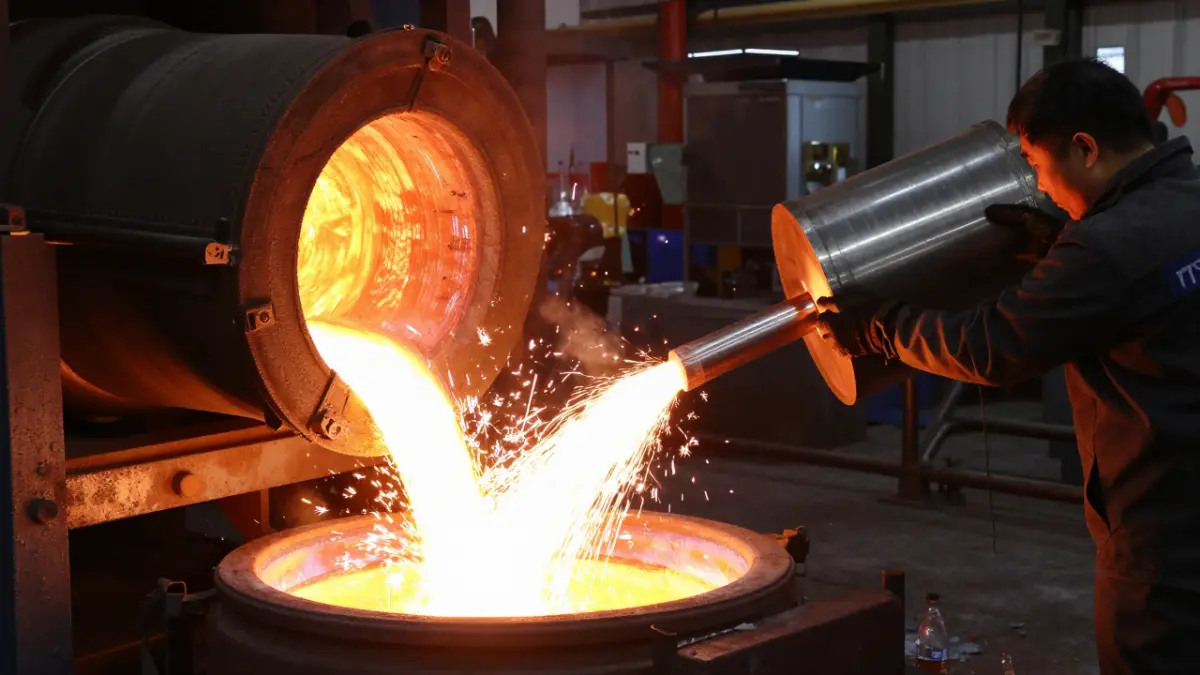
Aluminum remains the most widely used deoxidizer in steel production, valued for its strong affinity for oxygen and its role in controlling inclusion morphology. The choice of aluminum form and the method of introduction have a significant impact on deoxidation efficiency, aluminum yield, and final steel cleanliness. Understanding the available techniques helps steelmakers optimize their killing practice for different steel grades and casting configurations.
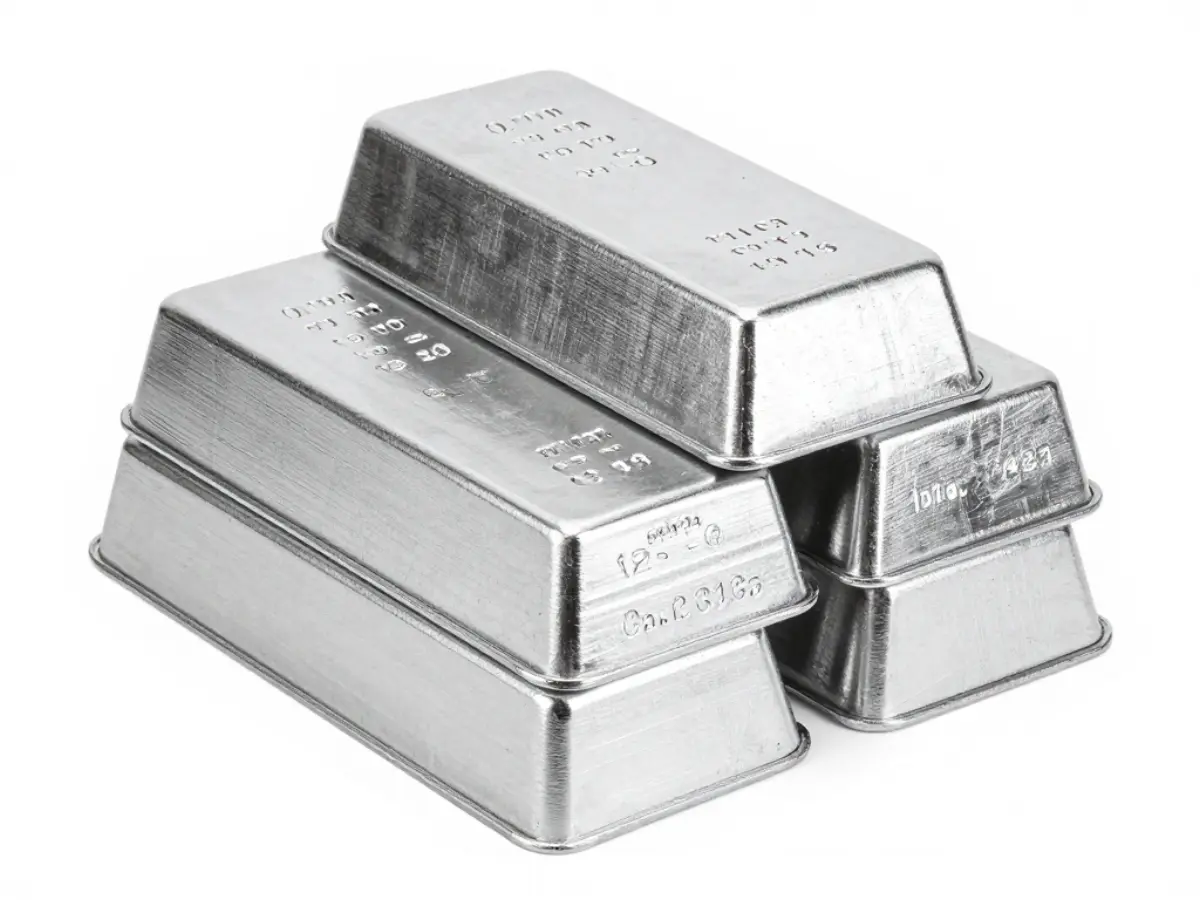
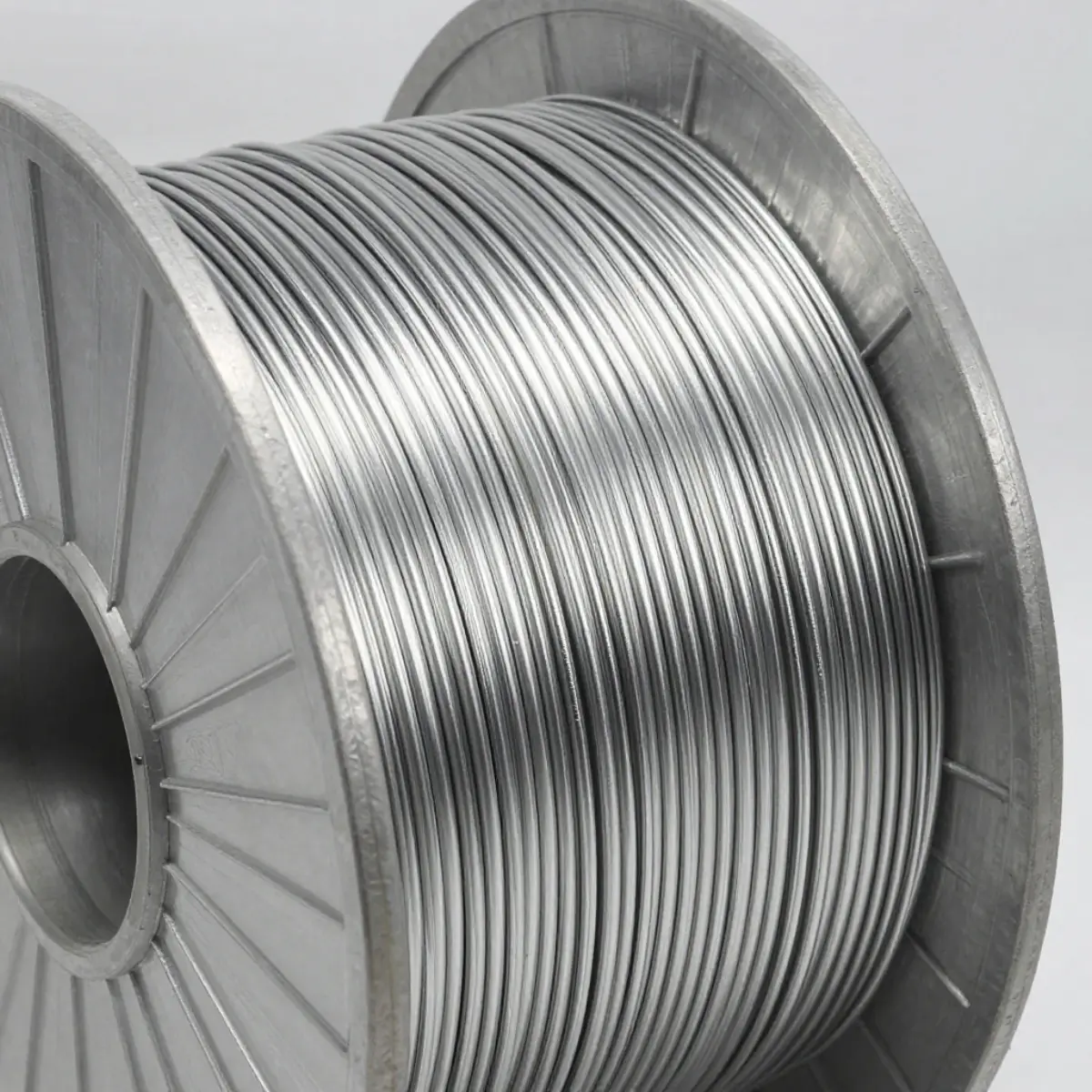
Aluminum ingots are the traditional form for bulk deoxidation, typically added to the ladle during tapping. This approach is straightforward and cost-effective for large heats, but aluminum recovery can be inconsistent because much of the aluminum floats to the surface and oxidizes on contact with air or slag. For this reason, ingot addition is usually combined with a slag-covering practice to minimize re-oxidation. Aluminum wire feeding offers more precise control: the wire is injected below the bath surface, which dramatically improves yield and allows the operator to target a specific dissolved aluminum content. Wire feeding is the preferred method for aluminum-killed grades where tight control of soluble aluminum is necessary for downstream formability.
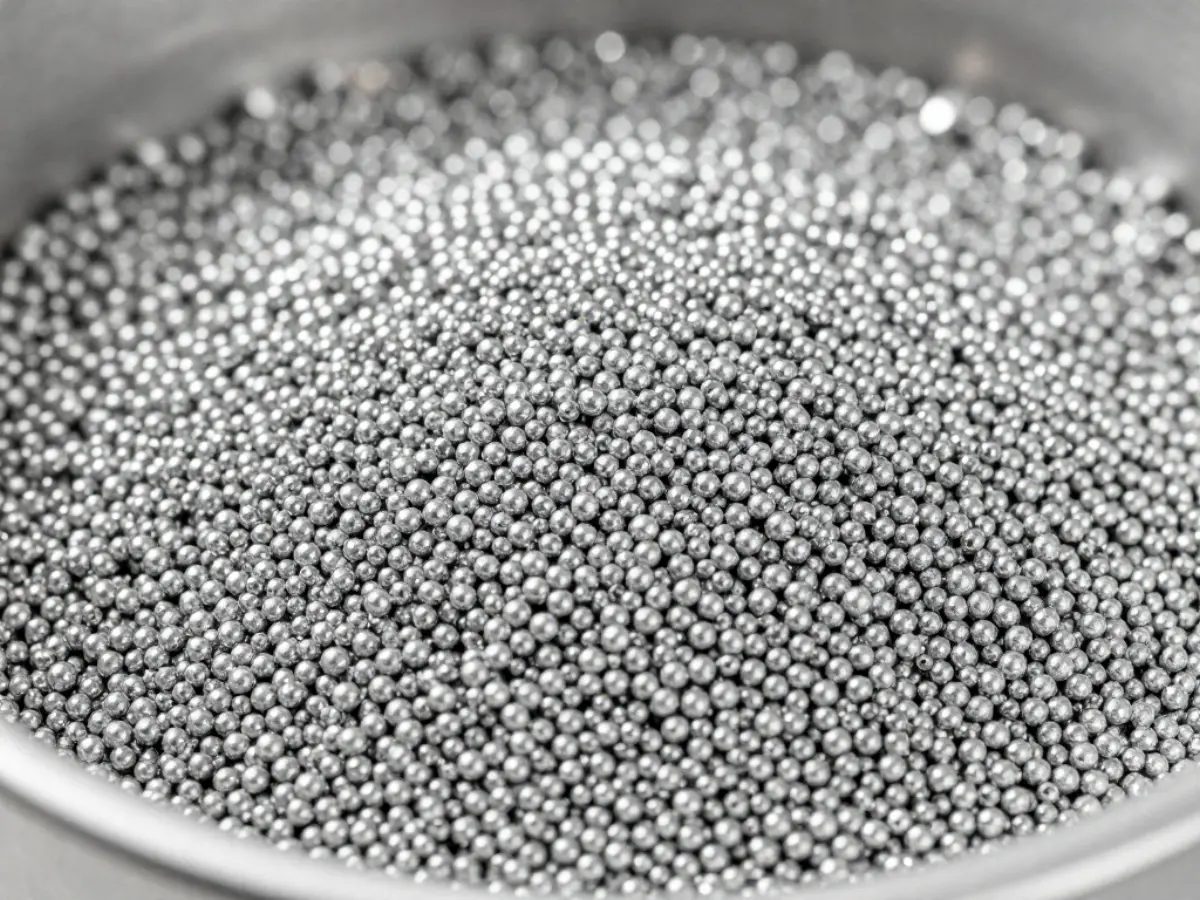
Aluminum particles represent a middle ground, offering faster dissolution than ingots with simpler handling than wire feeding systems. They are particularly effective when combined with argon stirring, which distributes the aluminum rapidly throughout the melt. For specialty steels requiring very low oxygen content (below 15 ppm total oxygen), a two-stage approach is often used: bulk deoxidation with ingots or particles followed by fine-tuning with wire to hit the target dissolved aluminum window.
The key to any aluminum deoxidation strategy is matching the addition method to the steel grade requirements and the available ladle metallurgy infrastructure. Investing in wire feeding capability pays off quickly for mills producing aluminum-killed sheet or automotive grades, while ingot addition remains perfectly adequate for many structural and rebar products.