Manganese Alloy Applications in Steel Production
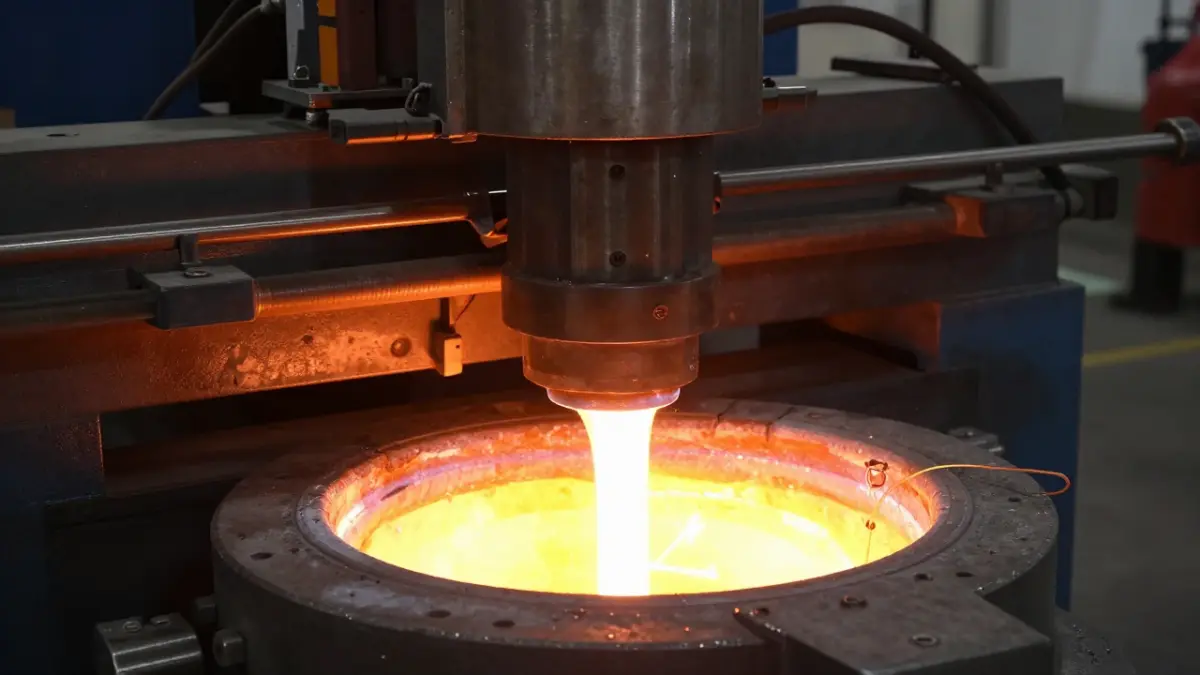
Manganese is the most widely used alloying element in steel production, present in virtually every grade from simple carbon steels to advanced high-strength automotive steels. Manganese serves three critical functions in steelmaking: it is a powerful deoxidizer that ties up dissolved oxygen, it combines with sulfur to form harmless manganese sulfide inclusions instead of iron sulfide (which causes hot shortness), and it acts as a solid-solution strengthener that increases both hardness and tensile strength. These multiple roles make manganese alloys — primarily ferromanganese (FeMn) and silicomanganese (SiMn) — indispensable additions in virtually every steelmaking operation.
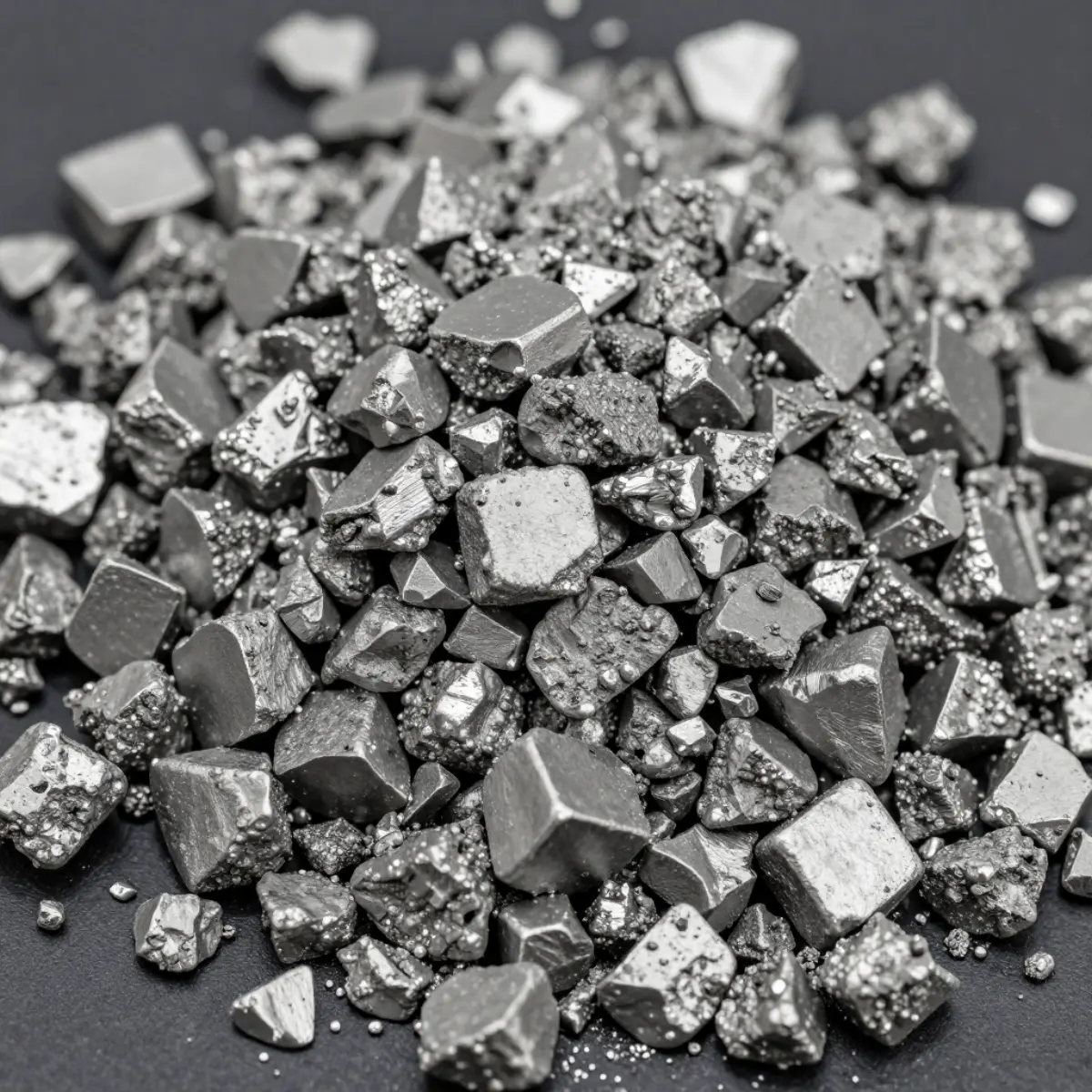
High-carbon ferromanganese (HC FeMn), typically containing 74 to 82 percent manganese and 6 to 8 percent carbon, is the workhorse grade for bulk manganese addition. It is added to the ladle during tapping or in the ladle furnace station, where its high density ensures rapid dissolution below the bath surface. For steels that require strict carbon control — such as electrical steels, stainless steels, or ultra-low-carbon automotive grades — medium-carbon ferromanganese (MC FeMn, around 1.5 percent carbon) or low-carbon ferromanganese (LC FeMn, below 0.5 percent carbon) are used instead, though at significantly higher cost. The choice of grade depends on the balance between manganese recovery, carbon pickup tolerance, and the overall cost structure of the heat.
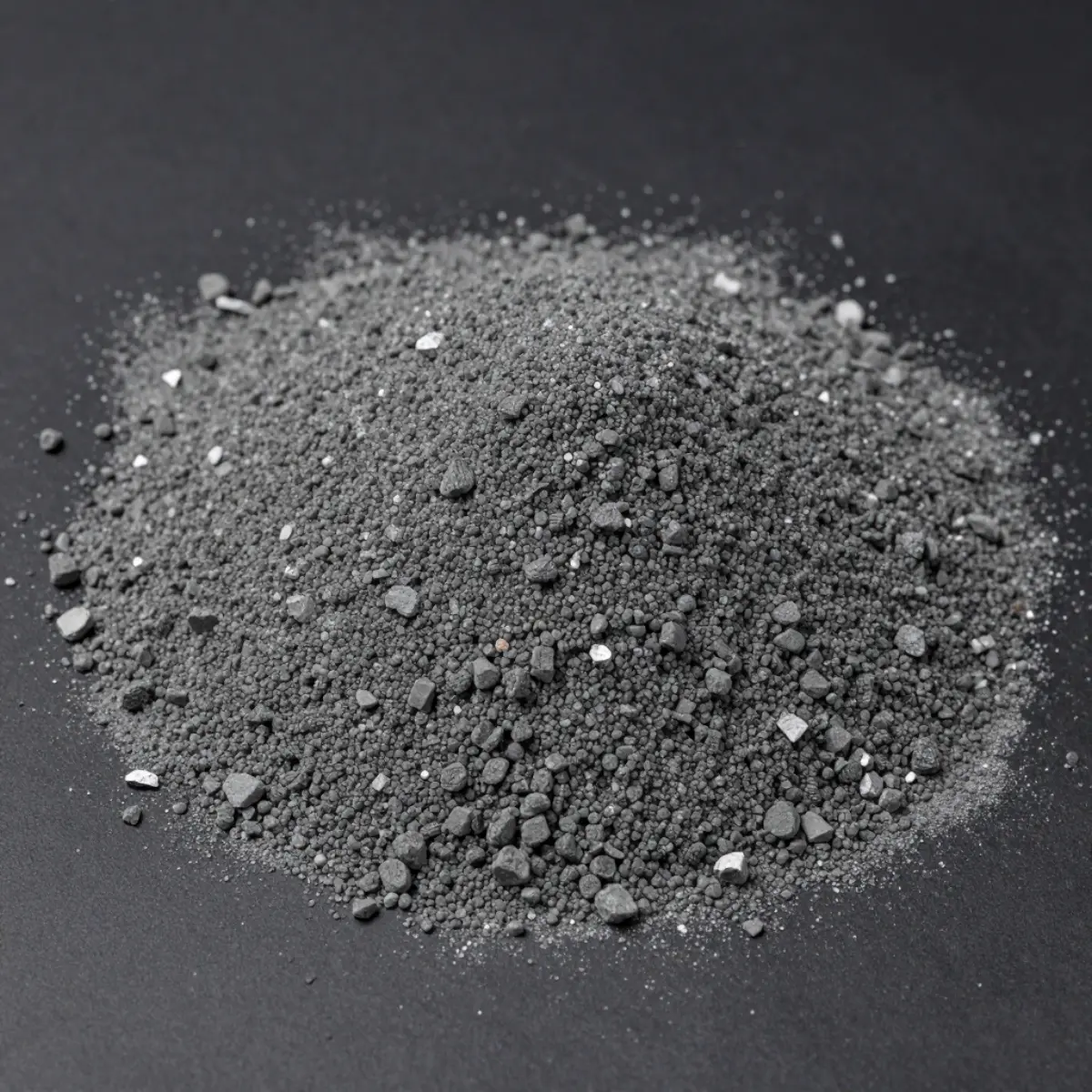
Silicomanganese, typically containing 65 to 68 percent manganese, 14 to 18 percent silicon, and about 2 percent carbon, offers a unique combination of deoxidation and alloying in a single addition. The silicon content provides strong deoxidation power (comparable to ferrosilicon), while the manganese contributes both deoxidation and alloying simultaneously. This dual function makes SiMn particularly attractive for producing killed steels where both elements are needed in the final chemistry. Many steelmakers use SiMn as their primary manganese source and adjust the silicon balance with additional ferrosilicon as needed, which simplifies inventory management and reduces the number of additions required.
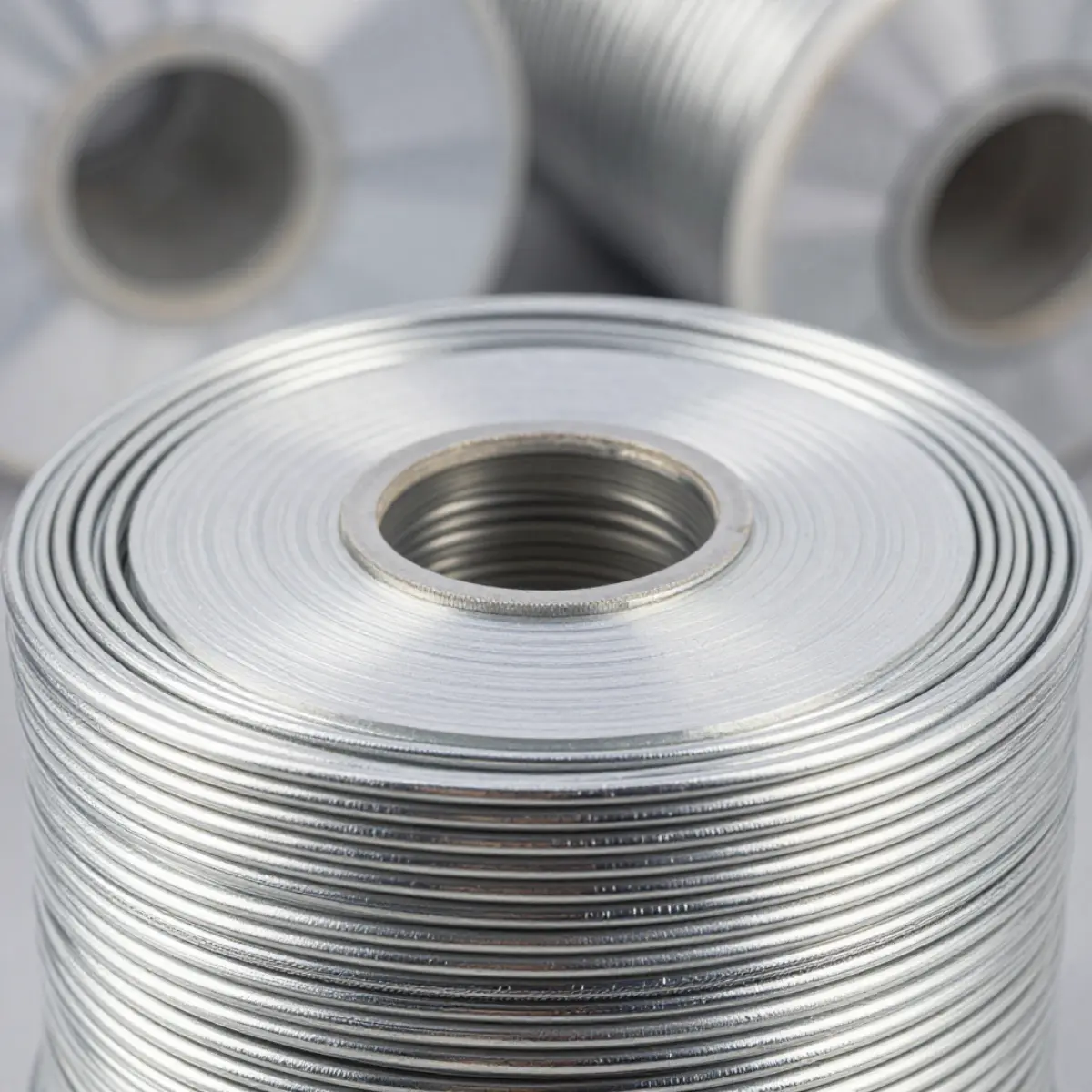
For precise chemistry control, especially in high-grade steels where tight manganese windows must be maintained, core-wire injection of manganese-bearing powders offers the most accurate delivery method. The wire is fed below the bath surface using a wire feeder, which provides nearly 100 percent recovery compared to the 70 to 90 percent recovery typical of bulk lump additions. This method is particularly valuable for final chemistry adjustments in the ladle furnace or vacuum degasser, where hitting the target manganese content precisely can mean the difference between meeting and missing the grade specification.