Guide de sélection du carburant pour la sidérurgie
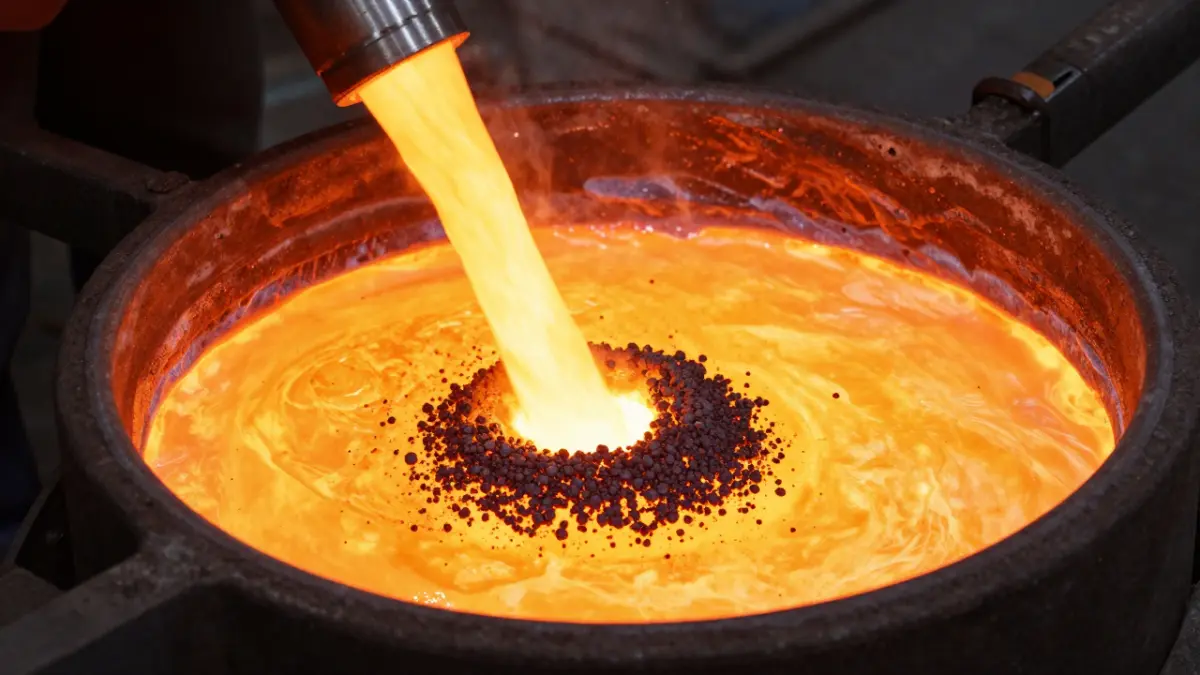
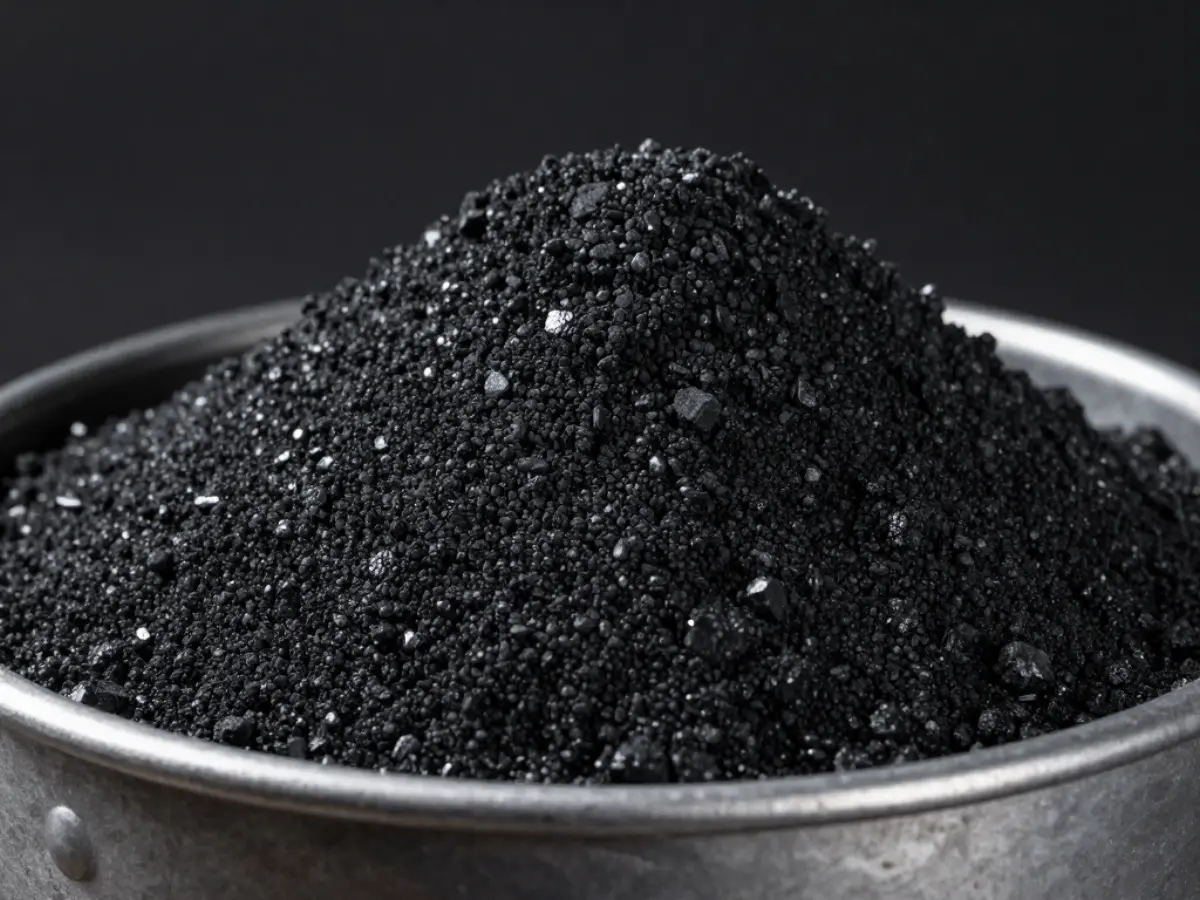
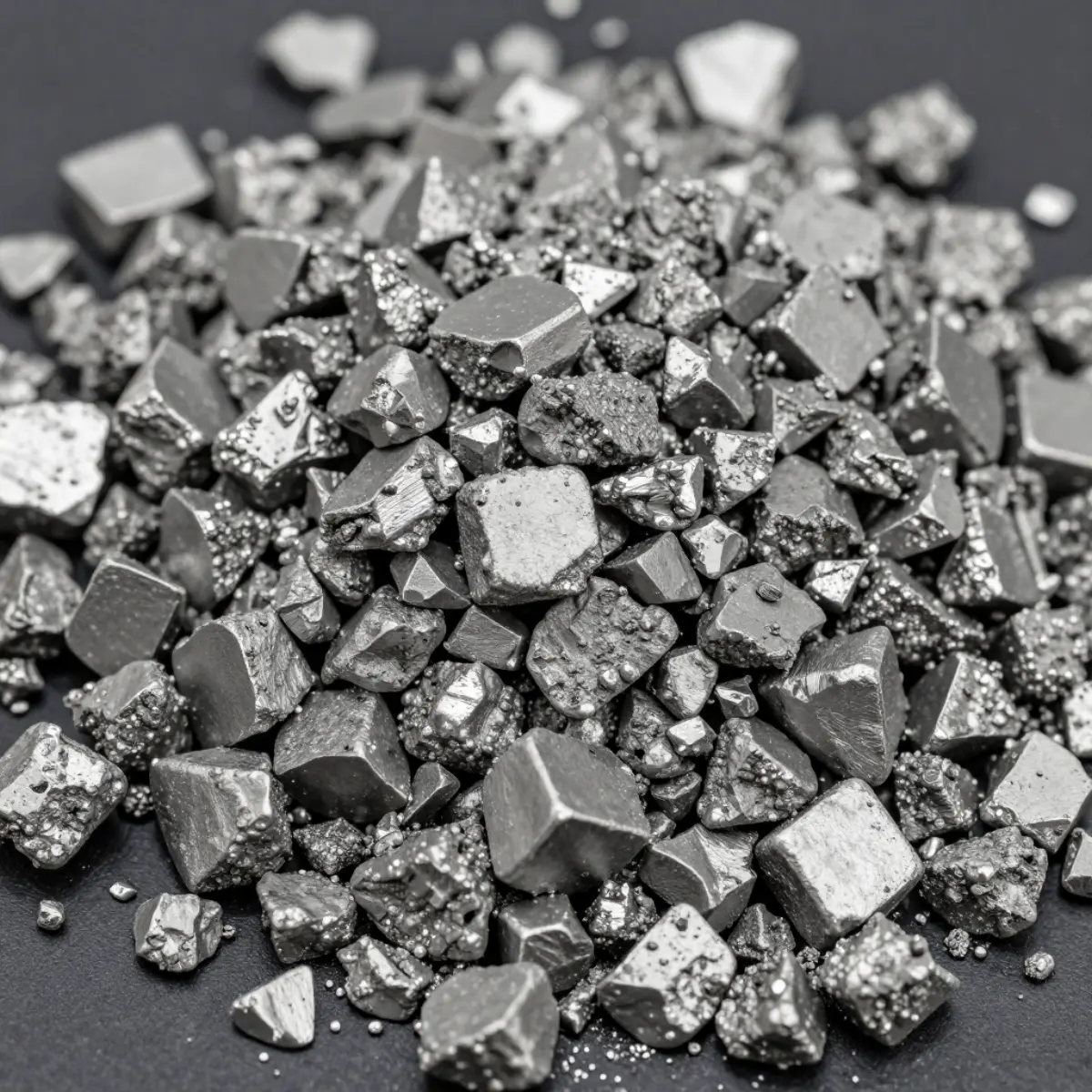
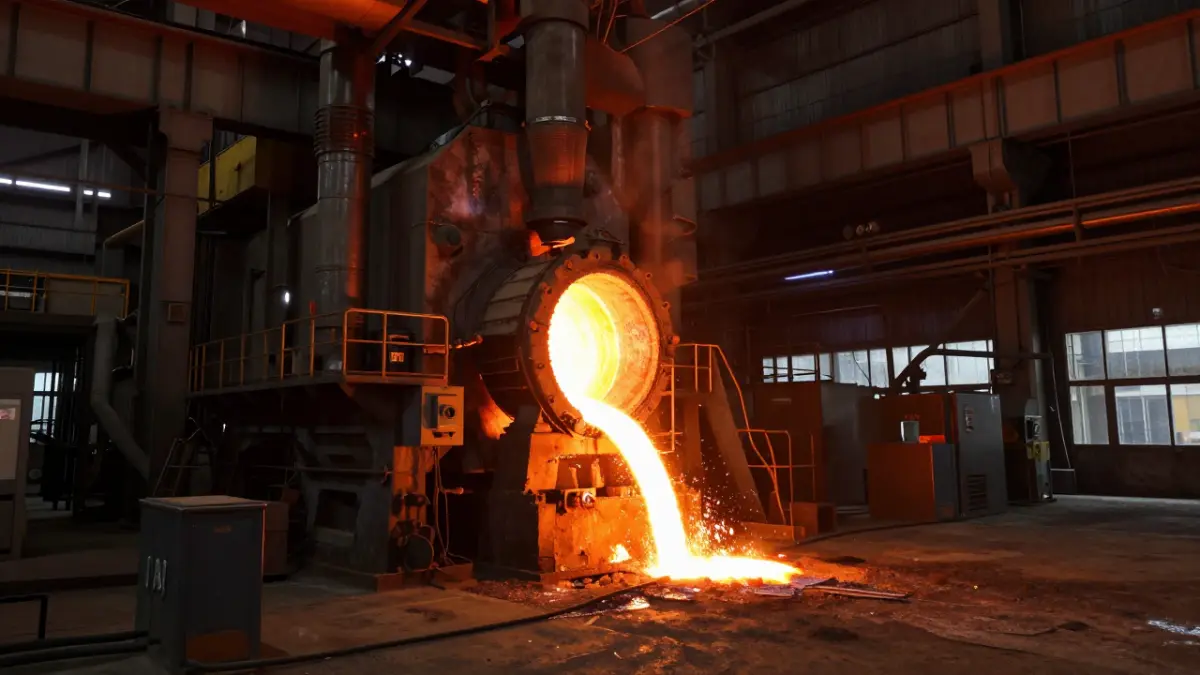
Selecting the right carbonizer for steelmaking is not simply a matter of finding the cheapest source of carbon. The carbonizer you choose directly affects carbon recovery rates, steel cleanliness, and final heat chemistry. For electric arc furnace (EAF) operators, the carbonizer must dissolve efficiently into the bath during meltdown and refining, while ladle furnace applications demand a product that provides predictable carbon pickup without introducing undesirable residual elements.
The three primary selection criteria are fixed carbon content, sulfur level, and particle size distribution. High fixed carbon content (typically above 95%) minimizes the volume of material needed and reduces ash generation, which in turn lowers slag volume and improves yield. Sulfur is the critical contaminant to watch: carbonizers with sulfur content above 0.5% can push final steel sulfur levels outside specification, especially in low-grade structural steels where post-refining desulfurization capacity is limited.
Particle size matters more than many procurement teams realize. Coarse granules (5-15 mm) are suited for EAF charge carbon where slower dissolution is acceptable, while finer grades (1-5 mm) dissolve faster and are preferred for ladle furnace carbon adjustment. The wrong size for your application means either sluggish carbon pickup requiring longer treatment time, or excessive fines that get entrained in the off-gas system before they can dissolve. Matching particle size to your furnace type and treatment window is a straightforward way to improve carbon yield and reduce waste.
For operations running both EAF and ladle furnace treatment, consider sourcing two dedicated grades rather than trying to make a single product work across both processes. The incremental procurement complexity is offset by better process control and lower total carbon consumption per heat.