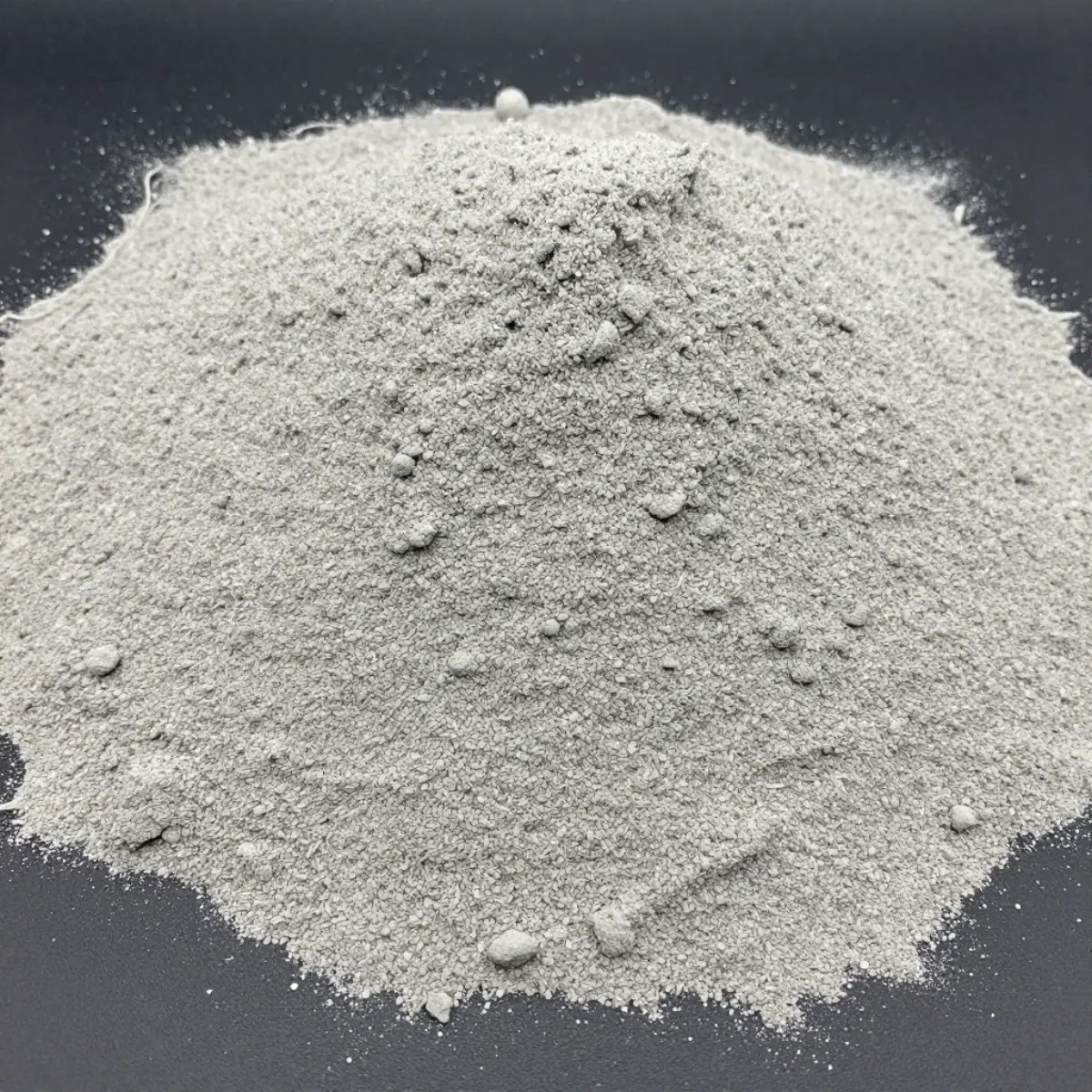
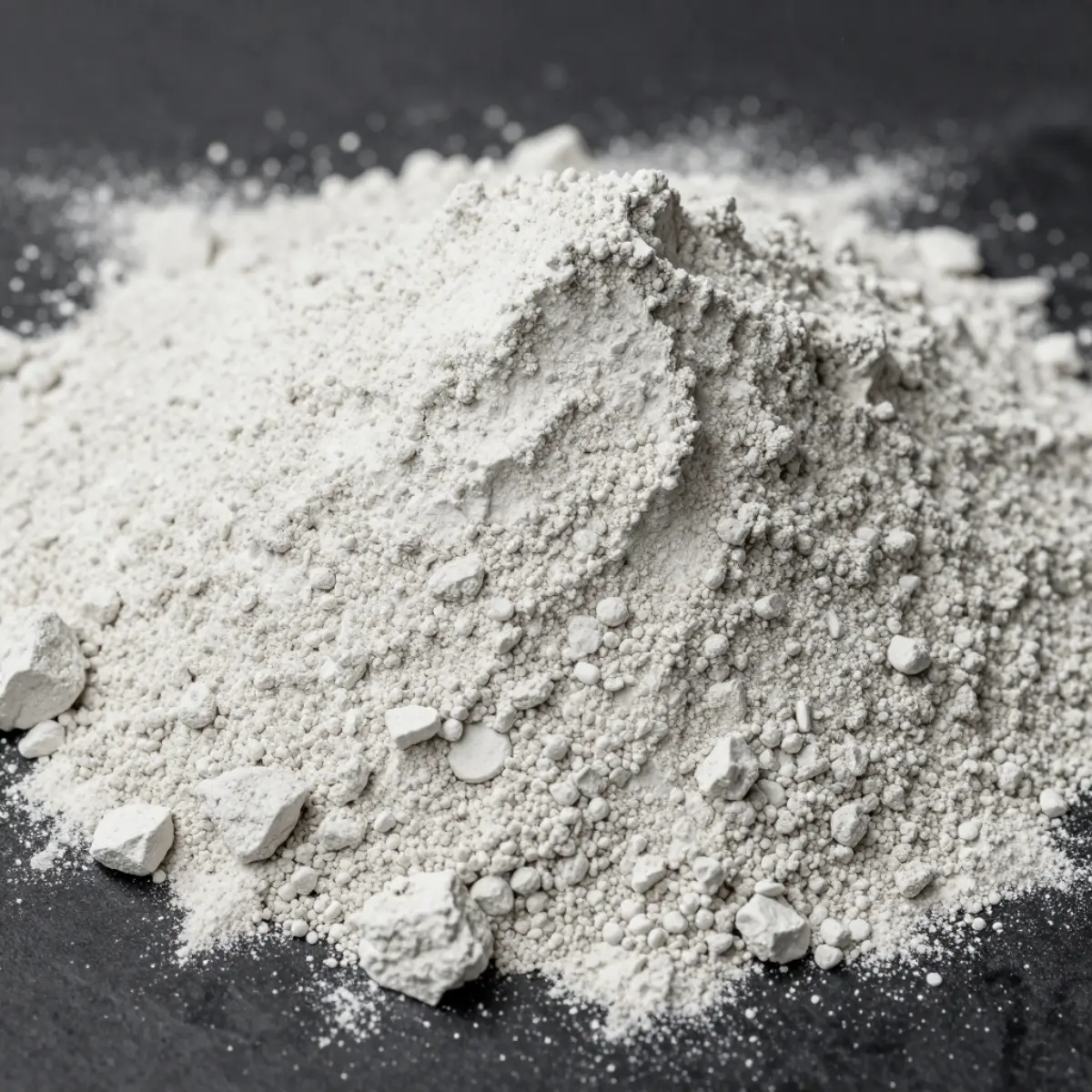
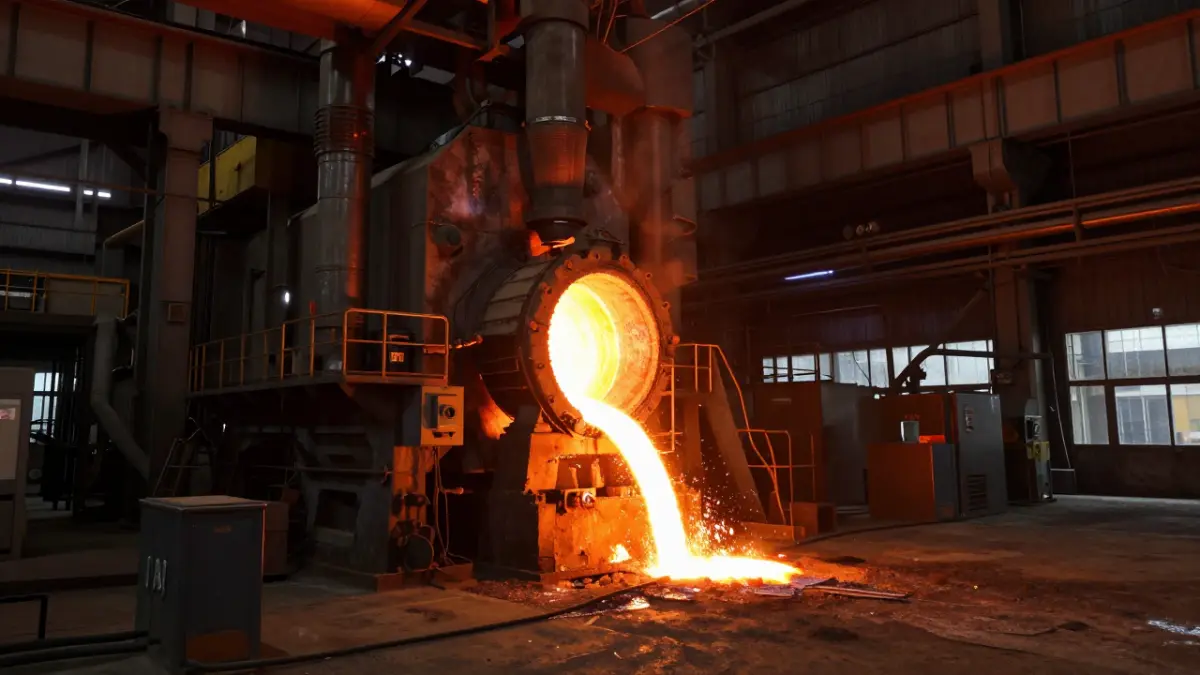
Meilleures pratiques pour l'utilisation d'agents de couverture en métallurgie de poche
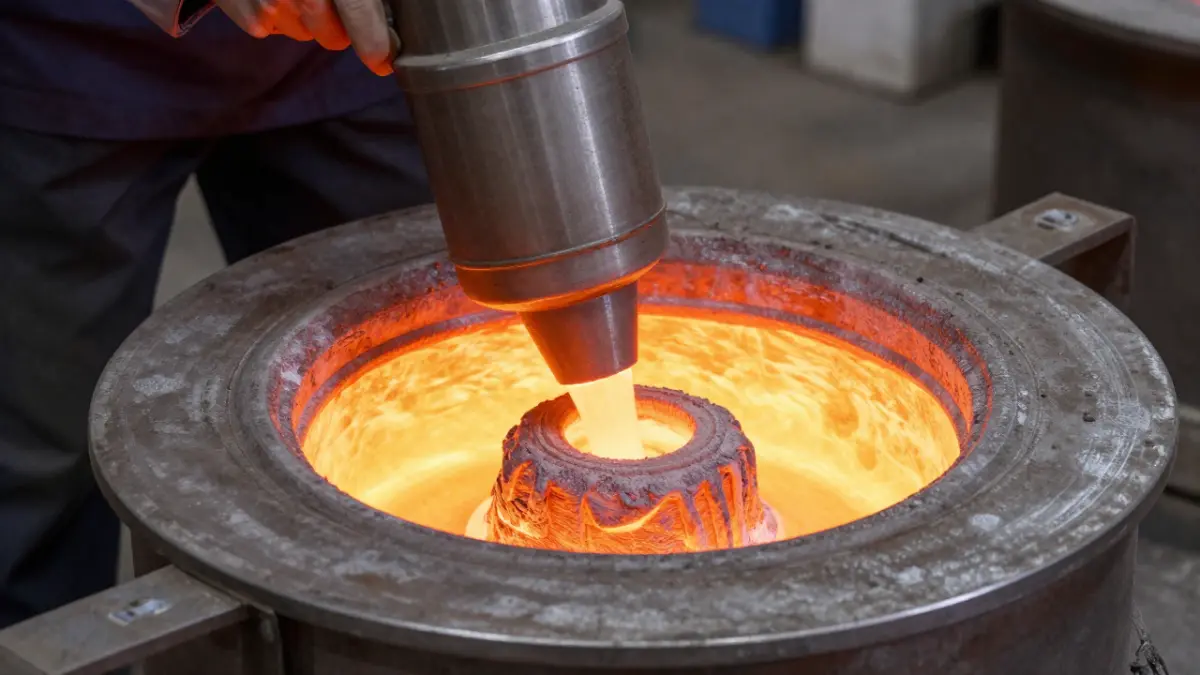
Covering agents serve a dual purpose in ladle metallurgy: they form a physical barrier that prevents air re-oxidation of the steel surface, and they provide thermal insulation that reduces heat loss during transport and treatment. Despite their simplicity compared to alloy additions, the choice and application of covering agent has a measurable impact on final steel cleanliness and temperature control, particularly for aluminum-killed grades that are susceptible to re-oxidation.
The primary selection criteria for a covering agent are melting behavior, spreading characteristics, and chemical compatibility with the underlying refining slag. A good covering agent should melt at a temperature that allows it to form a continuous liquid layer on the slag surface quickly, without being so fluid that it mixes into the active refining slag below. Expanding-type covering agents that generate a foam or crust layer are particularly effective for thermal insulation, as the trapped gas bubbles reduce heat transfer. The chemical composition should be non-reactive with the steel: acidic covering agents can reverse desulfurization by lowering slag basicity at the interface, while high-carbon covering agents may contribute unwanted carbon pickup in ultra-low carbon grades.
Application timing matters as much as product selection. The covering agent should be added as soon as the refining slag has been established and the primary deoxidation addition has been made. Delaying the covering addition exposes the steel surface to air at the most critical moment, when dissolved aluminum levels are highest and re-oxidation is most vigorous. For long holding times (more than 20 minutes between tapping and casting), a second covering addition may be needed if the initial layer has broken down or been consumed by slag-metal reactions.
The interaction between covering agent and tundish covering practice is worth considering for continuous casting operations. A covering agent that generates excessive dust or fume can create visibility and housekeeping problems on the casting platform, and any covering agent residue that enters the tundish via the ladle stream may interfere with tundish flux performance. Specifying a low-dust covering agent and controlling the addition quantity to the minimum effective level are practical measures that improve both steel quality and working conditions.