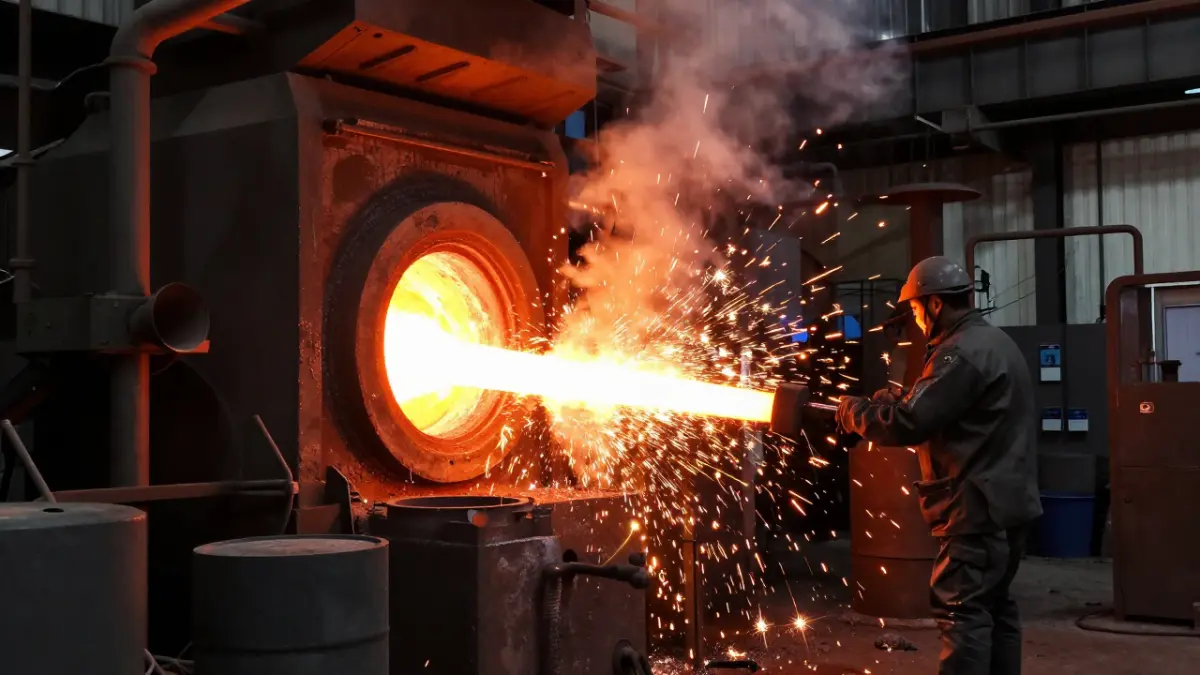
China's Output Controls Meet Record Ferroalloy Supply as Prices Find Their Floor
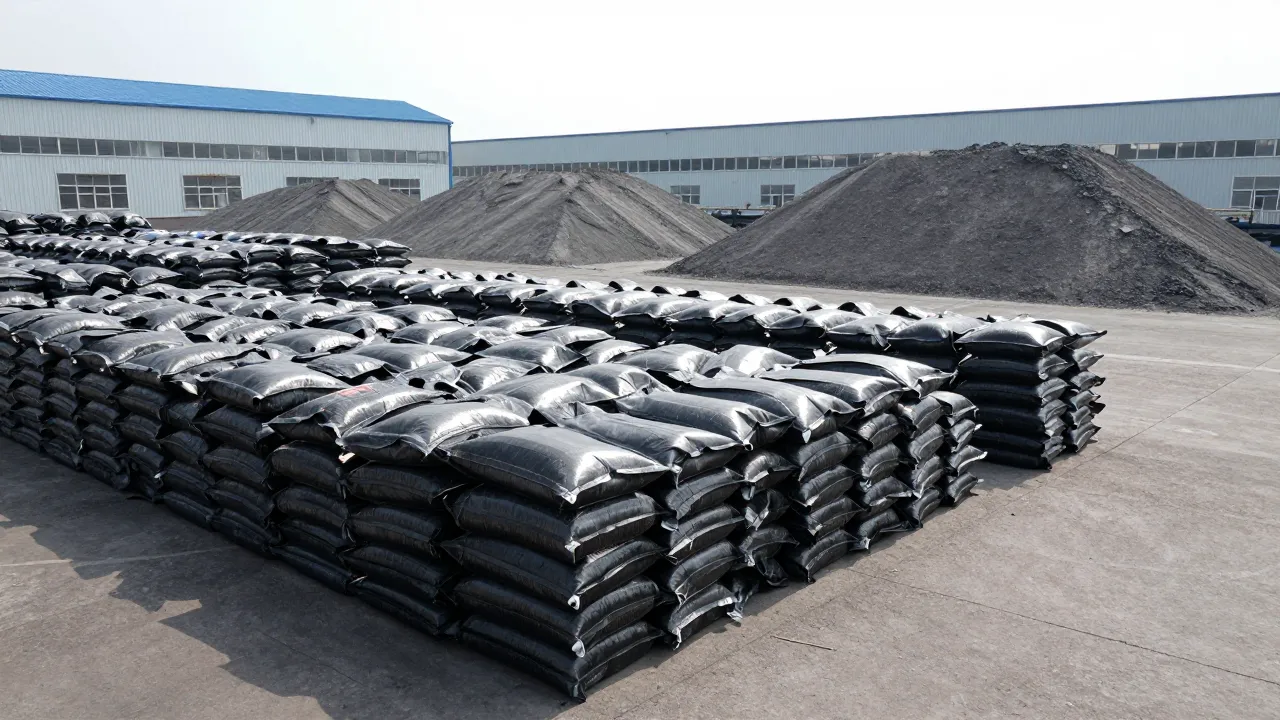
China’s ferroalloy market has spent 2026 searching for a floor, and the evidence is now pointing to where it will settle. On the demand side, Beijing’s anti-involution campaign has translated into output discipline that includes a cut of roughly 20 million tonnes of crude-steel capacity, trimming the domestic appetite for alloy inputs. On the supply side, Inner Mongolia — the country’s dominant ferroalloy-producing region — delivered a record 17.63 million tonnes of ferroalloys in 2025, leaving the market long just as demand was being deliberately constrained. The collision of those two forces is producing the price pattern traders describe as low in the first half, high in the second.
For regional buyers, the pattern matters more than the absolute level. Ferroalloy prices that have been pressed down by a supply glut and restrained demand create a natural restocking window — provided buyers can time procurement against the turn. That window, and the logistical conditions that accompany it, is reshaping how mills and foundries across Southeast Asia, South Asia, and the Middle East are planning their second-half purchases.
Output discipline meets record supply
The demand-side story is a policy story. China’s anti-involution push — the campaign to wind down uneconomic production and end the price war that had kept margins across the steel chain under pressure — has taken concrete form in capacity and output controls that include the roughly 20-million-tonne crude-steel cut. Because ferroalloy consumption is closely tied to crude-steel production, the cut flows directly into alloy demand, and the timing has coincided with the ramp-up of new alloy capacity in the north.
The supply-side story is a record book. Inner Mongolia produced 17.63 million tonnes of ferroalloys in 2025, a record that reflects both the region’s raw-material integration — its ore, coal, and power base — and the expansion of smelting capacity along the axis of cheap energy. The result is a market in which supply is abundant, cost-competitive, and concentrated in a single region whose output decisions set the tone for the entire Asian ferroalloy complex.
Low first half, high second half
The price path implied by this configuration is the one the market has been trading: weak in the first half of 2026, firmer in the second. With supply already at record levels and demand constrained by the crude-steel cut, first-half prices were pressed against marginal cost, squeezing the least efficient capacity. As the output discipline bites on the supply side and as restocking demand returns with the autumn production cycle, the balance tightens — the low-first-half, high-second-half pattern is the market’s own description of that arc.
The second-half setup favors buyers who can move when the turn comes. Freight costs, which had been a drag on imported material through the first half, are expected to ease in the second half of 2026, widening the landed-cost advantage of regional purchases precisely when restocking begins. For mills and foundries sourcing ferrosilicon, ferromanganese, and calcium silicon, the combination of a price floor and softer freight creates a window for building inventory before the seasonal pickup — a window that specification-first platforms such as steelrefiningmaterials.com, operated by KHAKI TRADING CO., LIMITED, are designed to exploit, with a catalog of 32 product categories in 17 languages serving buyers in more than 80 countries.
Regional implications
The regional implications extend beyond price. A Chinese supply base that is record-sized, cost-competitive, and increasingly disciplined in its output management provides a more predictable source of ferroalloys for regional buyers — provided the sourcing channel can hold specification steady through a volatile pricing environment. Our reporting on a foundry ferrosilicon delivery illustrated how a coordinated specification-and-delivery program protects a buyer from the heat-to-heat variability that a thin market can introduce.
For buyers planning second-half procurement, the message of the current cycle is that the floor is closer than the peak, and that the window between them is where disciplined purchasing is rewarded. China’s ferroalloy market has found the bottom of this cycle not by clearing capacity but by managing it — and for regional buyers, the coming restock window is the practical opportunity that management creates.