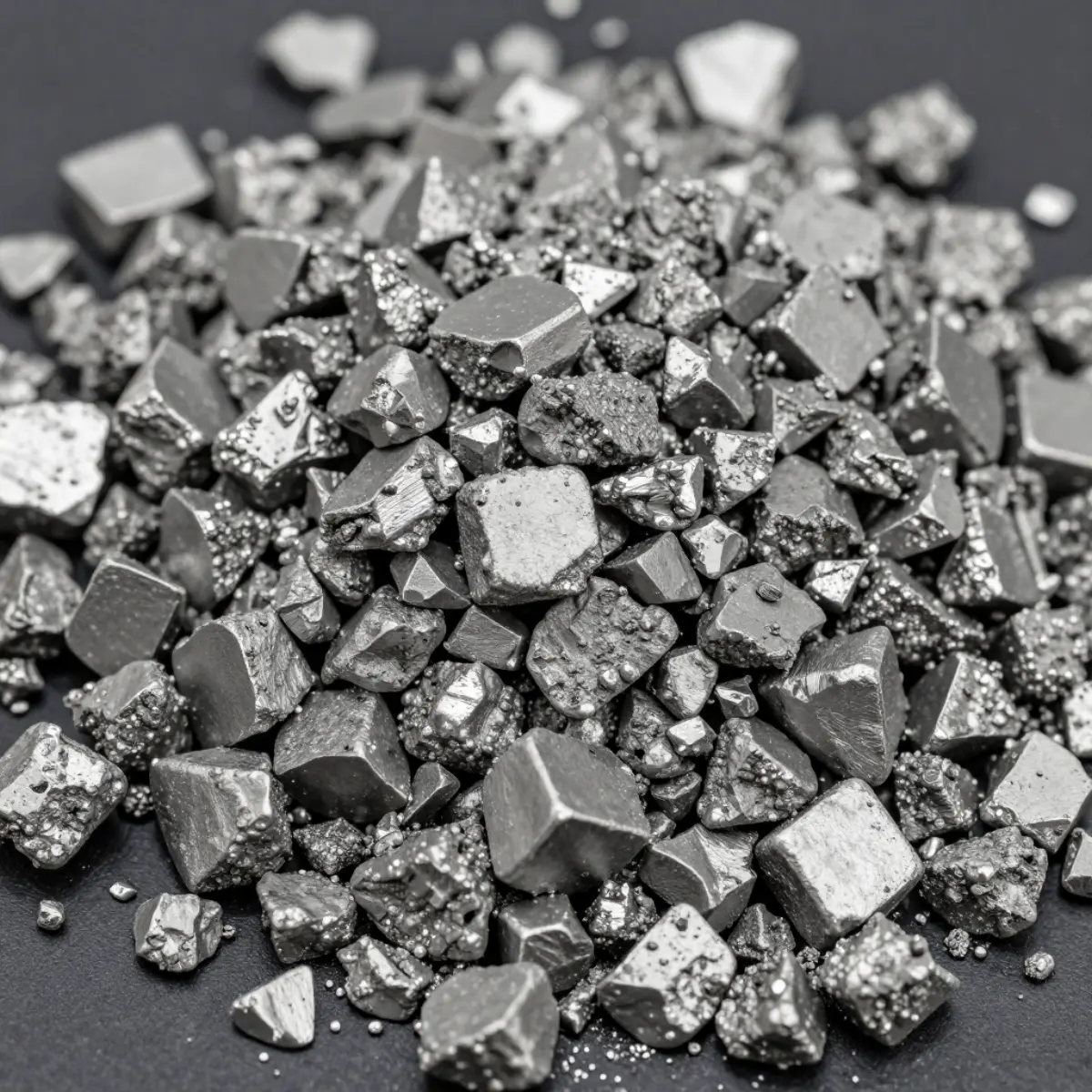
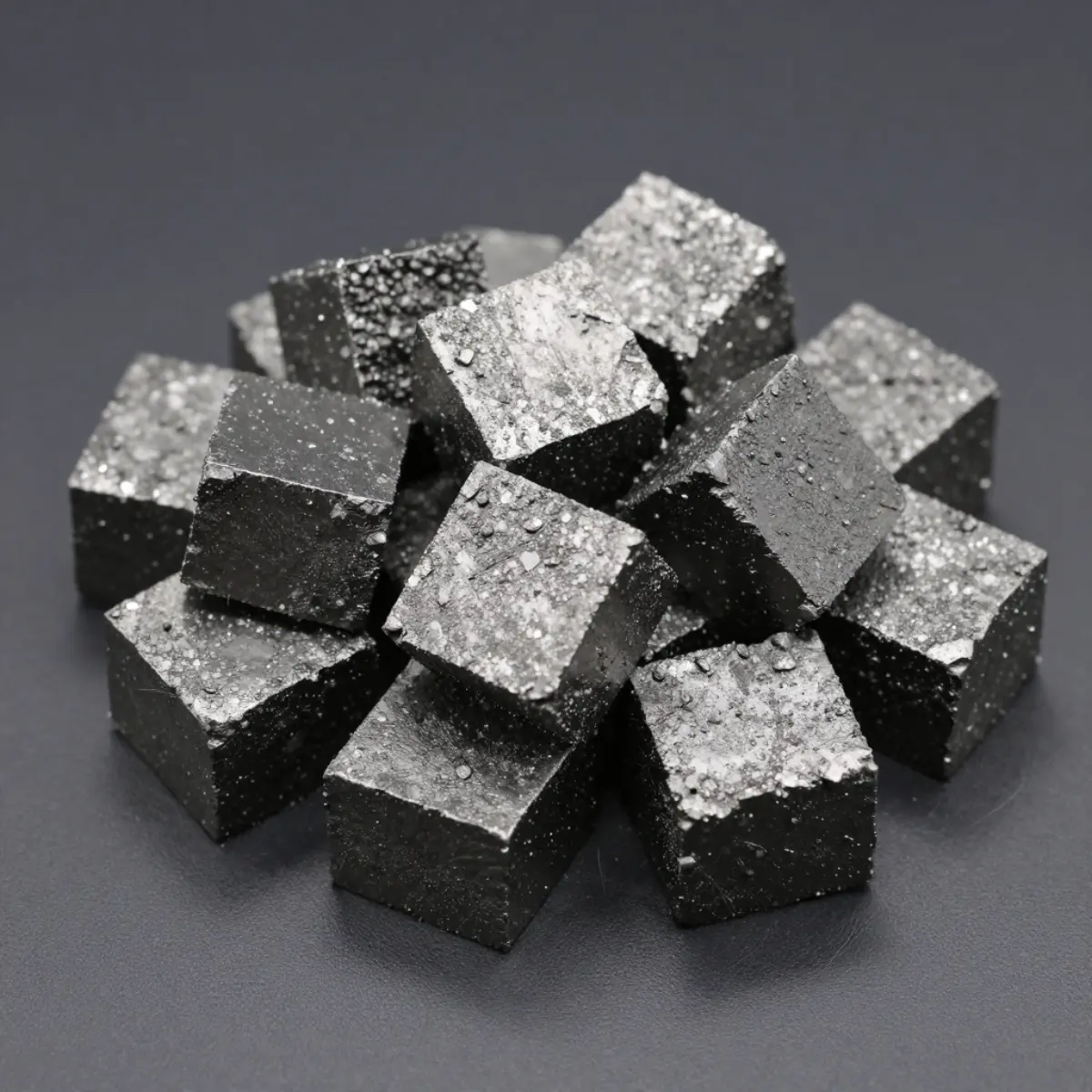
China's Anti-Involution Push & the 2026 Ferroalloy Market: Price Outlook and Sourcing
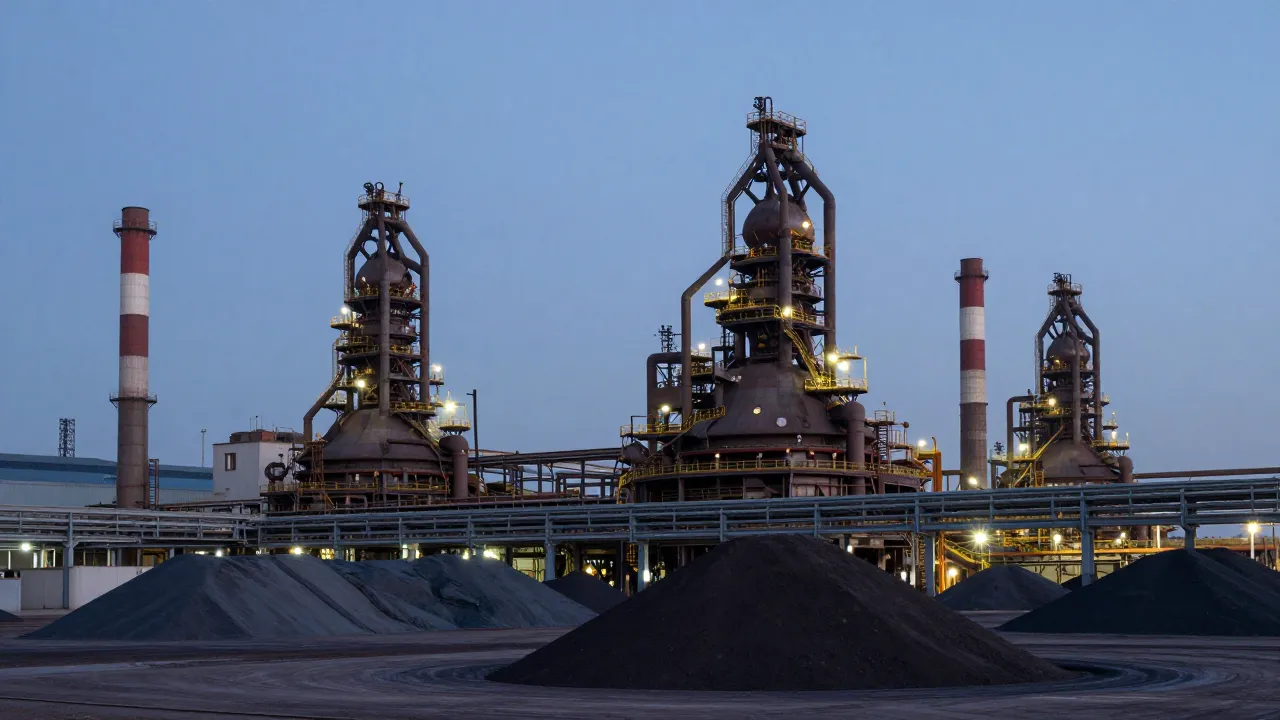
China’s 2026 anti-involution campaign has changed the demand arithmetic for the global ferroalloy market. The policy, aimed at curbing loss-making competition and overcapacity in heavy industry, is tied to a crude-steel output reduction on the order of 20 million tonnes for the year. Because ferroalloys are consumed almost entirely by the steel sector, a cut of that size removes a meaningful slice of domestic demand for ferromanganese, ferrosilicon, and vanadium-nitrogen alloy. The immediate effect is downward pressure on ferroalloy prices in the first half of the year as mills destock and production schedules contract.
The price path most analysts describe for 2026 is a “low H1, high H2” trajectory. In the first half, ferroalloy prices were held down by weak steel output, destocking, and the psychological weight of the output cap. In the second half, several forces converge to tighten supply: the output cut is more front-loaded than evenly spread, the anti-involution policy removes the most inefficient production capacity, and restocking resumes as mills rebuild inventories ahead of winter logistics constraints. Buyers who treat the H1 weakness as a buying opportunity rather than a structural collapse are following the historical pattern of Chinese ferroalloy cycles, where the low point precedes a meaningful rebound.
Record supply-side output complicates the picture. Inner Mongolia delivered record ferroalloy production of 17.63 million tonnes in 2025, and the region’s output continues to set the tone for national supply. The tension is that record supply and a shrinking demand base are exactly the conditions the anti-involution policy is meant to address; the policy therefore acts less like a sudden shock and more like a slow removal of the lowest-efficiency producers. For sourcing, this means the capacity that closes is the marginal, high-cost capacity, so the price floor after the adjustment tends to be higher and more stable than a simple demand cut would suggest.
Technology is the other supply-side variable. Direct-current (DC) submerged-arc furnaces, which are being adopted for ferroalloy production in China, deliver power savings of roughly 10–15% compared with conventional alternating-current furnaces. That efficiency gain lowers the cost curve of the leading producers and helps them sustain output even when prices fall, widening the gap between the cheapest and the most expensive tonnes. Over the course of 2026, this dynamic compresses margins for laggards while leaving the efficient producers profitable, which accelerates the consolidation the anti-involution policy is designed to achieve.
Freight markets add a sourcing wrinkle in the second half. Shipping rates are expected to drop in H2 2026 as vessel supply outpaces cargo demand on key dry-bulk routes. Because ferroalloys are dense, low-value-per-tonne cargoes, freight is a meaningful share of delivered cost, and a meaningful drop in sea freight opens a restocking window for international buyers. The combination of low ferroalloy prices and falling freight in H2 2026 is, for many buyers outside China, the most favorable sourcing window of the year — provided the H1 discipline of holding back rather than over-buying was maintained.
For procurement teams, the 2026 playbook is a sequence rather than a single decision: avoid chasing the H1 decline to the bottom, lock in contracted volumes as the price stabilizes, and use the H2 freight drop to bring forward deliveries before shipping costs rise again. Tracking Chinese ferroalloy output, the pace of capacity closures, and dry-bulk freight rates in parallel gives a practical early-warning system for the price turn. Platforms such as steelrefiningmaterials.com, operated by KHAKI TRADING CO., LIMITED, cover 32 product categories in 17 languages for buyers in more than 80 countries, which helps sourcing teams compare ferromanganese, ferrosilicon, and vanadium-nitrogen alloy options as the market pivots from H1 to H2.