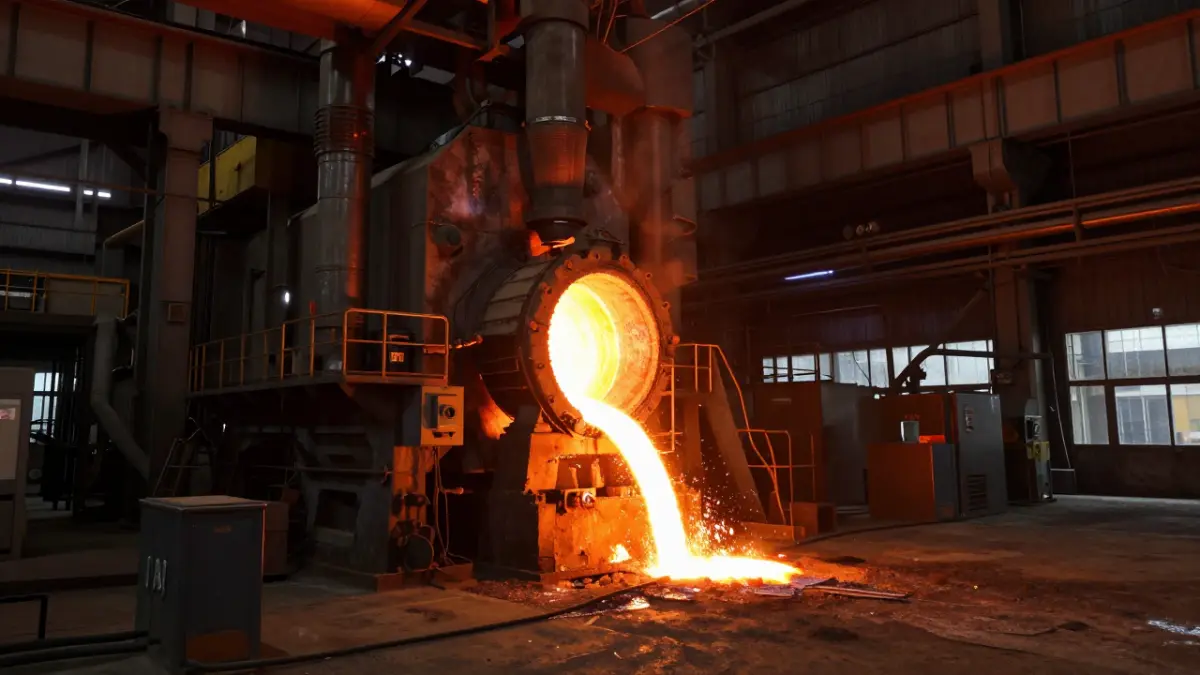
The Ladle Sequence: Deoxidation, Slag, and Alloying in the Right Order for Clean Steel
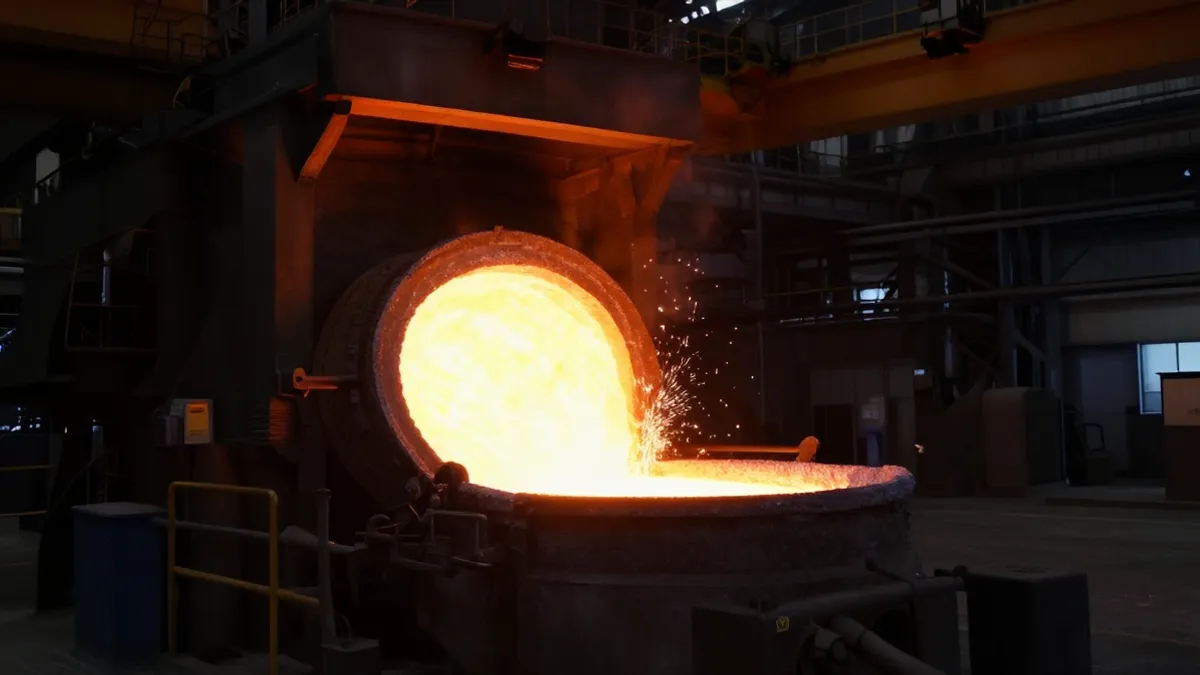
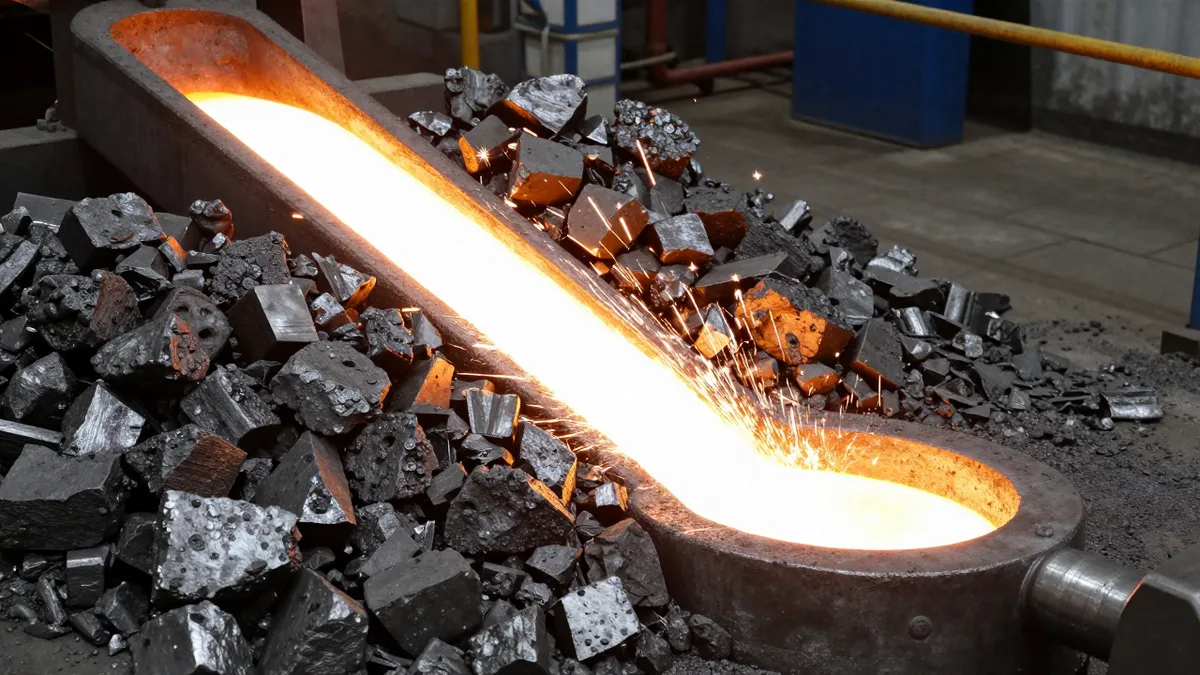
A heat tapped into a ladle is not finished steel — it is a process waiting to be completed. Between the moment tapping ends and the moment the heat reaches the caster, the steel passes through a defined sequence of operations, and each operation changes the conditions on which the next one depends: the oxygen potential, the slag chemistry, the temperature. Get the order wrong and the penalty shows up later, and is often hard to diagnose — as yield loss on the additions, as inclusions in the strand, as short temperature at the tundish. The skeleton of that sequence is the same across virtually all grades: initial deoxidation, slag establishment, the refining hold, the end-of-treatment additions, final analysis, and cast. What varies from grade to grade, and plant to plant, is how long the treatment dwells at each stage and what chemistry is brought to each stage. The plants that have written that sequence down and treat it as a procedure, rather than a set of individual additions, are the plants whose heats arrive at the caster predictably.
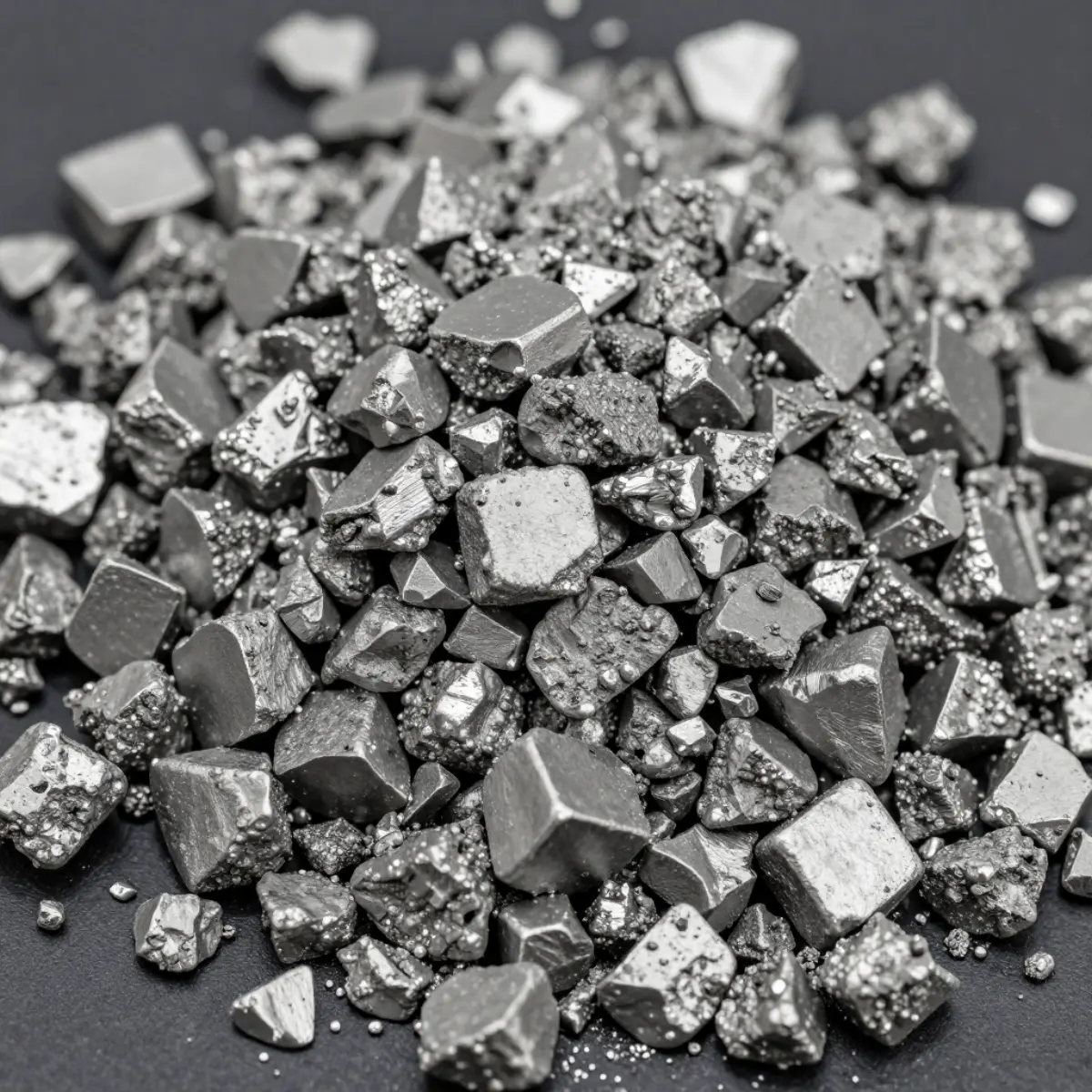
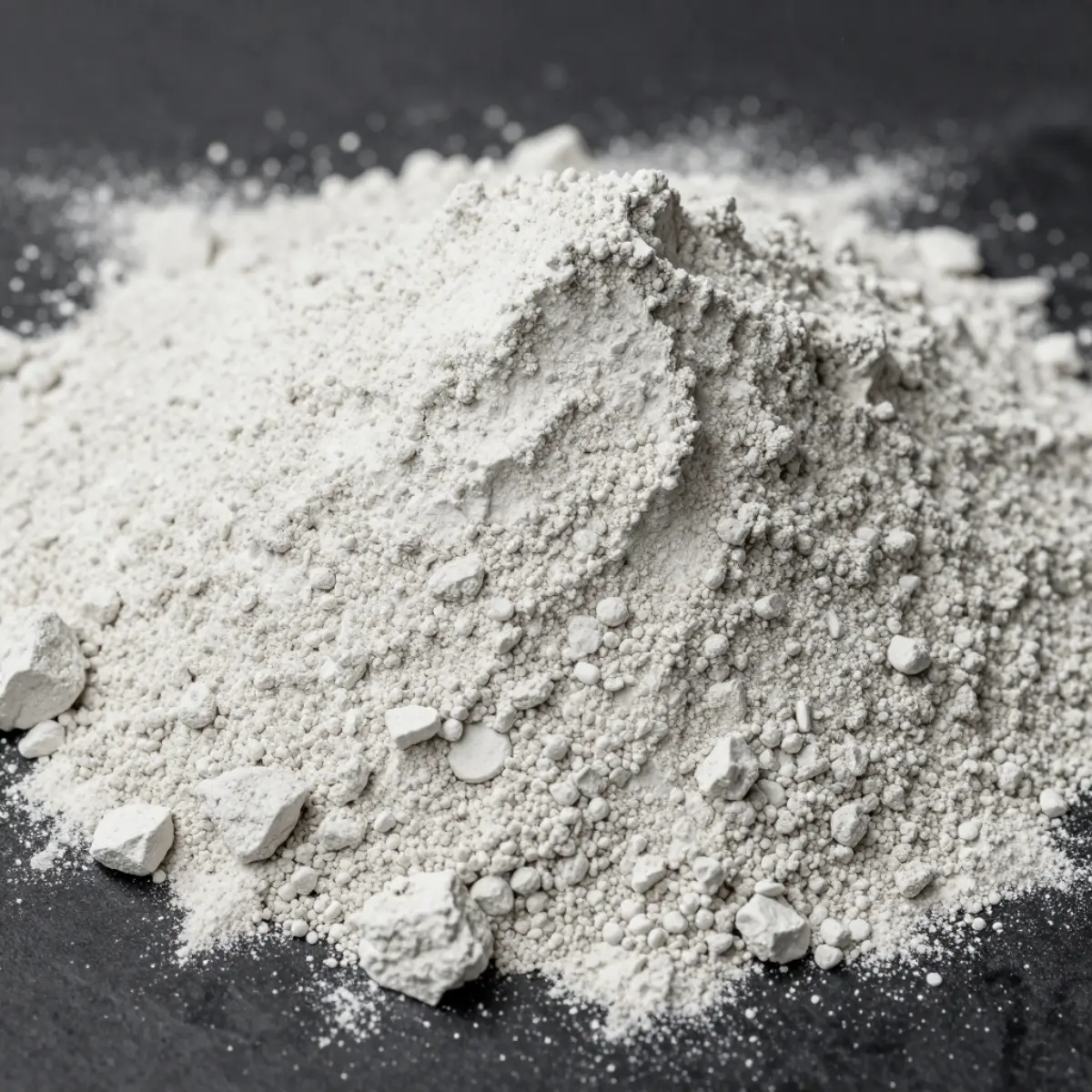
Deoxidation comes first, and the reason is thermodynamic, not customary. A heat tapping out of the converter or the EAF arrives oxidized, with an oxygen potential that makes desulfurization impossible. If the slag is established before the melt is deoxidized, the slag does not take sulfur out of the steel; it pushes oxygen back in as the charge dissolves, and the refining hold is spent undoing the deoxidation. That is why the deoxidation charge — ferrosilicon, a composite deoxidizer, or an aluminum-based route for grades that demand very low oxygen — goes in first, and why the slag builders, quicklime and pre-blended refined slag, follow immediately behind. Whether the charge is pre-placed in the ladle before tapping or added after is a plant decision, but the order — deoxidize first, build slag second — is not. The operator reads the result directly: FeO+MnO in the slag falling below about 1.0% is the tell that deoxidation has taken, and the slag now sits in the basicity band where it can work, the 2.0–3.5 range the treatment targets rather than a figure to maximize.
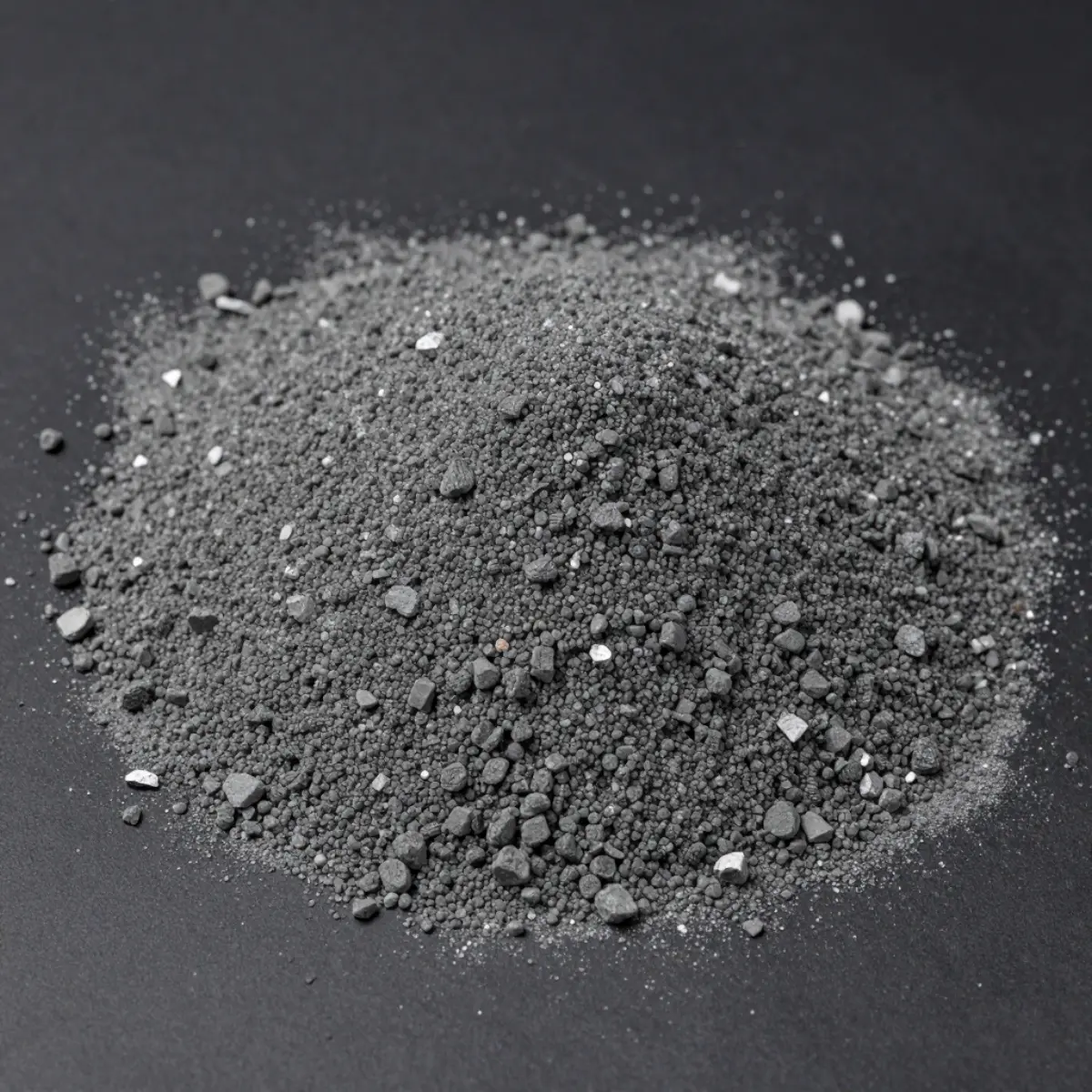
Once the slag is established and the steel is deoxidized, the treatment becomes a problem of time, intensity, and temperature. Bottom argon stirring keeps the slag–metal interface fresh, which is what drives both desulfurization and the absorption of inclusions out of the melt; the stronger the stirring, the faster the sulfur comes down — but the more heat is lost, the faster the refractory wears, and the higher the risk of slag entrainment, which is precisely what the treatment was trying to avoid. The ladle furnace runs against that heat loss to hold the cast temperature, and here the schedule matters as much as the chemistry: the temperature that leaves the ladle for the caster is set by the casting rhythm, not by the treatment recipe, and a heat held too long is a heat reheated and re-stirred. This is also where the covering agent earns its place. A continuous layer over the slag blocks air re-oxidation and slows the heat loss, and its value is greatest on the aluminum-killed grades, where re-oxidation of the freshly deoxidized steel is most vigorous and most expensive in inclusions.
The additions that define the final chemistry go in last, and the order within that final stage matters as much as its position. Balance alloys — ferromanganese, ferrochrome, ferromolybdenum, ferrovanadium, depending on the grade — are added after deoxidation and as the treatment approaches completion. The metallurgical reason is plain: these are reactive, high-value additions, and every minute they spend in an oxidizing environment is yield burned into the slag. The practical reason is just as real: a final sample taken after the additions shows the heat’s true chemistry, and a small trim can still be made before casting. Inclusion modification sits at the very end of the sequence. On aluminum-killed grades the calcium treatment is almost always delivered as cored wire, because the wire puts the calcium deep into the bath, protected and at a controlled rate — the recovery advantage over the bulk routes is exactly why the treatment is scheduled late and deep rather than early and quick.
Every step of the sequence leaves a number behind: the initial oxygen after deoxidation, the slag analysis at the start and end of treatment, the FeO+MnO trend, the final chemistry against target, the cast temperature. The plants that record these per heat can localize drift instead of guessing at it. A rising initial oxygen points upstream, at the converter practice or the deoxidation charge; a final chemistry that misses target points to addition timing and realized yield, not to the melt itself; a heat short on temperature at the tundish points to the hold, not to the furnace. And the same logic runs backward through the materials that make the sequence work. A procedure is only as repeatable as the lot-to-lot chemistry consistency of the deoxidizers and refined slag charged into it, which is the quiet part of what a standing supply arrangement sells: not a bag of alloy, but a process that behaves the same way heat after heat. The sequence is the recipe, the materials are its ingredients, and clean steel is what happens when both hold their chemistry.